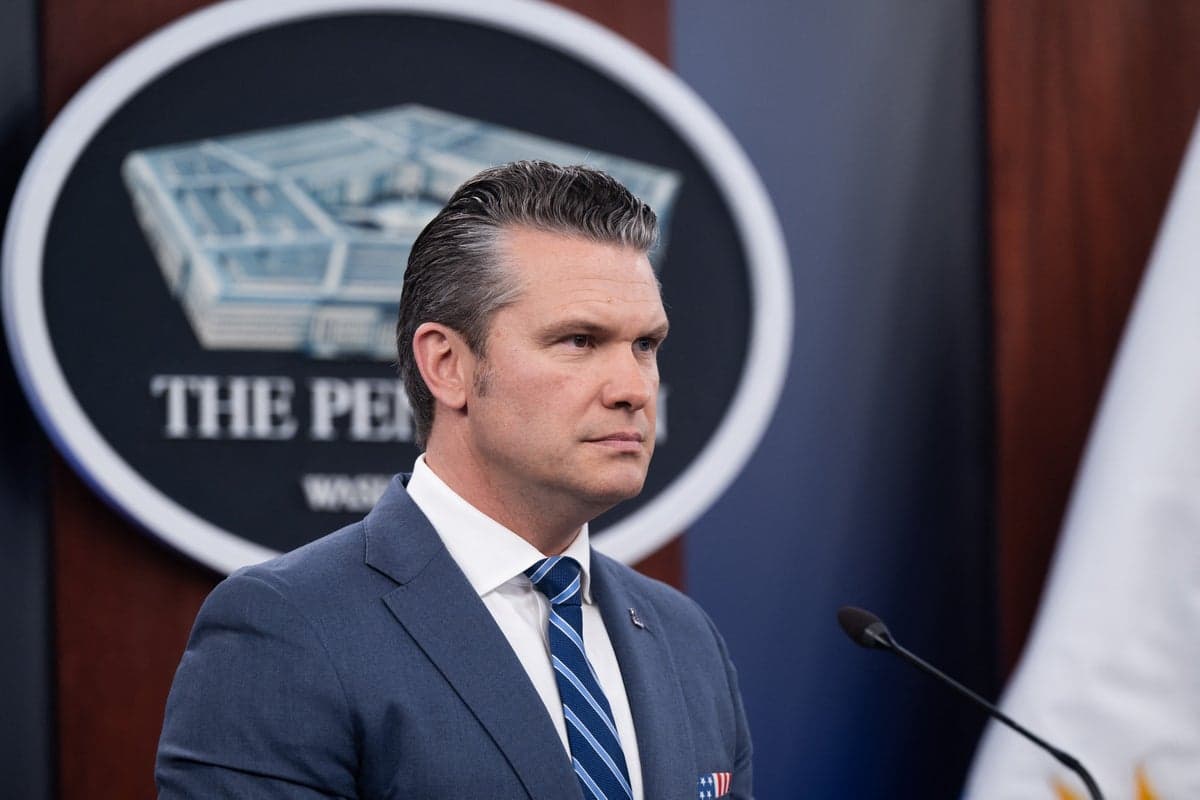
Hegseth Says U.S. Military No Longer Requires Flu Vaccination, Drawing Criticism From Health Experts
Why It Matters
Without universal flu vaccination, higher infection rates could undermine unit readiness and increase the Department of Defense’s healthcare expenditures, affecting national security.
Key Takeaways
- •Pentagon ends mandatory flu shots for all service members.
- •CDC estimates flu vaccine prevented 12,000 deaths last season.
- •Experts warn policy could increase illness and readiness gaps.
- •Potential rise in healthcare costs for the Department of Defense.
Pulse Analysis
The seasonal influenza virus remains a persistent health threat, especially in congregate settings such as military barracks, ships, and forward operating bases. Historically, the 1918 pandemic spread from U.S. soldiers to the civilian population, underscoring how quickly the disease can travel from a single unit to a nation. Modern epidemiology attributes the recent decline in flu‑related mortality to widespread vaccination; the CDC reports that the 2024‑2025 campaign averted roughly 12,000 deaths and 180,000 hospitalizations. For the armed forces, a healthy force translates directly into operational capability.
Secretary Hegseth’s decision to drop the mandatory flu shot aligns with a broader political trend of emphasizing individual choice over collective health mandates. However, the military’s mission‑critical environment differs from civilian life, where close‑quarters living and rapid deployment amplify transmission risks. Experts such as Brown University epidemiologist Jennifer Nuzzo argue that the policy could erode medical readiness, forcing commanders to contend with sudden spikes in sick‑call rates during peak flu weeks. The Department of Defense may also face higher treatment costs, as unvaccinated personnel are more likely to require antiviral therapy and hospitalization.
Stakeholders are already weighing mitigation strategies, from voluntary vaccination campaigns to enhanced surveillance and rapid‑response treatment kits. While the Pentagon can invoke alternative protective measures, the loss of a proven, low‑cost preventive tool may weaken the force’s resilience against not only influenza but also future respiratory threats. Policymakers and military leaders must balance personal liberty arguments with the strategic imperative of force protection. Continued dialogue with public‑health authorities will be essential to craft a solution that safeguards both individual rights and national security.
Hegseth says U.S. military no longer requires flu vaccination, drawing criticism from health experts
Comments
Want to join the conversation?
Loading comments...