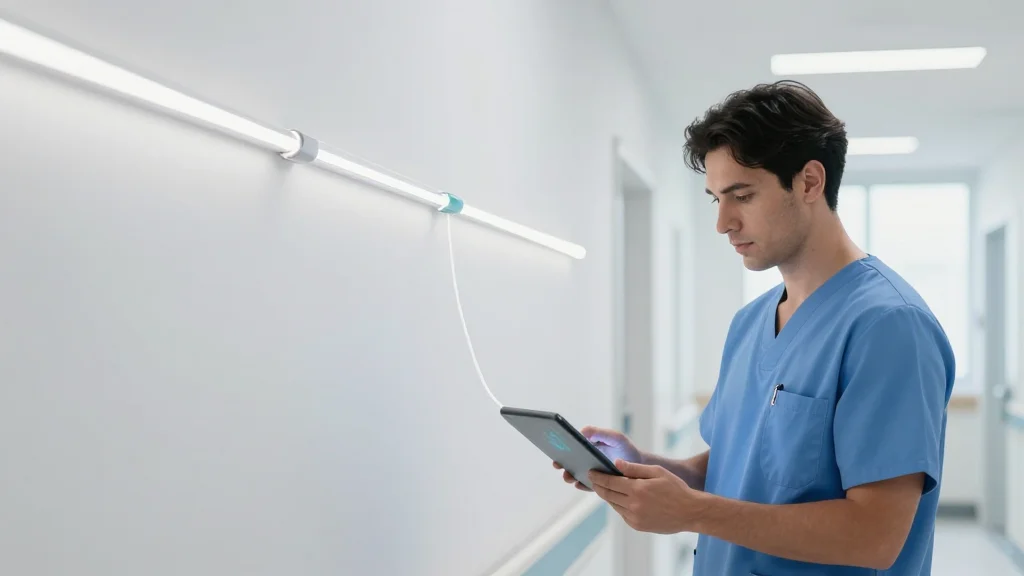
Helping Maintain Healthcare's Digital Connectivity Infrastructure
Why It Matters
Reliable digital infrastructure is critical for patient safety, telehealth scalability, and operational efficiency, making Verizon’s solution a strategic asset for hospitals navigating rapid technology adoption.
Key Takeaways
- •Verizon Business provides end‑to‑end network management for health systems
- •Supports mobile devices, wearables, and clinician workstations connectivity
- •Targets reduced downtime and higher telehealth reliability
- •Utilizes 5G and private LTE for secure patient data
- •Showcased at HIMSS26, highlighting digital health infrastructure trends
Pulse Analysis
Healthcare providers are grappling with an ever‑expanding web of connected devices, from bedside monitors to patient‑owned wearables. As data flows increase, network reliability becomes a linchpin for clinical workflows and remote care. Verizon Business is positioning itself as a partner that can simplify this complexity, offering centralized monitoring, automated provisioning, and security services that align with the stringent compliance requirements of the sector.
The technical backbone of Verizon’s offering leans heavily on 5G and private LTE spectra, delivering the low latency and high throughput essential for real‑time imaging, AI‑driven diagnostics, and seamless telehealth sessions. By extending edge computing capabilities to the hospital campus, the company reduces reliance on public internet pathways, mitigating latency spikes and safeguarding patient data against breaches. These advances translate into fewer dropped video calls, faster electronic health record access, and more reliable device interoperability.
At HIMSS26, Verizon used the platform to illustrate how robust connectivity can accelerate digital transformation across health systems. Industry leaders see this as a catalyst for broader adoption of remote monitoring, virtual consultations, and data‑centric care models. As reimbursement models continue to reward outcomes over volume, the ability to maintain uninterrupted, secure digital channels will increasingly differentiate competitive hospitals and health networks.
Helping maintain healthcare's digital connectivity infrastructure
Comments
Want to join the conversation?
Loading comments...