Hepatitis Vaccine Uptake Declining, Liver Disease Could Increase
Why It Matters
Reduced hepatitis B immunization threatens a rise in chronic liver disease, increasing long‑term health‑care costs and burden on clinicians.
Key Takeaways
- •HBV birth‑dose coverage dropped to 73.2% in 2025, down from 83.5% in 2023.
- •CDC’s revised recommendation limits universal HBV birth dose to risk‑based infants.
- •Pediatricians report rising vaccine hesitancy and more parents questioning schedules.
- •Declining uptake could seed a new wave of chronic hepatitis B.
- •Gastroenterology clinics urged to offer vaccines and use EHR prompts for catch‑up.
Pulse Analysis
The recent CDC policy shift, which moved hepatitis B vaccination from a universal birth‑dose to a risk‑based approach, has reignited a debate that began years ago about vaccine mandates and parental choice. While the court injunction temporarily restored the prior schedule, the damage to public confidence appears already evident in the 10‑percentage‑point drop in coverage between 2023 and 2025. This erosion mirrors broader trends in vaccine hesitancy fueled by misinformation, insurance concerns, and fragmented prenatal care, especially among underserved populations that historically rely on public health programs for immunizations.
Clinicians are now confronting a tangible rise in susceptible newborns and children, a demographic that historically benefits from early immunity that prevents chronic infection. Hepatitis B acquired in infancy carries a 90% chance of becoming lifelong, translating into decades of monitoring, antiviral therapy, and heightened risk of cirrhosis or hepatocellular carcinoma. The ripple effect extends to hepatitis A, where under‑immunized communities—particularly in the South and along the East Coast—face periodic food‑borne outbreaks. For health systems, the shift from preventive vaccination to treatment of liver disease will inflate costs, strain specialty services, and widen health disparities.
To counteract the trend, gastroenterologists, hepatologists, and pediatricians are being called to embed vaccination into specialty workflows. Electronic health‑record alerts, standing orders, and on‑site vaccine clinics can capture missed opportunities, especially in non‑integrated networks. Moreover, clinicians must leverage their trusted voice to deliver clear, evidence‑based recommendations and combat misinformation. Advocacy at the institutional and policy level remains critical, ensuring that future guidance aligns with public‑health goals rather than fragmented risk‑based models. By re‑establishing universal birth‑dose coverage, the health‑care community can avert a looming wave of chronic liver disease and preserve decades of cost‑effective prevention.
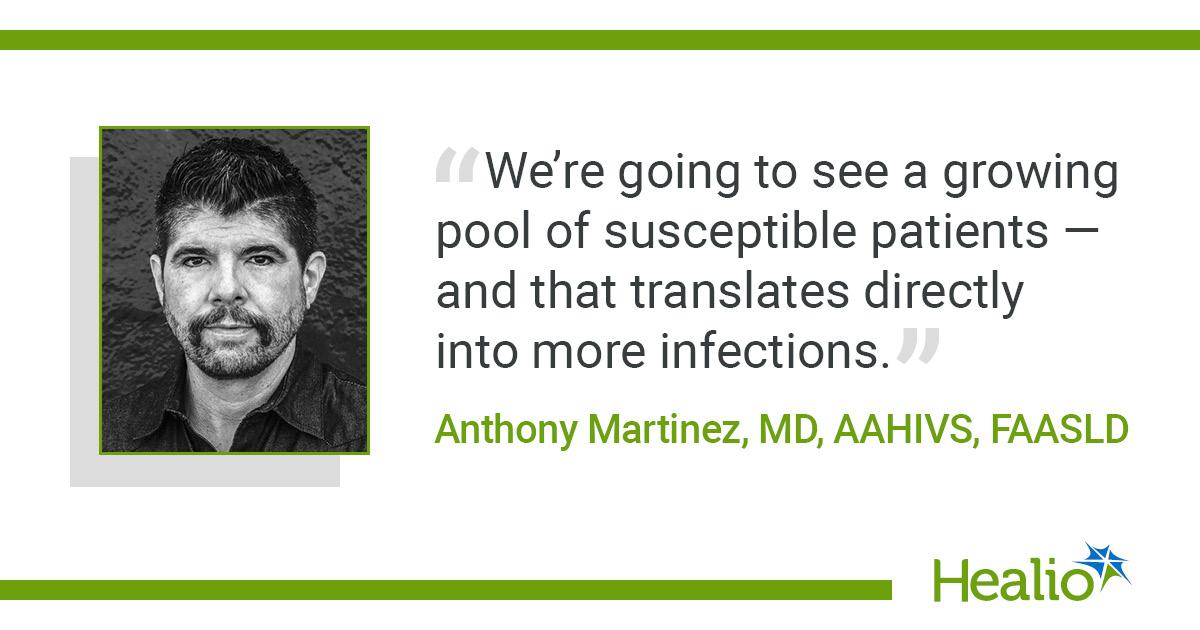
Hepatitis vaccine uptake declining, liver disease could increase
Comments
Want to join the conversation?
Loading comments...