High Resiliency Yielded Better Outcomes After ACL Reconstruction
Why It Matters
Understanding the role of patient resilience reshapes peri‑operative care, enabling providers to target psychological factors that materially affect recovery and resource utilization. This insight could improve outcomes while reducing follow‑up burdens for orthopedic practices.
Key Takeaways
- •High-resilience patients recover faster after ACL reconstruction
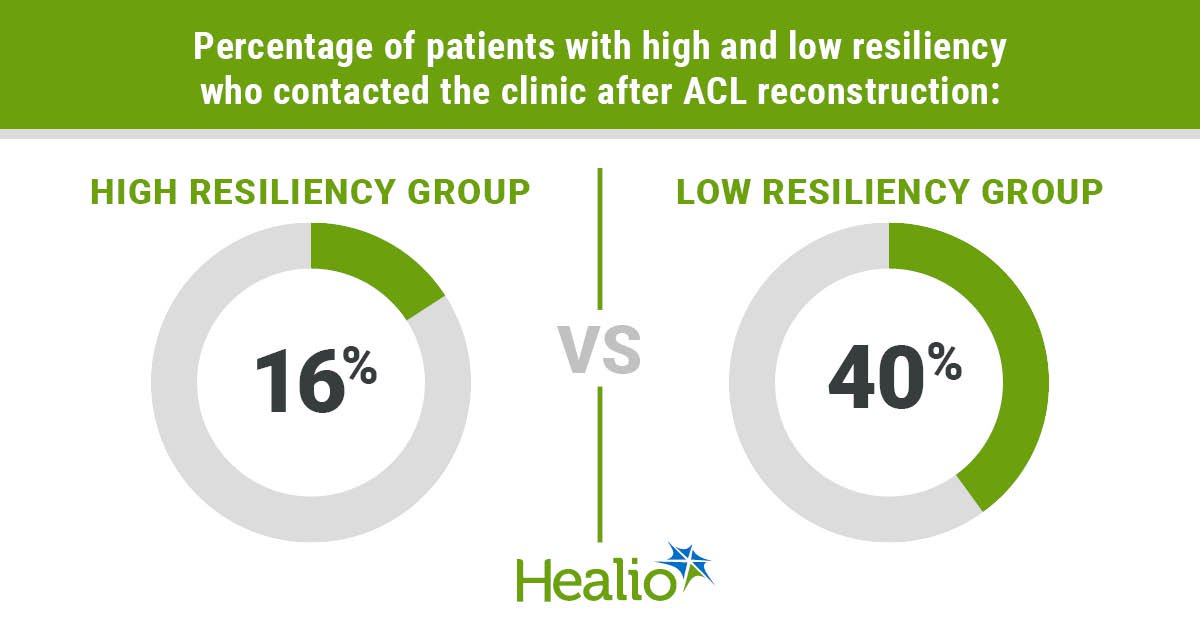
- •Low-resilience patients have twice the post‑op clinic contact rate
- •Education format (video vs. in‑person) did not affect satisfaction
- •Women under 35 reported higher dissatisfaction with peri‑operative information
- •Resilience predicts outcomes more than surgical technique variations
Pulse Analysis
The recent Arthroscopy Association of North America presentation highlights a paradigm shift in orthopedic care: psychological resilience may outweigh traditional surgical variables in determining ACL reconstruction success. While surgeons have long focused on graft choice, fixation methods, and rehabilitation protocols, this study underscores that a patient’s baseline mental fortitude—measured by the Brief Resilience Scale—correlates strongly with faster functional recovery and lower postoperative anxiety. Such findings align with broader sports‑medicine research linking mental health to injury outcomes, reinforcing the need for holistic pre‑operative assessments.
Clinicians can translate these insights into actionable strategies. Incorporating resilience screening into pre‑operative visits enables targeted interventions, such as counseling, stress‑management workshops, or tailored education for high‑risk individuals. Although the trial showed no satisfaction differences across video, in‑person, or standard education formats, the data suggest that merely delivering information is insufficient; the content must address emotional readiness. Orthopedic teams might partner with psychologists to develop resilience‑building programs, potentially reducing the observed 40% clinic‑contact rate among low‑resilience patients and freeing resources for other cases.
Future research will likely explore whether resilience can be enhanced pre‑operatively and how such improvements affect long‑term joint health. Longitudinal studies could track resilience trajectories post‑surgery, identifying critical windows for intervention. If resilience proves modifiable, insurers and health systems may invest in preventive mental‑health services as a cost‑effective means to boost surgical outcomes across orthopedics, setting a new standard that integrates physical and psychological care.
High resiliency yielded better outcomes after ACL reconstruction
Comments
Want to join the conversation?
Loading comments...