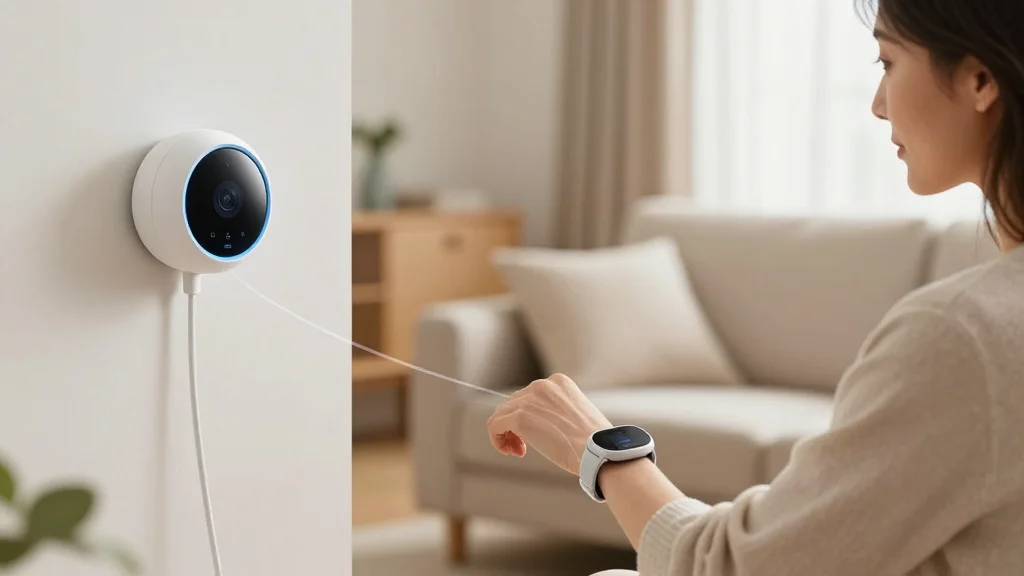
Home Sensor Technology in Social Care Reform: Moving From Potential to Practice at Scale in Tech-Enabled Care
Why It Matters
Home‑sensor technology could shift adult social care from reactive to preventive, easing pressure on overstretched services, yet systemic barriers risk leaving the potential unrealised.
Key Takeaways
- •Home sensors detect early health decline, reducing unnecessary visits.
- •Privacy concerns and anxiety limit adoption for some users.
- •Funding, workforce skills, and data silos impede scale‑up.
- •Integrated data gaps block cost‑effectiveness evaluation and long‑term investment.
Pulse Analysis
Adult social care in England faces rising demand, workforce shortages, and tighter budgets, prompting policymakers to explore tech‑enabled solutions such as home‑sensor monitoring. The NIHR‑funded DECIDE evaluation provides the first large‑scale, evidence‑rich look at how these sensors operate in real‑world social‑care pathways. By capturing metrics like night‑time waking, movement patterns, and hydration changes, sensors offer clinicians and carers early warnings that can prevent hospital admissions and reduce unnecessary domiciliary visits, aligning with the government's push for preventative, integrated care.
The evaluation highlighted uneven benefits. While many participants reported improved peace of mind and more objective care assessments, privacy concerns and heightened anxiety—especially among those with mental‑health conditions—curtailed acceptance. Moreover, successful deployment demands a skilled workforce capable of interpreting data, and informal carers must be ready to act on alerts. Funding constraints, fragmented digital infrastructure, and the need for dedicated TEC leads further complicate scaling efforts, underscoring the importance of coordinated health‑social care teams.
Policy implications are clear: national guidance must standardise workflow design, data governance, and safeguarding for sensor‑enabled pathways, while establishing a minimum dataset to enable robust economic evaluation. Embedding digital competencies into Skills for Care frameworks, creating multi‑year co‑funded commissioning models, and launching regional data‑integration pilots will address the current gaps. With these measures, home‑sensor technology can move from pilot projects to a sustainable component of proactive, community‑based care, delivering both cost savings and better outcomes for vulnerable adults.
Home sensor technology in social care reform: Moving from potential to practice at scale in tech-enabled care
Comments
Want to join the conversation?
Loading comments...