Hook Plugs Help Rescue Intrascleral Secondary IOL Fixation
•March 9, 2026
0
Why It Matters
Securing the haptic eliminates a common failure point in secondary IOL surgery, directly reducing postoperative complications and improving visual outcomes for patients lacking posterior capsule support.
Key Takeaways
- •Iris‑hook plug secures IOL haptic during intrascleral fixation
- •Procedure uses 26‑gauge needle and bisected plug
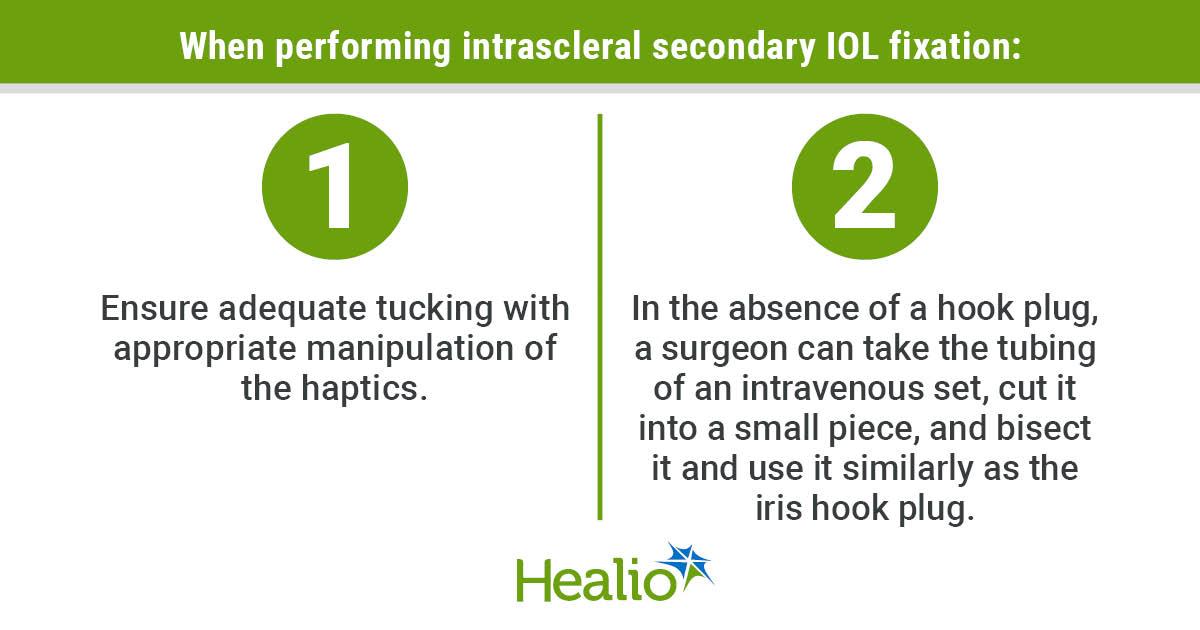
- •IV tubing can substitute when hook plug unavailable
- •Technique compatible with glued IOL and Yamane methods
- •Reduces risk of postoperative IOL drop
Pulse Analysis
Secondary intraocular lens (IOL) implantation is often the last resort for patients with insufficient capsular support, yet the procedure is fraught with technical hurdles. The haptic, which anchors the lens, must remain stable throughout manipulation; any slippage can precipitate lens migration, retinal injury, or the need for re‑operation. Traditional methods rely on sutures or complex flanging techniques, each with its own learning curve and equipment demands. By focusing on haptic stabilization, surgeons address the root cause of many intra‑operative failures, paving the way for safer outcomes.
The hook‑plug technique introduced by Agarwal and Narang leverages readily available ophthalmic tools. A standard iris‑hook is bisected, placed on a 26‑gauge needle, and the IOL haptic is threaded through the needle barrel. The plug is then slid onto the haptic, creating a firm grip that resists displacement during subsequent maneuvers. When iris‑hook plugs are scarce, a trimmed segment of intravenous tubing mimics the same function, ensuring the method’s accessibility across diverse surgical settings. This simplicity reduces procedural time and eliminates the need for specialized devices, making it attractive for high‑volume cataract centers.
Adoption of this technique could shift industry standards for secondary IOL fixation. By lowering complication rates, it enhances patient confidence and may decrease liability for ophthalmic practices. Moreover, the method aligns with the growing trend toward minimally invasive, instrument‑light solutions that streamline operating room logistics. As surgeons incorporate the hook‑plug approach into glued IOL and Yamane protocols, manufacturers may respond with dedicated, pre‑shaped plugs, further optimizing the workflow. Ultimately, the innovation underscores how modest procedural tweaks can deliver outsized gains in safety and efficiency within ocular surgery.
Hook plugs help rescue intrascleral secondary IOL fixation
0
Comments
Want to join the conversation?
Loading comments...