Hormonal Contraception May Increase Complications After ACL Surgery
Why It Matters
The findings highlight a modifiable risk factor that could influence peri‑operative protocols and reduce costly postoperative complications for a large patient population.
Key Takeaways
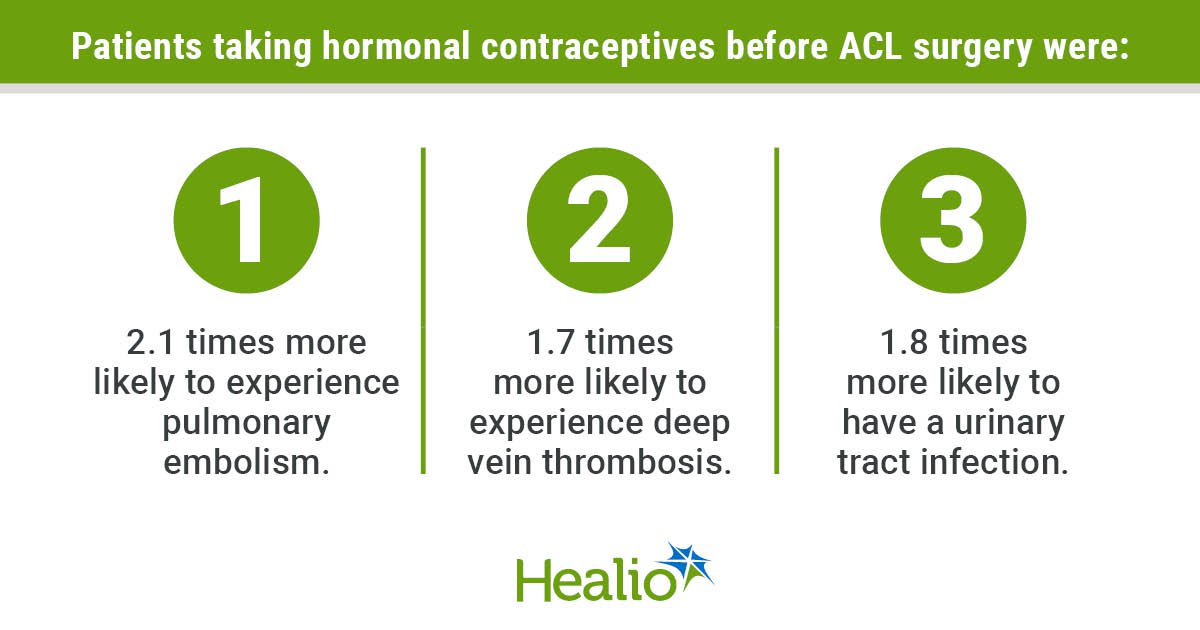
- •Hormonal contraceptives raise pulmonary embolism risk 2.1‑fold after ACL surgery
- •Deep‑vein thrombosis risk increases 1.7‑fold for patients on contraception
- •Urinary‑tract infection odds rise 1.8‑fold in the same cohort
- •Emergency‑department visits within 90 days are higher for contraceptive users
Pulse Analysis
The AAOS‑presented study leveraged more than a decade of real‑world data from the TriNetX network, comparing over 10,000 ACL reconstructions in women who had taken hormonal contraception shortly before surgery with a propensity‑matched cohort. By focusing on a 90‑day postoperative window, the researchers captured acute events such as venous thromboembolism, urinary‑tract infection, and early knee complications. The elevated odds ratios—particularly the 2.1‑fold increase in pulmonary embolism—signal a biologically plausible interaction between estrogen‑based therapies and the hypercoagulable state induced by surgical trauma.
For orthopedic surgeons and sports medicine clinicians, the data suggest a practical pre‑operative checklist item: reviewing a patient’s contraceptive regimen. Temporary cessation of combined oral contraceptives, or switching to non‑estrogenic methods, could mitigate clotting risk, especially when paired with standard thromboprophylaxis protocols. Moreover, heightened vigilance for infection signs and early knee stiffness may prompt timely interventions, potentially curbing readmissions and preserving functional outcomes.
Beyond the operating room, the study underscores a broader intersection of women’s health and orthopedic care. As hormonal contraception remains widely used, integrating multidisciplinary guidance—from primary care, gynecology, and anesthesia—can refine risk stratification and shared decision‑making. Future prospective trials are needed to confirm causality and to develop evidence‑based guidelines that balance contraceptive benefits with surgical safety, ultimately reducing healthcare costs tied to emergency visits and complication management.
Hormonal contraception may increase complications after ACL surgery
Comments
Want to join the conversation?
Loading comments...