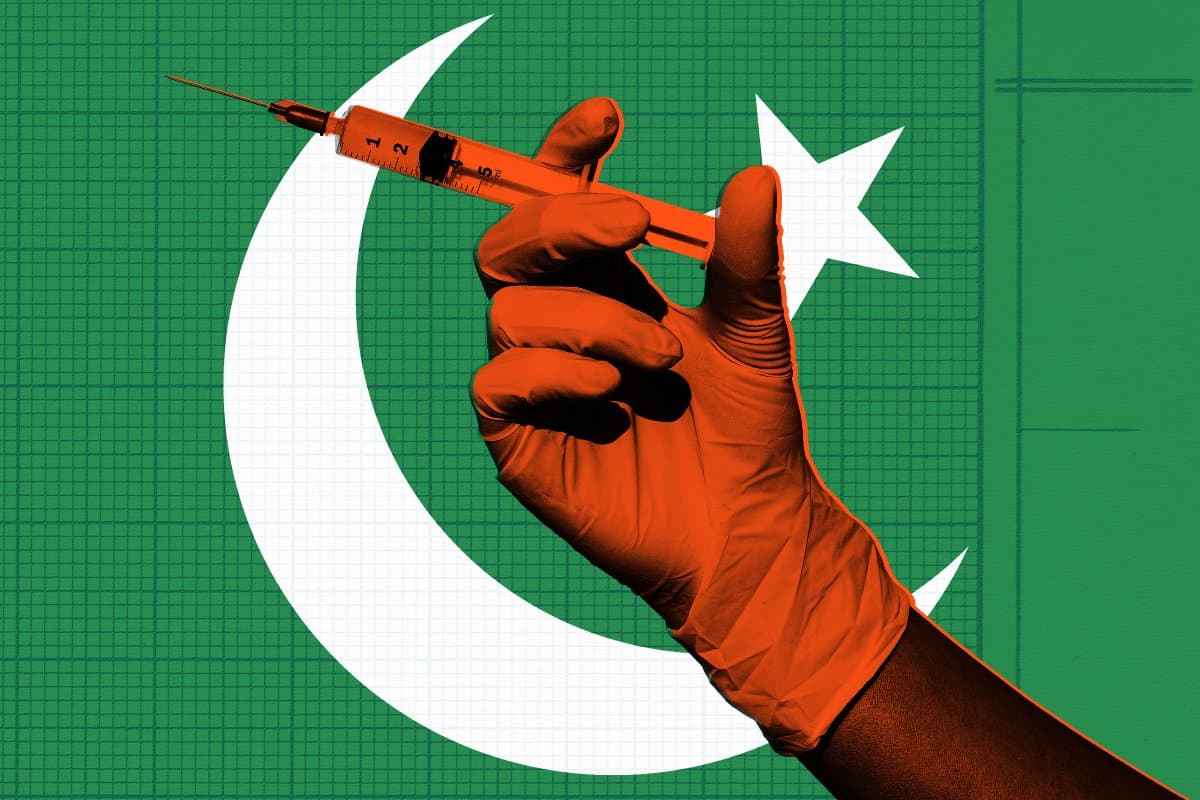
Hospital Reuses Syringes, Infects Hundreds of Children With HIV

Why It Matters
The outbreak exposes critical gaps in patient safety and regulatory oversight, threatening public trust and imposing lifelong treatment costs on hundreds of children. It underscores the urgent need for stricter infection‑control enforcement in low‑resource health systems.
Key Takeaways
- •331 children infected with HIV at THQ Taunsa Sharif hospital.
- •Reused syringes contaminated multi‑dose vials, spreading virus.
- •BBC investigation captured ten reuse incidents in 32‑hour undercover footage.
- •Hospital officials deny allegations, despite prior administrator dismissal.
- •Potential public‑health crisis demands urgent regulatory and safety reforms.
Pulse Analysis
The taunsa hospital episode is a stark reminder that basic injection safety protocols remain fragile in many low‑ and middle‑income settings. Reusing syringes, even with a new needle, can contaminate the syringe barrel and any shared medication vial, creating a direct conduit for blood‑borne pathogens like HIV. While the World Health Organization has long advocated for single‑use devices and safe‑injection training, implementation gaps persist, especially in overstretched public hospitals where cost pressures and supply shortages can tempt shortcuts.
Beyond the immediate health tragedy, the incident carries massive economic and social repercussions. Each newly infected child will require lifelong antiretroviral therapy, averaging $500‑$800 per year in treatment costs, translating into a multi‑million‑dollar burden for families and the Pakistani health budget. Moreover, the loss of confidence in public health facilities can drive patients toward unregulated private providers, potentially worsening health inequities. The episode also raises legal and ethical questions about accountability, as hospital leadership’s denial clashes with documented evidence, complicating any remedial action.
Internationally, the case reinforces the role of investigative journalism and civil‑society watchdogs in exposing systemic failures. It also prompts donors and global health agencies to reassess funding earmarks for infection‑control supplies and training. Strengthening regulatory frameworks, mandating routine audits, and deploying rapid‑response teams to investigate alleged breaches could prevent similar outbreaks. Ultimately, safeguarding injection practices is not just a clinical imperative but a cornerstone of public‑health resilience in the face of emerging infectious threats.
Hospital Reuses Syringes, Infects Hundreds of Children With HIV
Comments
Want to join the conversation?
Loading comments...