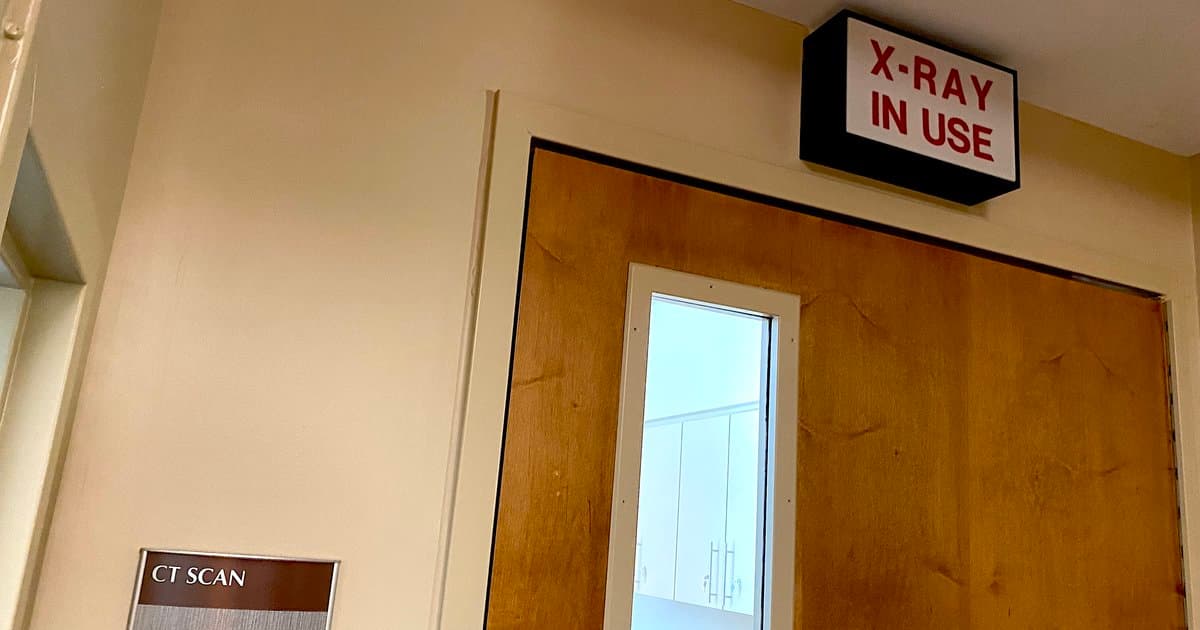
Hospital's Poor Radiation Safety Protocols Led to Cancer 'Cluster' Among Staff, Rad Tech Claims
Why It Matters
The lawsuit underscores legal and reputational risks for hospitals deploying advanced imaging equipment without robust safety oversight, potentially prompting stricter global regulatory scrutiny.
Key Takeaways
- •Former UMMC technologist sues over alleged radiation safety failures
- •Claims involve lymphoma and multiple cancer cases after PET scanner installation
- •Regulators reported radiation levels within acceptable limits, no proven causation
- •Lawsuit may drive tighter safety protocols and oversight in medical imaging
Pulse Analysis
Radiation safety is a cornerstone of modern hospital operations, especially as high‑dose modalities like PET scanners become commonplace. International guidelines—from the International Atomic Energy Agency to national health ministries—mandate strict shielding, exposure monitoring, and staff training to keep doses well below occupational limits. When a facility upgrades its imaging suite, it must reassess workflow, conduct baseline surveys, and implement engineering controls to prevent inadvertent exposure. Failure to do so not only endangers staff health but also erodes trust in the institution's commitment to patient and employee safety.
The UMMC case brings these obligations into sharp focus. Fauzia Abdul Razak, a former radiologic technologist, alleges that the hospital ignored standard operating procedures, leading to her lymphoma diagnosis and a series of other cancers among coworkers. Her lawsuit cites over $25,000 in personal medical costs and claims a duty of care owed by the hospital, the Ministry of Health, and licensing bodies. While Malaysia’s Atomic Energy Licensing Board and the Medical Radiation Regulatory Division reported radiation levels within permissible ranges, the absence of a proven causal link does not diminish the perceived negligence. Legal experts argue that duty of care extends beyond measured exposure, encompassing proactive risk assessments and transparent reporting.
Industry observers warn that the litigation could trigger a wave of regulatory tightening worldwide. Hospitals may face heightened inspections, mandatory dose‑audit logs, and stricter penalties for non‑compliance. Equipment manufacturers could be pressured to embed real‑time monitoring sensors into new scanners, while insurers might raise premiums for facilities with documented safety lapses. For investors and healthcare executives, the case serves as a reminder that robust radiation safety programs are not just clinical necessities but also essential components of risk management and brand reputation.
Hospital's poor radiation safety protocols led to cancer 'cluster' among staff, rad tech claims
Comments
Want to join the conversation?
Loading comments...