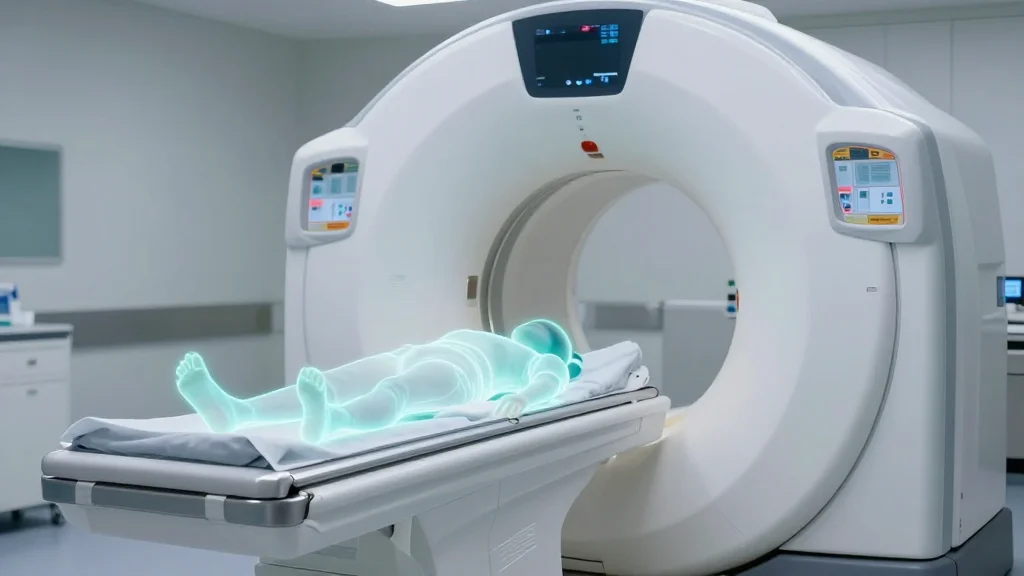
How Advances in Nuclear Medicine Are Changing Patient Care
Why It Matters
These innovations boost diagnostic accuracy, shorten treatment timelines, and enhance patient outcomes, positioning nuclear medicine as a growth engine in precision healthcare.
Key Takeaways
- •New PET/SPECT scanners cut scan time by up to 50%
- •Radiation doses reduced through advanced detector technology
- •Theranostic radiopharmaceuticals target tumors with minimal side effects
- •Hybrid imaging improves diagnostic accuracy for early disease detection
- •Streamlined workflows accelerate result delivery and patient communication
Pulse Analysis
The latest generation of PET and SPECT scanners leverages solid‑state detectors and AI‑enhanced reconstruction algorithms to produce high‑resolution images in a fraction of the time required by legacy equipment. By lowering radiation exposure and shortening appointments, these systems improve patient comfort and expand access to advanced imaging in community hospitals. Hybrid platforms that fuse PET with CT or MRI further sharpen diagnostic confidence, allowing clinicians to spot pathology at earlier stages and tailor interventions more precisely.
Parallel to imaging upgrades, the rise of theranostics is redefining treatment paradigms. Radiopharmaceuticals such as lutetium‑177‑dotatate and prostate‑specific membrane antigen (PSMA) ligands bind directly to malignant cells, delivering therapeutic radiation while sparing healthy tissue. This targeted approach not only curtails side effects but also generates real‑time dosimetry data, enabling physicians to adjust dosing on an individual basis. Integrated software solutions now automate dose calculations and streamline regulatory reporting, reducing administrative burden and fostering faster therapeutic cycles.
For healthcare providers, these technological strides translate into operational efficiencies and competitive advantage. Faster scans free up scanner slots, increasing throughput and revenue potential, while automated workflows cut turnaround times for results, enhancing patient satisfaction and trust. The demand for skilled nuclear medicine technologists familiar with cutting‑edge equipment is rising, prompting academic programs to revamp curricula with hands‑on training and safety protocols. As the industry continues to converge on precision diagnostics and personalized therapy, investors and policymakers alike are watching nuclear medicine as a pivotal driver of next‑generation health care.
How Advances in Nuclear Medicine Are Changing Patient Care
Comments
Want to join the conversation?
Loading comments...