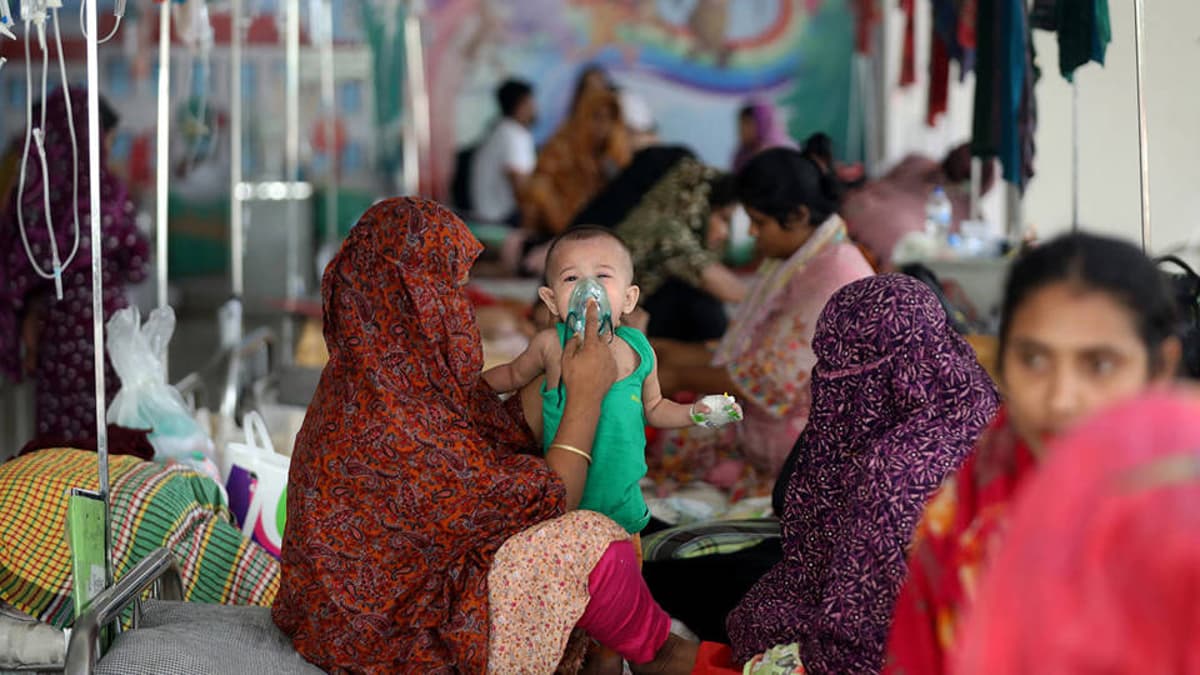
How Measles Came Roaring Back
Companies Mentioned
Why It Matters
The resurgence highlights how fragile herd immunity is when health financing, supply chains, and public trust deteriorate, threatening progress in low‑income nations and prompting global donors to reassess support strategies.
Key Takeaways
- •Bangladesh's measles coverage fell below the 95% herd‑immunity threshold
- •Supply‑chain reforms missed the urgent need for mass immunization campaigns
- •COVID‑19 disruptions amplified vaccine hesitancy and dropout rates
- •Emergency MR campaign targets 1.2 million children in 18 high‑risk districts
Pulse Analysis
Bangladesh’s measles crisis underscores a broader global trend: even countries that achieved impressive immunization gains can quickly backslide when systemic support erodes. After scaling routine vaccination from 2% to over 80% in the early 2000s, the nation’s health budget slipped from 1.1% to 0.8% of GDP, leaving facilities understaffed and out‑of‑pocket costs high. These fiscal constraints, combined with fragmented procurement reforms, created supply‑side bottlenecks that left millions of children under‑protected, especially in informal urban settlements and remote districts.
Demand‑side challenges proved equally damaging. The COVID‑19 pandemic disrupted routine services, fueled vaccine fatigue, and spread misinformation, leading to a notable rise in zero‑dose children—now 1.1% of the pediatric population. Dropout between the first and second measles‑rubella doses widened, pushing overall coverage estimates down to 80‑86% in some surveys, well below the 95% threshold needed for herd immunity. The resulting immunity gaps allowed the virus to spread rapidly, producing over 62,000 suspected cases and more than 500 deaths in 2025‑26.
The emergency response, a mass MR vaccination drive covering 1.2 million children across 18 districts, reflects urgent mitigation but also highlights the cost of delayed action. International partners, including UNICEF, WHO, and Gavi, must prioritize sustained financing and community‑engaged outreach to rebuild trust and close coverage gaps. Bangladesh’s experience serves as a cautionary tale for other low‑income nations: maintaining herd immunity demands continuous investment, resilient supply chains, and proactive demand‑generation strategies, lest past successes be swiftly undone.
How Measles Came Roaring Back
Comments
Want to join the conversation?
Loading comments...