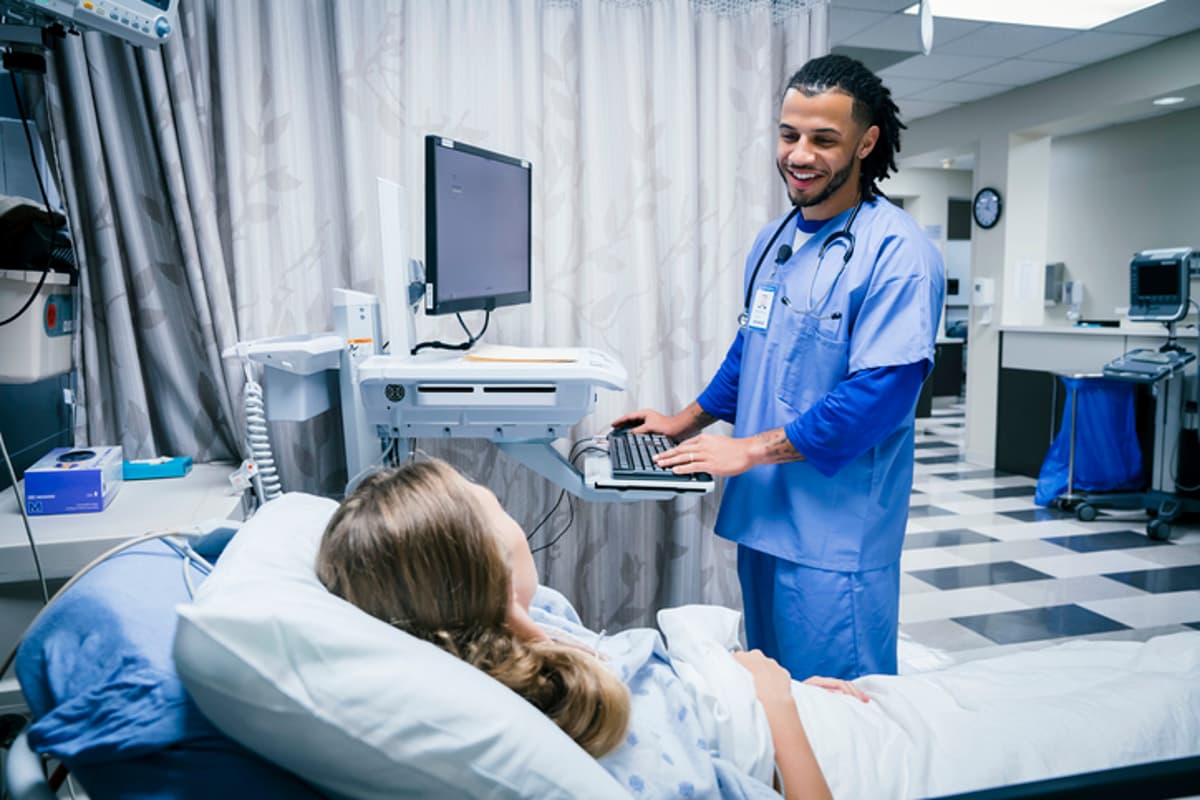
How Team-Based and Virtual Nursing Models Are Redefining Care Delivery
Companies Mentioned
Why It Matters
These models sustain the nursing profession by reducing burnout and improve clinical outcomes, positioning health systems for competitive advantage in a strained talent market.
Key Takeaways
- •Team-based models shift tasks to LPNs, NAs, and virtual nurses
- •Virtual nurses manage admissions, documentation, and patient education remotely
- •Early adopters see higher nurse retention and improved patient satisfaction
- •Data-driven rollouts target high-turnover units and documentation bottlenecks
- •Empowered skill mix lets RNs practice at the top of their license
Pulse Analysis
The United States faces a perfect storm of nursing shortages, escalating patient complexity, and mounting burnout, prompting health systems to rethink legacy staffing structures. While AI and digital tools promise efficiency, they cannot replace human capacity gaps; instead, they amplify the need for flexible, collaborative care teams. By reconfiguring the skill mix—pairing registered nurses with LPNs, nursing assistants, and remote clinicians—organizations create a layered safety net that addresses both clinical and administrative burdens, allowing RNs to operate at the top of their license.
Team‑based and virtual nursing models have moved beyond experimental pilots in acute‑care settings, delivering tangible outcomes. Virtual nurses now join rounds, triage patient requests, and handle documentation from centralized hubs, freeing bedside staff for direct care. Early data show reduced turnover rates, higher patient satisfaction scores, and smoother discharge processes. The hybrid approach also supports early‑career nurses, who benefit from real‑time mentorship and shared responsibility, fostering confidence and professional growth.
Scaling these innovations requires disciplined leadership. Successful rollouts start with granular workforce analytics to pinpoint high‑turnover units and documentation bottlenecks. Engaging frontline nurses in design ensures workflows are realistic and adoption is swift. Continuous measurement of clinical metrics—such as fall rates and readmissions—alongside workforce indicators like engagement and burnout, validates impact and guides iterative improvement. As more systems embed these models, the nursing profession can transition from survival mode to a sustainable, high‑performance future.
How Team-Based and Virtual Nursing Models Are Redefining Care Delivery
Comments
Want to join the conversation?
Loading comments...