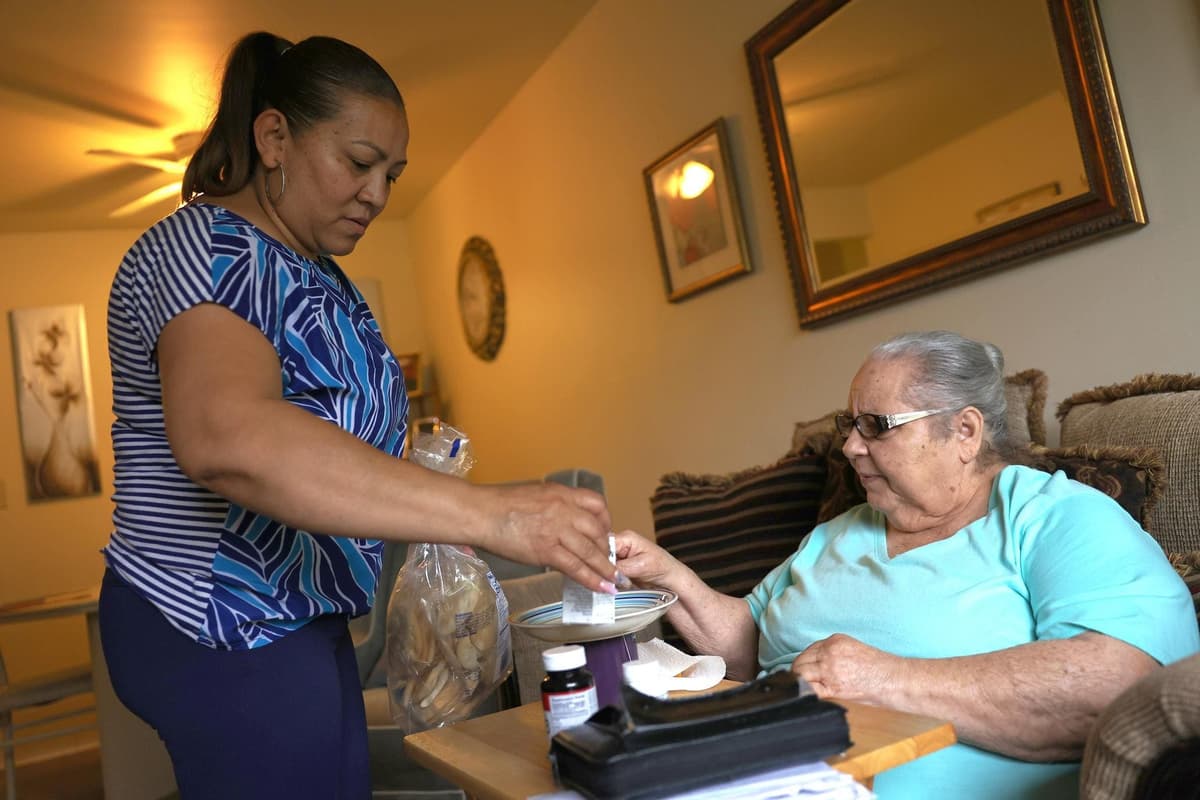
How The Trump Administration Is Blocking Access To Home Care
Why It Matters
Reduced caregiver supply and Medicaid funding directly raise out‑of‑pocket costs and limit access to home care, undermining the policy goal of expanding consumer choice for seniors and disabled individuals.
Key Takeaways
- •Medicaid cuts total over $1 trillion in the next decade
- •Immigration restrictions shrink home‑care workforce, previously one‑third immigrant
- •Family out‑of‑pocket cost rises to $35/hour for agency aides
- •Work eligibility checks could strip 4.9‑10.1 million people of Medicaid
- •CMS fraud probes target $259 million in payments, but only 6% improper
Pulse Analysis
The Trump administration’s dual strategy of tightening immigration and reshaping Medicaid creates a perfect storm for home‑based care. By targeting foreign‑born workers—who once comprised roughly a third of direct‑care staff—the White House has deepened an already‑fragile labor market. Agencies report longer hiring cycles and higher wages, pushing average hourly rates to $35, a steep rise that many families cannot absorb. Simultaneously, the 2024 budget bill initiates more than $1 trillion in Medicaid reductions over ten years, adds bi‑annual eligibility checks, and imposes new work requirements that could disenroll up to 10 million beneficiaries by 2028.
These policy moves reverberate through the Medicaid financing structure, where the federal government shoulders about two‑thirds of the $900 billion annual spend. By withholding or demanding repayment of hundreds of millions in federal payments—$500 million threatened in Minnesota and $259 million under review in New York—the administration pressures states to tighten their home‑ and community‑based services (HCBS) programs. While fraud accounts for roughly 6% of improper payments, the aggressive investigations risk collateral damage to legitimate home‑care providers, further constraining supply and driving costs upward.
For seniors and people with disabilities, the fallout is stark: higher out‑of‑pocket expenses, reduced access to preferred home settings, and the looming possibility of being forced into institutional care. Policymakers and advocacy groups are urging a recalibration that balances fraud prevention with the need to preserve a robust HCBS ecosystem. Without such adjustments, the promise of consumer choice in long‑term care may remain an unattainable slogan, leaving millions without the support they need to age in place.
How The Trump Administration Is Blocking Access To Home Care
Comments
Want to join the conversation?
Loading comments...