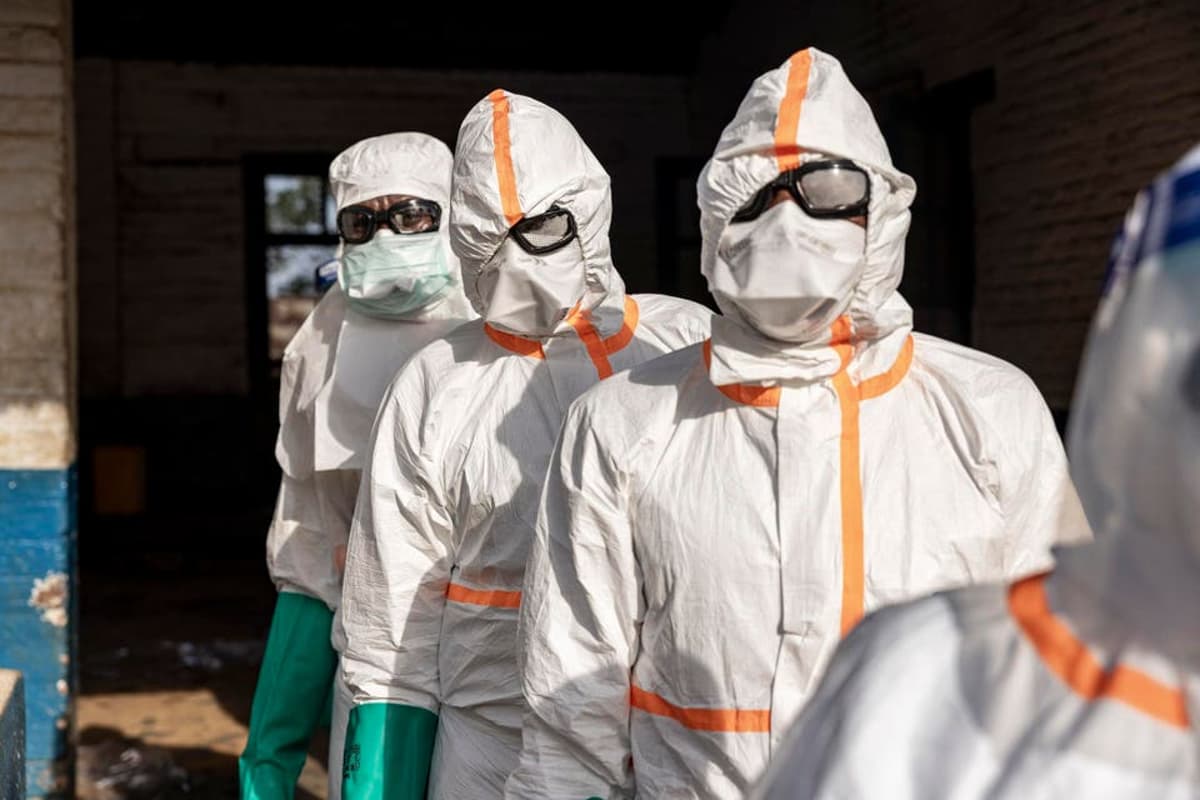
How The U.S. Response To Ebola Shows Failures On Lessons From COVID-19
Why It Matters
Reactive funding spikes cost far more than steady investment in surveillance and vaccine infrastructure, jeopardizing both global health security and U.S. economic interests.
Key Takeaways
- •WHO declared DRC Ebola outbreak a public health emergency
- •Over 100 confirmed deaths reported in Ituri province
- •U.S. cuts to USAID reduced early surveillance capacity in Africa
- •U.S. now pledges $200 million after outbreak escalated
- •Withdrawal from WHO hampers global coordination and early alerts
Pulse Analysis
The 2026 Ebola flare‑up in the DRC underscores how quickly a localized hemorrhagic fever can become a regional crisis. With more than 100 confirmed fatalities, the outbreak has strained already fragile health systems in Ituri, a province marked by displacement and conflict. While Ebola’s transmission dynamics differ from COVID‑19, the economic calculus is similar: delayed action inflates costs, from emergency medical supplies to disrupted trade routes, far exceeding the modest budgets required for early detection and laboratory capacity.
U.S. policy choices have amplified the problem. Budgetary reductions to USAID over the past few years trimmed critical investments in African disease‑surveillance networks and training for epidemiologists—resources that could have identified the Bundibugyo virus sooner. The decision to withdraw from the World Health Organization further erodes real‑time intelligence sharing, slowing the deployment of diagnostic kits and contact‑tracing protocols. In contrast, nations that maintained robust partnerships with WHO, such as South Korea during COVID‑19, were able to scale testing rapidly and contain spread more effectively.
The broader lesson is clear: proactive funding for global health infrastructure yields high returns by averting larger humanitarian and economic fallout. Strengthening laboratory hubs, expanding cross‑border surveillance, and re‑engaging with multilateral health bodies would not only protect vulnerable populations abroad but also safeguard U.S. borders against future pandemics. Investing a fraction of the trillions spent on reactive measures now could preserve lives and reduce long‑term fiscal exposure.
How The U.S. Response To Ebola Shows Failures On Lessons From COVID-19
Comments
Want to join the conversation?
Loading comments...