How to Encourage Deceased Organ Donation
Why It Matters
Boosting deceased donor rates can save thousands of lives while lowering overall healthcare expenditures, making transplantation more attainable in low‑income regions.
Key Takeaways
- •Tunisia used doctor-led awareness sessions to boost donor registration
- •Simple education outperformed complex legal reforms in donor consent rates
- •Cultural fears remain primary barrier to deceased organ donation in developing nations
- •Replicable model offers low-cost pathway for other low‑income countries
Pulse Analysis
Organ shortages remain a critical public‑health crisis, especially in developing economies where thousands die each year awaiting transplants. While high‑cost surgical infrastructure and expensive immunosuppressants are often cited as obstacles, the underlying issue is frequently a scarcity of willing donors. Cultural misconceptions, mistrust of medical systems, and lack of transparent information compound the problem, creating a self‑reinforcing cycle of scarcity that hampers life‑saving procedures.
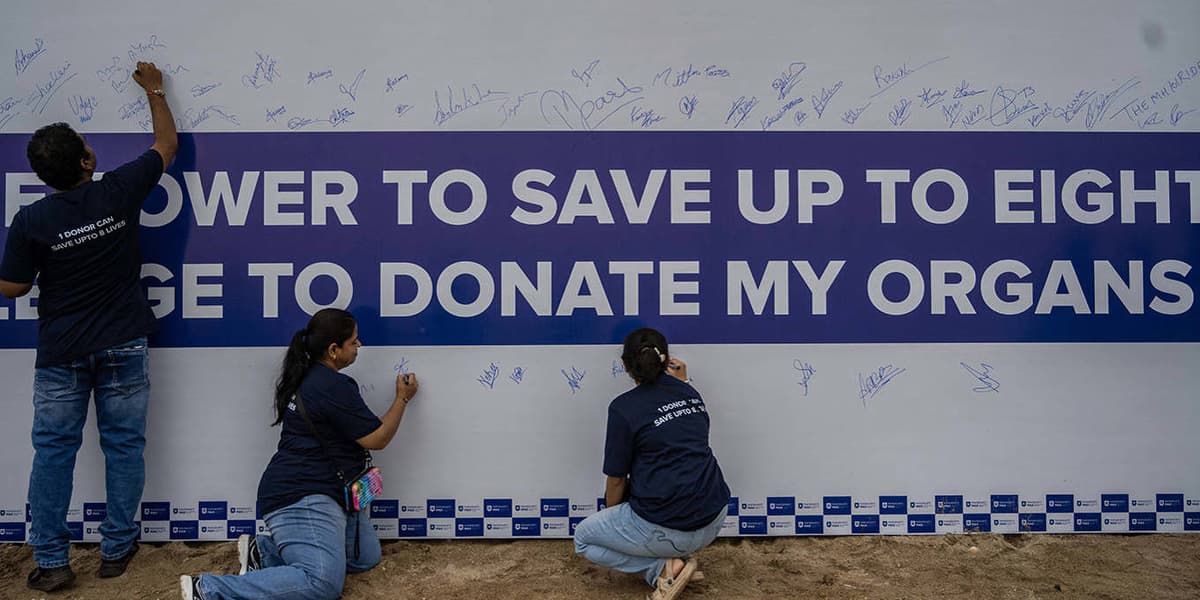
Tunisia’s recent pilot program illustrates how a low‑budget, education‑first strategy can break that cycle. Doctors conducted community‑based workshops that demystified the deceased donation process, clarified legal safeguards, and provided a forum for residents to voice concerns. Within months, donor registration numbers rose markedly, outperforming parallel legislative efforts that sought to tighten consent laws. The initiative’s success hinged on personal interaction—physicians leveraged their credibility to address myths, while participants gained a clearer understanding of how organ allocation works.
The Tunisian model offers a replicable blueprint for other low‑resource settings. Policymakers can prioritize modest funding for outreach rather than costly legal overhauls, integrating awareness sessions into existing primary‑care visits or public health campaigns. By confronting cultural barriers head‑on and fostering trust, nations can expand their deceased donor pools, reduce transplant wait‑times, and ultimately lower the economic burden of chronic organ failure. As global health stakeholders seek scalable solutions, education‑driven approaches are poised to become a cornerstone of organ‑donation policy worldwide.
How to Encourage Deceased Organ Donation
Comments
Want to join the conversation?
Loading comments...