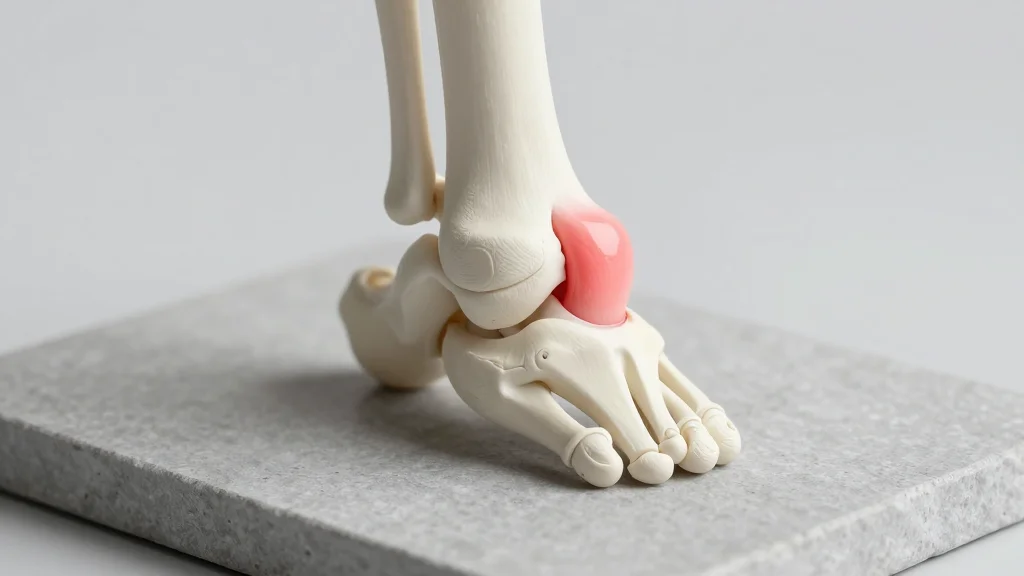
How to Manage Rheumatoid Arthritis: Care, Treatment, and Daily Tips
Why It Matters
Prompt, integrated RA management reduces long‑term disability and healthcare costs, benefiting patients and the broader health system. The approach sets a benchmark for chronic disease care that balances pharmacology with daily self‑management.
Key Takeaways
- •Early diagnosis slows joint damage.
- •Combine meds, therapy, lifestyle for optimal RA control.
- •Daily low-impact exercise maintains joint flexibility.
- •Omega‑3 rich diet reduces inflammation.
- •Stress management improves symptom severity.
Pulse Analysis
Rheumatoid arthritis affects roughly 1.3 million Americans, imposing a significant economic burden through medical expenses and lost productivity. Early detection, often facilitated by primary‑care screening and rheumatology referral, is the single most impactful factor in altering disease trajectory. Patients diagnosed within the first six months of symptom onset typically experience slower radiographic progression and retain greater functional capacity, underscoring the need for heightened awareness among clinicians and at‑risk individuals.
Modern RA treatment has evolved from symptom‑relief NSAIDs to a comprehensive, treat‑to‑target strategy centered on disease‑modifying antirheumatic drugs (DMARDs) and biologic agents. These therapies, when initiated promptly, can achieve remission in a substantial subset of patients. However, medication alone is insufficient; multidisciplinary care that incorporates physical therapy, occupational guidance, and nutrition counseling amplifies outcomes. Low‑impact activities such as walking, yoga, and targeted strengthening preserve joint range of motion, while omega‑3‑rich foods and weight management mitigate systemic inflammation. Stress reduction techniques further modulate immune responses, offering a holistic shield against flare‑ups.
Looking ahead, digital health tools are reshaping RA management. Tele‑rehabilitation platforms enable remote physiotherapy supervision, and wearable sensors provide real‑time joint activity data, allowing clinicians to fine‑tune treatment plans. Emerging therapies, including Janus kinase inhibitors and personalized biologics, promise higher remission rates with fewer side effects. Patient education remains pivotal; informed individuals are more likely to adhere to medication regimens and adopt lifestyle changes that sustain joint health. As the ecosystem integrates technology, pharmacology, and self‑care, the outlook for RA patients continues to improve.
How to Manage Rheumatoid Arthritis: Care, Treatment, and Daily Tips
Comments
Want to join the conversation?
Loading comments...