Why It Matters
Human‑centric, beautiful hospital environments can improve patient outcomes, staff well‑being, and community health equity, making architecture a strategic lever in healthcare delivery.
Key Takeaways
- •Renzo Piano, Norman Foster, David Adjaye call for humane hospital design
- •Natural light, gardens, and local materials reduce patient stress
- •Beauty is framed as essential to healing, not decorative
- •Context‑specific architecture improves outcomes in both rich and resource‑limited settings
Pulse Analysis
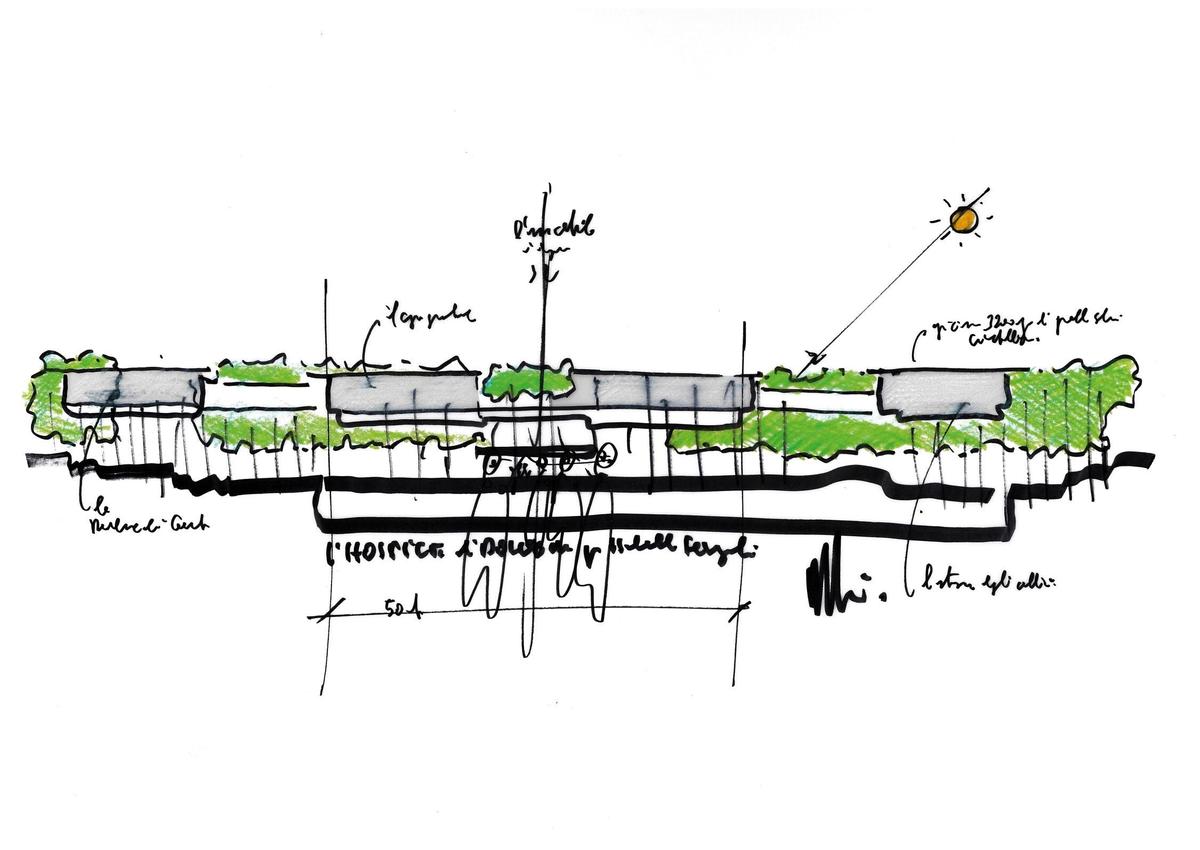
The 20th‑century push for clinical efficiency turned hospitals into sterile blocks, sidelining the human experience. Architects like Renzo Piano now argue that a patient’s view of trees or a garden can act as a metaphor for recovery, echoing the more humane designs of 19th‑century infirmaries. Piano’s suspended children’s hospice in Bologna and Foster’s Maggie’s Centre in Manchester illustrate how thoughtful spatial planning can soften the shock of a diagnosis and create a refuge that supports emotional resilience.
Beauty, in this new paradigm, is not ornamental but functional. Piano describes "deep beauty" as the interplay of light, proportion, and transparency that nurtures the spirit, while Adjaye’s International Children’s Cancer Research Centre in Ghana demonstrates that locally sourced materials and climate‑responsive design can deliver that same therapeutic quality on modest budgets. By integrating natural light, outdoor views, and culturally resonant forms, architects reduce stress hormones, improve sleep cycles, and accelerate physiological healing—benefits that are measurable across diverse health systems.
Beyond individual outcomes, humane hospital architecture reshapes the broader health ecosystem. When facilities align with community values, they become hubs for education, research, and social support, amplifying public health impact. Designers who prioritize ecological integration and patient dignity can lower operational costs through passive heating, ventilation, and daylighting, while also addressing equity by delivering high‑quality environments in underserved regions. As healthcare faces rising demand, the built environment emerges as a scalable, cost‑effective lever for improving quality of life worldwide.
Humanizing Health Architecture
Comments
Want to join the conversation?
Loading comments...