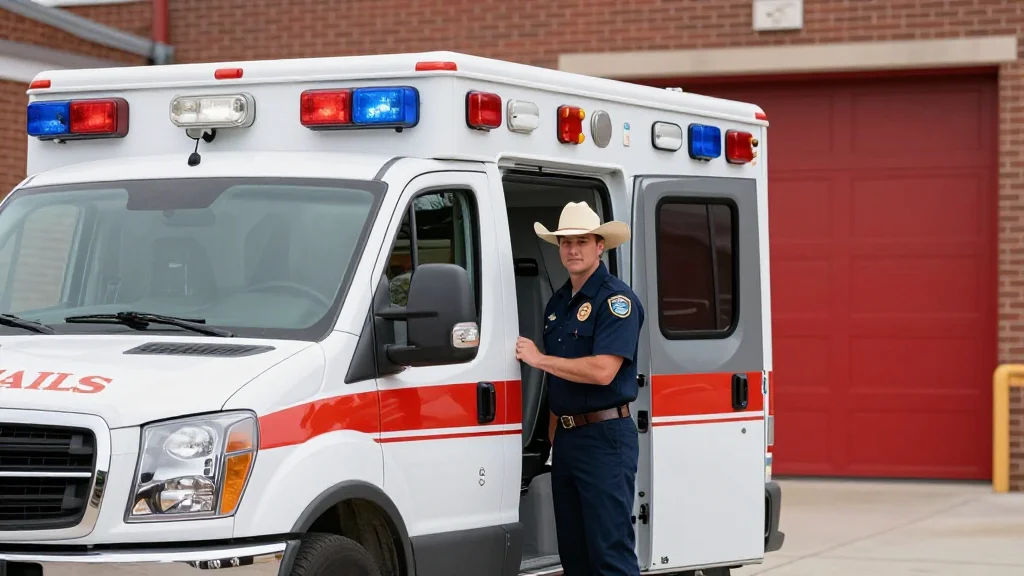
Ill. EMS Moves Into Firehouse to Reduce Response Times
Why It Matters
Shortening EMS response times can improve survival rates and reduce complications for rural patients, strengthening community health outcomes. The partnership demonstrates a cost‑effective model for expanding emergency coverage without new infrastructure.
Key Takeaways
- •EMS unit moves to Roodhouse firehouse within two weeks
- •Northern Greene County sees expected faster ambulance response
- •75% of runs originate from north Greene, reducing travel time
- •Temporary location until White Hall clinic opens later this year
Pulse Analysis
Rural emergency medical services often grapple with geography‑driven delays, and Illinois is no exception. Across the Midwest, counties with dispersed populations face ambulance travel times that exceed national benchmarks, jeopardizing outcomes for time‑sensitive conditions like heart attacks and severe trauma. By co‑locating an advanced‑life‑support ambulance with a fire station, Greene County leverages existing infrastructure, a strategy gaining traction in regions where building new stations is financially prohibitive. This approach not only cuts response intervals but also fosters inter‑agency collaboration, a critical factor in coordinated disaster and public‑health responses.
The Roodhouse relocation targets the county’s northern corridor, where three‑quarters of ambulance calls originate. Previously, crews dispatched from Carrollton required up to 20 minutes to reach the area, a delay that can be decisive in medical emergencies. Stationing two EMS personnel and an ALS unit directly at the firehouse is projected to shave several minutes off that window, aligning response times with the National Fire Protection Association’s 8‑minute standard for rural EMS. While a dedicated clinic in White Hall is under construction, the firehouse serves as a stopgap, ensuring the community benefits from improved coverage immediately rather than waiting for the permanent facility.
Beyond immediate life‑saving potential, the move signals a scalable template for other underserved locales. By sharing facilities, fire departments and ambulance providers can defer capital expenditures while still expanding service footprints. This model may also attract additional funding, as state and federal grant programs often prioritize innovative, cost‑effective solutions that demonstrably enhance public safety. As Greene County monitors outcomes, data on reduced response times and patient outcomes will inform future collaborations, potentially reshaping how rural EMS networks are structured nationwide.
Ill. EMS moves into firehouse to reduce response times
Comments
Want to join the conversation?
Loading comments...