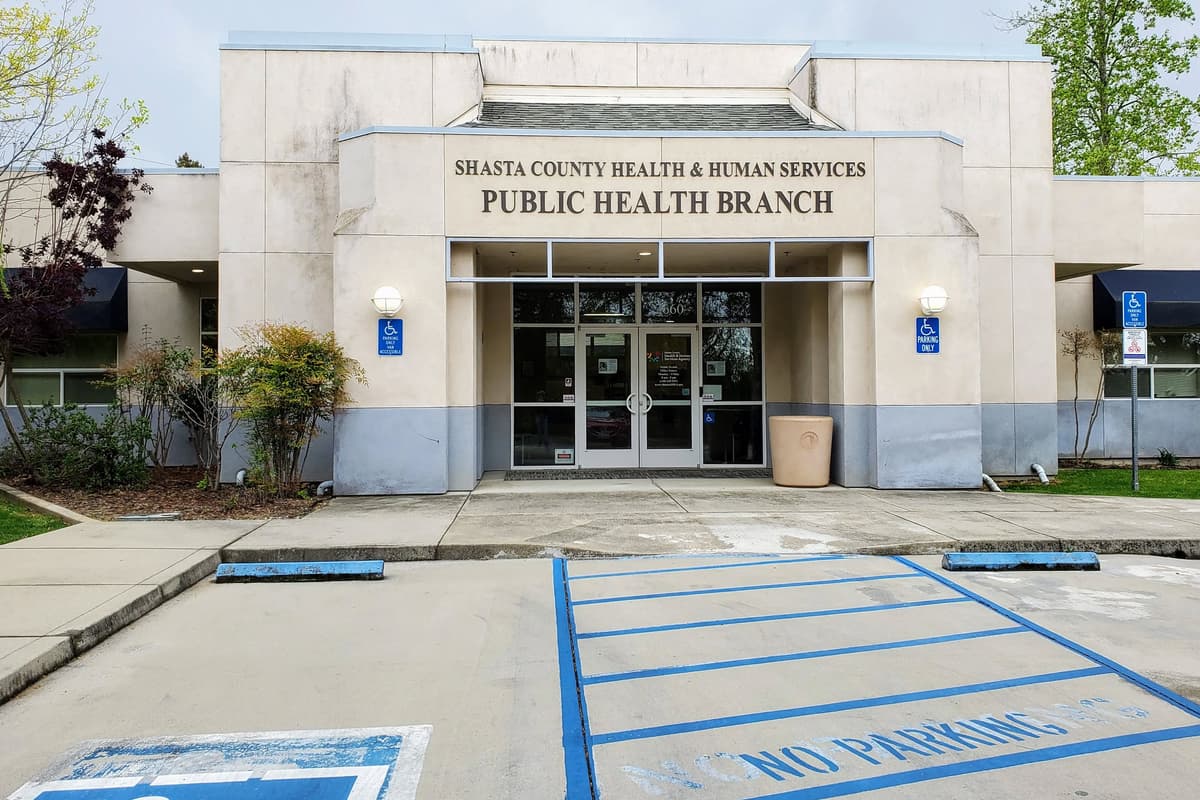
In a Vaccine-Skeptical California County, a Potential Playbook To Contain Measles
Companies Mentioned
Why It Matters
The rapid containment preserves public‑health gains and prevents the U.S. from losing its measles‑elimination status, highlighting the critical role of speed and trust in outbreak control. It shows that even low‑vaccination pockets can be protected through targeted, non‑political outreach.
Key Takeaways
- •Shasta traced 9 measles cases, contacting over 600 potential exposures
- •All confirmed cases were unvaccinated or vaccination status unknown
- •Rapid response team mobilized >12 nurses, epidemiologists within hours
- •County achieved outbreak containment in 2.5 months, offering a national playbook
Pulse Analysis
Measles, once declared eliminated in the United States, is resurfacing as vaccination gaps widen and travel increases. By early 2026 the country faced more than 4,000 cases, threatening the two‑decade‑long elimination status. Shasta County’s experience underscores how a single index case can spiral without immediate action, especially in communities where the overall immunization rate hovers just below the 95% herd‑immunity threshold. The county’s public health officer, Dr. James Mu, leveraged a multi‑disciplinary team to map exposure sites, from a grocery store to a school, and reached out to over 600 individuals within days, curbing further transmission.
The success hinged on three operational pillars: speed, data‑driven contact tracing, and culturally aware communication. Nurses and epidemiologists convened an “initial threat assessment” within hours, using the state’s CalCONNECT system to automate symptom monitoring. Simultaneously, outreach staff engaged trusted local figures—principals, church leaders, and clinic managers—to deliver non‑judgmental messages, emphasizing personal responsibility without alienating vaccine‑skeptical families. This approach respected community autonomy while enforcing the 21‑day isolation protocol for exposed unvaccinated children, ultimately limiting the outbreak to nine cases.
For public‑health leaders elsewhere, Shasta’s playbook offers a replicable model: prioritize rapid case identification, deploy a coordinated contact‑tracing workforce, and build trust through local messengers. As California prepares for potential measles spikes linked to the World Cup and summer travel, the state’s Project Stethoscope initiative aims to replicate these tactics across diverse jurisdictions. The broader lesson is clear—effective outbreak control depends less on mandates and more on swift, transparent, and empathetic engagement with the communities most at risk.
In a Vaccine-Skeptical California County, a Potential Playbook To Contain Measles
Comments
Want to join the conversation?
Loading comments...