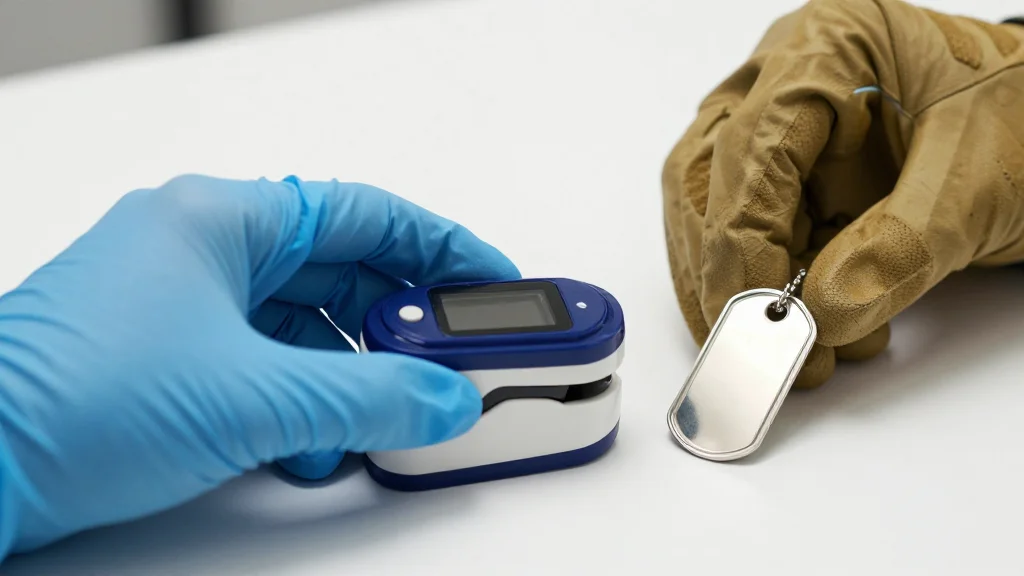
Innovation De-Implementation in Emergency Departments During the COVID-19 Pandemic
Why It Matters
Understanding de‑implementation drivers helps health systems design agile response frameworks, ensuring ineffective or risky practices are swiftly retired during crises. This insight is critical for maintaining patient safety and resource efficiency in future emergencies.
Key Takeaways
- •Clinicians relied on patient outcomes to drop COVID‑19 innovations
- •Supply shortages and leadership protocols drove de‑implementation decisions
- •Better treatment alternatives prompted replacement of earlier emergency interventions
- •Local hospital compliance and anticipated volume influenced innovation discontinuation
- •Decision thresholds lowered due to rapid evidence evolution in pandemic
Pulse Analysis
The COVID‑19 pandemic forced emergency departments to become rapid testing grounds for novel therapies, diagnostics, and workflow changes. While much attention has been paid to the speed of adoption, the equally important process of discontinuing ineffective measures—known as de‑implementation—has received scant scholarly focus. This study fills that gap by gathering frontline perspectives from physicians, nurses, advanced practice providers, and respiratory therapists across diverse hospital settings, revealing a pragmatic decision‑making landscape shaped by real‑time outcomes and resource realities.
Key findings show that clinicians leaned heavily on observable patient results and peer dialogue to assess whether an innovation should be retired. Supply chain volatility, especially for personal protective equipment and ventilators, acted as a catalyst for removal, while leadership‑issued protocols either reinforced or accelerated the process. Crucially, the emergence of superior treatment options—such as antiviral agents or non‑invasive ventilation techniques—served as a direct replacement trigger. The study also notes that traditional evidence thresholds were compressed; hospitals accepted lower‑certainty data to make swift de‑implementation choices, reflecting the urgency of the public health emergency.
These insights have lasting implications for health‑care preparedness. Policymakers and hospital administrators must institutionalize mechanisms that not only fast‑track innovation adoption but also embed systematic monitoring and criteria for timely withdrawal. Building real‑time data dashboards, fostering interdisciplinary debriefs, and establishing clear de‑implementation pathways can safeguard against the entrenchment of suboptimal practices. As future pandemics or crises loom, a balanced approach to both implementation and de‑implementation will be essential for optimizing patient outcomes and conserving critical resources.
Innovation De-Implementation in Emergency Departments During the COVID-19 Pandemic
Comments
Want to join the conversation?
Loading comments...