Inpatient Rehab Lags for Patients with Acute Neurological Injury
Why It Matters
Limited inpatient rehab utilization hampers recovery potential for millions of neurologic injury patients and perpetuates inequitable outcomes, raising urgent concerns for health systems and payers.
Key Takeaways
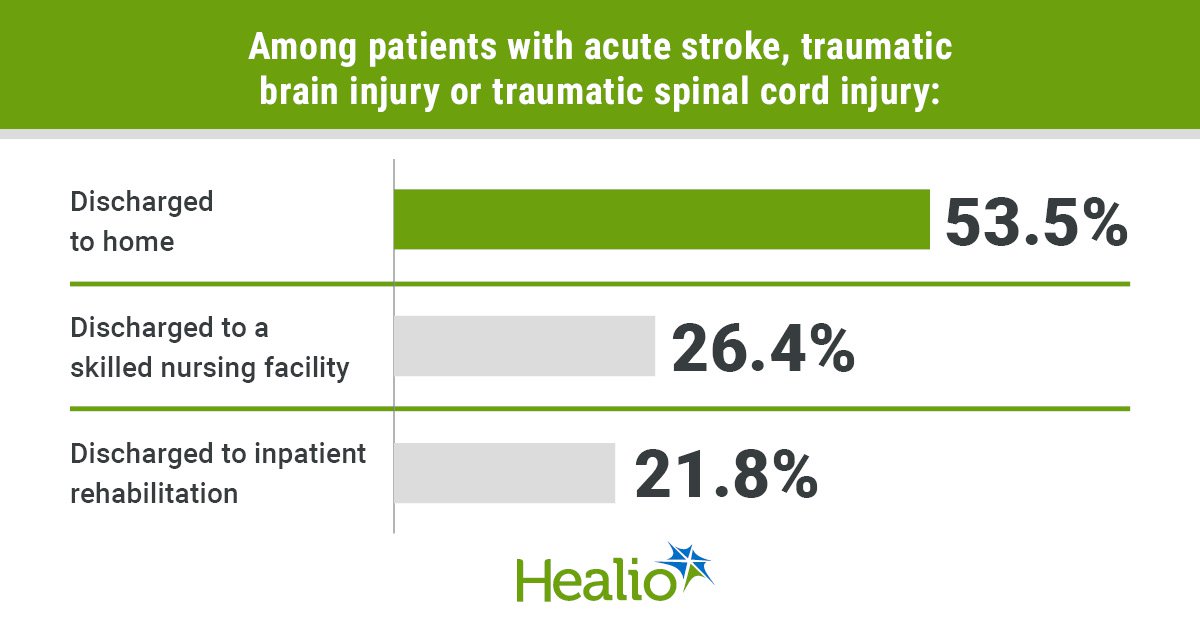
- •Only 21.8% of stroke patients discharged to inpatient rehab.
- •Just 13.7% of TBI patients received inpatient rehabilitation.
- •Black patients 29% more likely to go to post‑acute rehab than whites.
- •Private insurance raises odds of inpatient rehab referral versus Medicare.
- •Early rehab planning recommended to close equity gaps.
Pulse Analysis
The recent Neurology study of 444,908 acute neurologic patients underscores a persistent gap in post‑acute care. While inpatient rehabilitation can accelerate functional recovery after stroke, traumatic brain injury (TBI) or spinal cord injury, fewer than one‑quarter of stroke survivors and only 13.7% of TBI patients were transferred to such facilities. The analysis, spanning five states from 2016‑2019, found that 46.5% of all patients left the hospital for any rehabilitation setting, yet the majority were routed to skilled nursing facilities rather than intensive rehab units.
Disparities were driven by age, gender, race, and payer mix. Older adults and women faced lower odds of inpatient rehab referral, while Black patients were 29% more likely than whites to be sent to any post‑acute facility, yet less likely to receive intensive rehab. Private insurers boosted the chance of inpatient placement by 73% compared with Medicare, whereas Medicaid and self‑pay patients lagged sharply. Clinical severity markers such as mechanical ventilation and tracheostomy dramatically increased rehabilitation odds, highlighting how medical complexity intersects with socioeconomic factors.
Clinicians and health systems are urged to embed rehabilitation assessment early in the acute stay and to standardize referral pathways. Tracking discharge destinations by demographic and insurance variables can surface inequities and guide targeted interventions. Policymakers may consider reimbursement reforms that align incentives for intensive rehab, especially for Medicare beneficiaries who comprise the majority of this cohort. As the population ages, ensuring equitable access to high‑intensity inpatient rehabilitation will be pivotal for reducing long‑term disability costs and improving quality of life for neurologic injury survivors.
Inpatient rehab lags for patients with acute neurological injury
Comments
Want to join the conversation?
Loading comments...