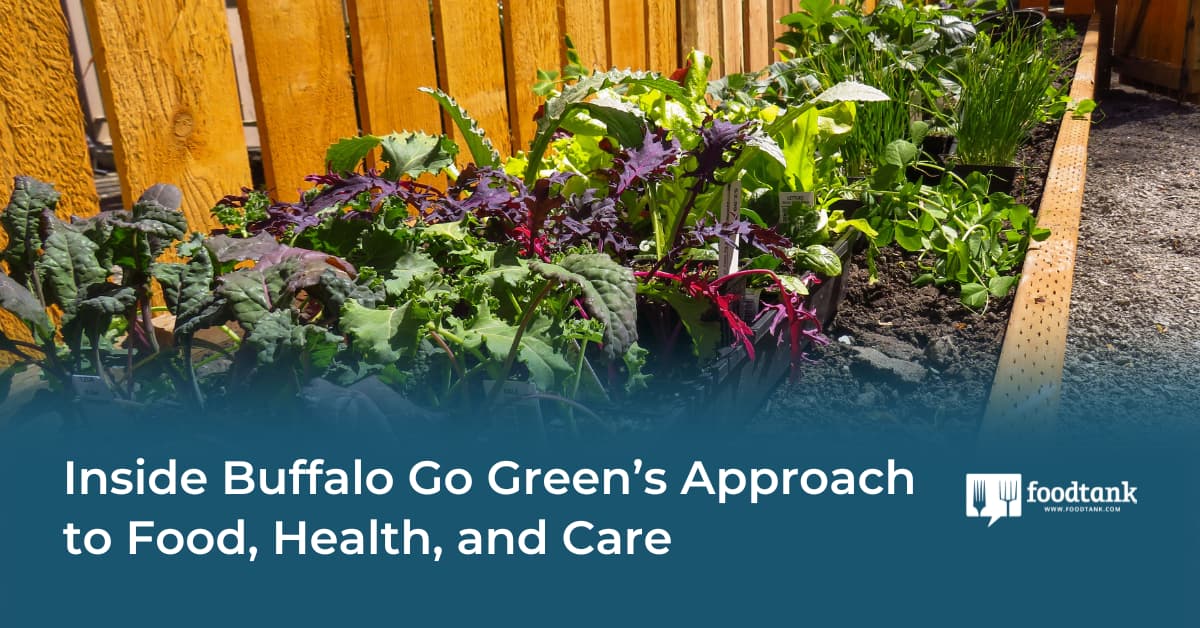
Inside Buffalo Go Green’s Approach to Food, Health, and Care
Why It Matters
By integrating real‑time client data with food‑access services, Buffalo Go Green improves health outcomes and informs statewide Food‑is‑Medicine policy, offering a replicable model for urban food equity.
Key Takeaways
- •Produce prescriptions connect patients to fresh fruits, reducing diet‑related disease.
- •Mobile markets deliver organic food directly to underserved East Side neighborhoods.
- •New platform captures weekly client needs, informing waiver program adjustments.
- •Education spans home gardening, cooking, and food‑system literacy for lasting impact.
- •Planned wellness campus will add teaching kitchen, juice bar, and hydroponics.
Pulse Analysis
Buffalo’s East Side faces some of the nation’s highest rates of food insecurity, with roughly 28% of residents living below the poverty line and 24% classified as food‑insecure. Buffalo Go Green addresses these entrenched disparities by coupling a community‑run farm with produce‑prescription programs that give patients doctor‑ordered vouchers for fresh fruits and vegetables. Mobile markets extend that reach, bringing organic produce to neighborhoods where grocery stores are scarce, while hands‑on education—from home gardening to cooking classes—builds lasting nutritional literacy.
The nonprofit’s latest initiative tackles a critical blind spot in New York’s Medicaid 1115 Food‑is‑Medicine waiver. Existing referral pathways often lose track of patients’ evolving circumstances—housing instability, caregiving duties, or seasonal dietary needs—leading to missed opportunities for sustained behavior change. Buffalo Go Green’s upgraded platform, originally a point‑of‑sale system, now records weekly individual needs and aggregates data for program designers and policymakers. This granular insight enables more responsive service delivery, improves compliance metrics, and provides evidence that can shape future waiver expansions across the state.
Looking ahead, Buffalo Go Green is scaling its impact with a holistic wellness campus that will house a teaching kitchen, a small market, a juice bar, and indoor hydroponic farms. By co‑producing solutions with universities, health systems, and community coalitions, the organization creates a replicable blueprint for other urban centers confronting food deserts. The campus will serve as a living laboratory, demonstrating how integrated agriculture, education, and data‑driven health services can drive measurable reductions in diet‑related chronic disease while fostering economic development in historically disinvested neighborhoods.
Inside Buffalo Go Green’s Approach to Food, Health, and Care
Comments
Want to join the conversation?
Loading comments...