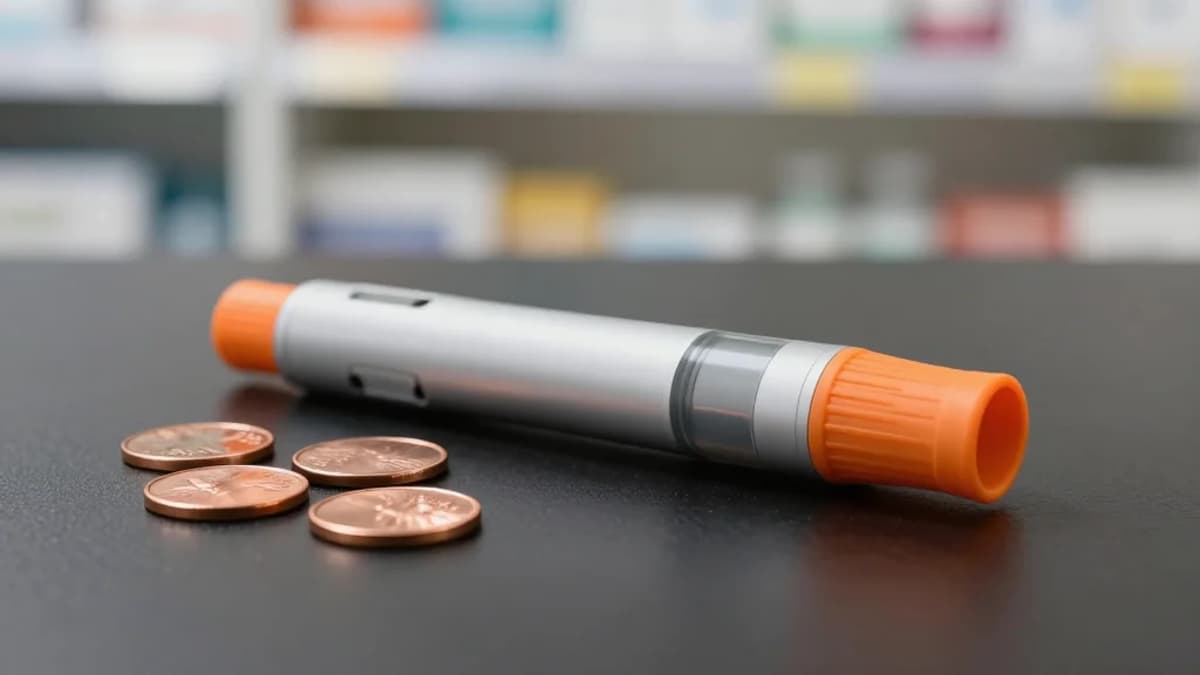
The pricing dynamics erode patient access and strain payer budgets, while PBM practices create systemic inefficiencies that threaten the sustainability of diabetes care markets. Pharmacist‑driven interventions can directly reduce nonadherence and lower overall healthcare expenditures.
The insulin market illustrates how legacy drugs can become profit engines when pricing structures decouple list prices from net costs. Manufacturers inflate sticker prices to offer larger rebates, a practice amplified by PBMs that earn fees tied to those rebates. This creates a feedback loop where higher list prices generate bigger discounts, yet patients—especially those without comprehensive coverage—face steep point‑of‑sale charges. The resulting gross‑to‑net bubble has ballooned to hundreds of billions, distorting true drug value and prompting antitrust scrutiny of PBM contracts.
Legislative and state‑level actions are beginning to address the imbalance. The Inflation Reduction Act caps Medicare insulin expenses at $35 per month, setting a precedent for broader price regulation, while programs like Minnesota’s Insulin Safety Net provide low‑cost supplies to vulnerable residents. Transparency laws in over a dozen states now require detailed reporting of rebate flows and price hikes, offering data that could inform cost‑based pricing models suggesting sustainable vial prices of $6‑$11. Yet these reforms face challenges in scope, enforcement, and awareness, leaving many patients outside the protective net.
Pharmacists emerge as frontline agents capable of translating policy into patient benefit. By incorporating affordability questions into routine counseling, they can identify individuals at risk of cost‑related nonadherence and connect them with manufacturer savings cards, assistance programs, or lower‑priced private‑brand insulins. Collaborative care models, such as split‑shared visits with physicians, have demonstrated measurable reductions in medication expenses and improved glycemic outcomes. As the industry grapples with pricing reform, the pharmacist’s role in advocacy, education, and care coordination will be pivotal in ensuring insulin remains an accessible, life‑saving therapy.
Manuel Mathews, BS · February 19, 2026
List prices rose >300 % despite insulin’s age, reflecting limited competition, slow uptake of interchangeable biosimilars, and a reimbursement system that rewards higher sticker prices.
Gross‑to‑net discounting expanded markedly (2012–2019), with rebates increasingly steering formularies while leaving uninsured and deductible‑sensitive patients exposed to inflated point‑of‑sale costs.
Duplicate discounting, particularly in 340B channels, erodes manufacturer revenue and obscures whether concessions reach payers or patients, complicating accountability across the supply chain.
PBMs’ rebate‑linked compensation and market concentration create incentives to prefer high‑list‑price products; federal antitrust scrutiny underscores concerns that these practices sustain unaffordable insulin.
Pharmacists can reduce cost‑related nonadherence by screening for affordability, steering to lower‑cost analogs or assistance programs, coordinating split‑shared care with physicians, and supporting state/federal reforms.
Insulin costs soar despite a century of use—see how PBMs, rebates, and new policies shape access, and what pharmacists can do.
The discovery of insulin in the early 1920s is widely praised as one of the greatest medical advances in history. Before its introduction, patients with diabetes had few treatment options beyond severe dietary restrictions, which often led to poor results. In 1921, Canadian surgeon Sir Frederick Banting, MD and his assistant, Charles Best, successfully isolated insulin from a dog’s pancreas and kept the animal alive for 70 days. This eventually led to the first use of insulin in a human, Leonard Thompson, in 1922.¹ Soon after, Eli Lilly and Company began the large‑scale production of insulin, followed by the development of synthetic human insulin using recombinant DNA technology in 1978.¹
Although it remains a public good, insulin has become a symbol of systemic pricing dysfunction in the US health‑care system. This article reviews the crisis of insulin affordability in the US—driven by pharmaceutical pricing practices, pharmacy‑benefit‑manager (PBM) influence, and regulatory shortcomings—while highlighting how pharmacists play a pivotal role in improving access, guiding cost‑effective treatment choices, and advocating for policy reforms that ensure diabetes care.
Over the past two decades, insulin prices have increased dramatically, despite the drug being a century‑old therapy. A 2020 article examining the origins of the price increases notes that insulin prices have risen by more than 300 %, driven by a mix of systemic inefficiencies, limited competition, and a convoluted reimbursement landscape.² Although manufacturers point to the complex system involving PBMs and rebates, critics argue that this defense fails to explain why insulin has remained unaffordable. Moreover, the delayed introduction of interchangeable biosimilar insulins has limited generic competition. Only recently have products such as insulin glargine‑yfgn (Semglee; Biocon Biologics) and insulin glargine‑aglr (Rezvoglar; Eli Lilly) received an FDA interchangeability designation, and even these are met with challenges due to brand loyalty and lack of insurer adoption.²
The steep rise in insulin list prices—despite net prices often declining due to growing rebates—illustrates the gross‑to‑net bubble. From 2012 to 2019, commercial discounts for top insulin products such as insulin glargine (Lantus; Sanofi‑Aventis), insulin lispro (Humalog; Eli Lilly), and insulin aspart (Novolog; Novo Nordisk) rose sharply, increasing from $4.9 billion to $22 billion, with commercial discounts making up over 70 % of these rebates.³ These discounts, while helpful to PBMs, often increased out‑of‑pocket costs for uninsured patients and affected formulary decisions. As a result, the intended beneficiaries (patients and insurers) did not receive the full benefits. Public frustration mounted, and in 2023 the three dominant insulin manufacturers—Eli Lilly, Novo Nordisk, and Sanofi—announced price cuts of up to 80 %, in part to avoid expanded Medicaid rebate penalties under new 2024 rules.⁴ The following figure demonstrates the impact of these list‑price reductions; although the total estimate for gross‑to‑net reductions for 2024 was a staggering $356 billion, the overall inflation of the gross‑to‑net bubble was the lowest in the last ten years.5
The issue lies with the unsustainability of the bubble itself. The complexity of the bubble often makes it unclear whether a discount has been applied to a prescription, often leading to a practice known as duplicate discounting. This practice is especially common within the 340B Drug Pricing Program, with an estimated $11 billion in lost revenue due to duplicate discounting. This could financially harm manufacturers by diverting resources that could support patient care, research and development, or system‑wide efforts to reduce drug costs. Pharmacists can help bridge these gaps by connecting patients with manufacturer savings cards and patient‑assistance programs. They also play a key role in communicating formulary changes and advocating for fair pricing through professional organizations and community outreach.2,6
Although manufacturer pricing strategies play a role, PBMs also contribute significantly to inflated insulin costs. These middlemen operate at the intersection of insurers, pharmacies, and drug manufacturers, where they negotiate rebates in exchange for favorable formulary placement. PBMs receive rebates and fees from manufacturers, often as a percentage of the list price, incentivizing PBMs to favor drugs with higher list prices (and thus higher rebates) over those with lower list prices.7 This dynamic encourages manufacturers to inflate list prices to offer larger rebates, thereby securing formulary status while passing higher costs onto patients at the point of sale, particularly those who are uninsured, under‑insured, or in high‑deductible plans.8
The current structure has allowed PBMs to be very profitable, with the top three PBMs (CVS Caremark, Express Scripts, and Optum Rx) controlling 79 % of the market share and bringing in tens of billions of dollars in revenue.7 The Federal Trade Commission recently filed a lawsuit against several PBMs, accusing them of artificially inflating insulin prices through rebate structures, continuing long‑standing criticisms of PBM practices.9 This case emphasizes the role of PBMs in creating a system that thrives on inflated prices and back‑end discounts while burdening patients with unaffordable out‑of‑pocket costs.
Despite these challenges, there have been policy developments aimed at addressing insulin affordability. The Inflation Reduction Act of 2022 introduced a $35 monthly cap on insulin costs for Medicare Part D beneficiaries, marking a crucial federal step toward price regulation.10 Although this provision does not yet apply to those with commercial insurance or the uninsured, it sets a legislative precedent for broader reform.
At the state level, the Minnesota Insulin Safety Net Program, which provides eligible residents with affordable insulin through both urgent‑need (30‑day supply for $35) and continuing‑need (90‑day supply for $50) components, demonstrates how targeted policies can effectively improve insulin access. Most patients and pharmacists expressed satisfaction with the program, though awareness and administrative hurdles remain areas for improvement.11
Furthermore, drug‑pricing transparency laws have been implemented in 13 states, including California, Connecticut, and Florida.12 These laws require rebate systems, including PBMs and manufacturers, to report significant increases in list prices.7,12 According to data from studies on cost‑based pricing models, insulin could be sustainably priced at $6–$11 per vial—far below current retail prices—highlighting the extent to which market inefficiencies inflate costs.13 Pharmacists have the means to be at the forefront of implementing these affordability programs, assisting patients in understanding eligibility criteria, navigating documentation, and ensuring continuity of care for those relying on safety‑net programs.
Financial limitations are one of the most significant factors in medication nonadherence. A cross‑sectional study conducted in Flint, Michigan, examined the relationship between lower income and out‑of‑pocket medication costs (along with depressive symptoms and education level) on nonadherence to medications in patients with diabetes.14 The study found that an income below $20,000 and monthly medication costs above $50 caused a statistically significant increase in the likelihood that the patient would cut back on their medication.14 Pharmacists can identify patients who may fit into this category through counseling and risk screening; even asking a single question about affordability could create an opportunity to help patients find community resources or social services.15
Pharmacists are also well positioned to identify when a patient may benefit from lower‑cost insulin options. One example is Walmart’s 2021 partnership with Novo Nordisk, which yielded the first private‑brand insulin analog, ReliOn/NovoLog insulin.16 Pharmacists can educate providers and patients about this product, which could help patients save up to 75 % off the price of their branded insulin.16
Finally, pharmacists have the opportunity to collaborate with physicians in addressing difficulties with cost. A randomized controlled trial in Singapore examined the use of a split‑shared model (a joint community pharmacist‑physician visit) to reduce economic hardship among patients living with type 2 diabetes. Through medication‑therapy management, blood‑glucose monitoring, and in‑person counseling across multiple visits, the study data showed a significantly greater reduction in medication costs among those who underwent this intervention compared with the control groups.17 It is important for pharmacists to maintain communication with physicians about a patient’s adverse effects, follow‑up visits, and potential interactions to reduce potential costs for their patient.
The trajectory of insulin from a lifesaving innovation to a symbol of systemic dysfunction reveals much about the broken nature of US drug pricing. The confluence of pharmaceutical pricing strategies, PBM influence, and regulatory lag has resulted in a system where list prices are inflated, affordability is compromised, and vulnerable patients bear the brunt of the impact. However, with increasing public scrutiny, legal action against PBMs, state‑led safety‑net programs, and federal reforms such as the Inflation Reduction Act, there is reason to believe that meaningful change is on the horizon. Pharmacists can amplify this momentum by advocating for insulin pricing reform, supporting transparency legislation, and continuing to educate patients on affordable options. Continued pressure, transparency, and policy innovation will be necessary to restore insulin to what it was always meant to be: an accessible and essential medicine for all.
The history of a wonderful thing we call insulin. American Diabetes Association. Updated July 1 2019. Accessed July 24 2025. https://diabetes.org/blog/history-wonderful-thing-we-call-insulin
Luo J, Gellad WF. Origins of the Crisis in Insulin Affordability and Practical Advice for Clinicians on Using Human Insulin. Curr Diab Rep. 2020;20(1):2. doi:10.1007/s11892-020-1286-3
Dickson SR, Gabriel N, Gellad WF, Hernandez I. Assessment of commercial and mandatory discounts in the gross‑to‑net bubble for the top insulin products from 2012 to 2019. JAMA Netw Open. 2023;6(6):e2318145. doi:10.1001/jamanetworkopen.2023.18145
Feldman WB, Rome BN. The rise and fall of the insulin pricing bubble. JAMA Netw Open. 2023;6(6):e2318074. doi:10.1001/jamanetworkopen.2023.18074
Fein AJ. Gross‑to‑net bubble hits $356B in 2024—but growth slows to 10‑year low. Drug Channels. July 15 2025. Accessed October 31 2025. https://www.drugchannels.net/2025/07/gross-to-net-bubble-hits-356b-in.html
Fein AJ. Solving the gross‑to‑net bubble with better data. Drug Channels. August 15 2025. Accessed November 4 2025. https://www.drugchannels.net/2025/08/solving-gross-to-net-bubble-with-better.html
Nagel KE, Ramachandran R, Lipska KJ. Lessons from insulin: policy prescriptions for affordable diabetes and obesity medications. Diabetes Care. 2024;47(8):1246‑1256. doi:10.2337/dci23-0042
Cheema M. Educate patients about how PBMs’ vertical integration impacts their health care. Pharmacy Times. March 25 2025. Accessed July 24 2025. https://www.pharmacytimes.com/view/educate-patients-about-how-pbms-vertical-integration-impacts-their-health-care
FTC sues prescription drug middlemen for artificially inflating insulin drug prices. Federal Trade Commission news release. September 20 2024. Accessed July 24 2025. https://www.ftc.gov/news-events/news/press-releases/2024/09/ftc-sues-prescription-drug-middlemen-artificially-inflating-insulin-drug-prices
The Inflation Reduction Act of 2022: one‑year anniversary highlights from ASPE. August 16 2023. Accessed January 13 2026. https://aspe.hhs.gov/reports/inflation-reduction-act-2022-one-year-anniversary-highlights-aspe-drug-pricing-reports
Assessing satisfaction with the Minnesota Insulin Safety Net Program. Minnesota Department of Health. October 2023. Accessed July 24 2025. https://www.health.state.mn.us/data/economics/docs/insulinreport.pdf
Prescription drug pricing transparency law comparison chart. National Academy for State Health Policy. Updated December 11 2025. Accessed November 4 2025. https://nashp.org/state-tracker/prescription-drug-pricing-transparency-law-comparison-chart/
Barber MJ, Gotham D, Bygrave H, Cepuch C. Estimated sustainable cost‑based prices for diabetes medicines. JAMA Netw Open. 2024;7(3):e243474. doi:10.1001/jamanetworkopen.2024.3474
Kurlander JE, Kerr EA, Krein S, Heisler M, Piette JD. Cost‑related nonadherence to medications among patients with diabetes and chronic pain: factors beyond finances. Diabetes Care. 2009;32(12):2143‑2148. doi:10.2337/dc09-1059
American Diabetes Association. Making insulin affordable for people with diabetes: a primer for health care professionals. 2024. Accessed November 19 2025. https://professional.diabetes.org/sites/dpro/files/2024-09/ADA_WhitePaper_MakingInsulinAffordableForPeopleWithDiabetes.pdf
Herman WH, Kuo S. 100 years of insulin: why is insulin so expensive and what can be done to control its cost? Endocrinol Metab Clin North Am. 2021;50(suppl 3):e21‑e34. doi:10.1016/j.ecl.2021.09.001
Lum ZK, Tan JY, Wong CSM, et al. Reducing economic burden through split‑shared care model for people living with uncontrolled type 2 diabetes and polypharmacy: a multi‑center randomized controlled trial. BMC Health Serv Res. 2024;24(1):760. doi:10.1186/s12913-024-11199-2
Comments
Want to join the conversation?
Loading comments...