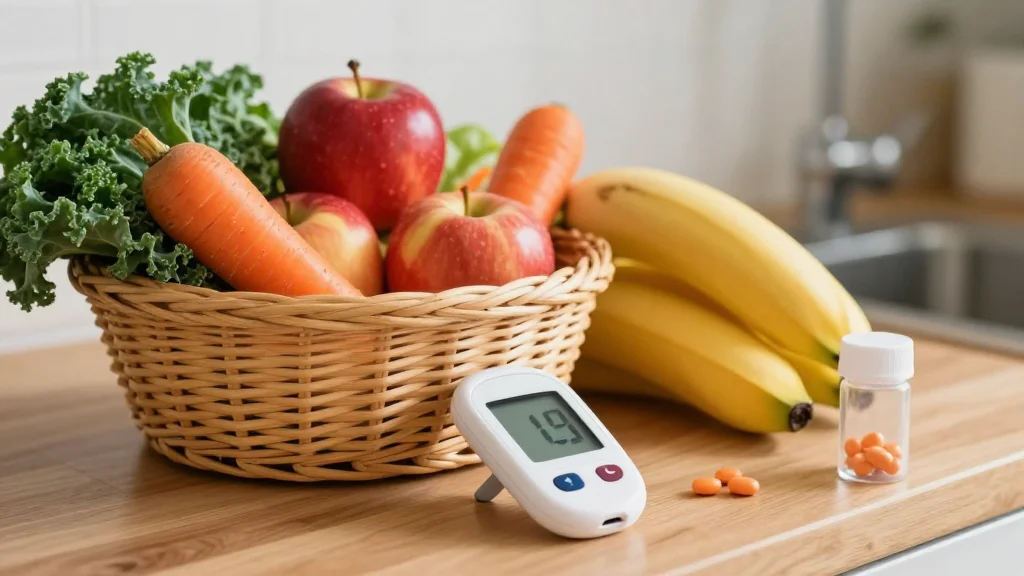
Insurance-Provided Grocery Assistance and Health Care Outcomes Among Patients With Diabetes
Companies Mentioned
Why It Matters
Integrating grocery benefits into commercial health plans may lower diabetes complications and boost adherence, offering a cost‑effective strategy for insurers to improve chronic‑disease management.
Key Takeaways
- •Grocery benefit cut diabetes complications prevalence by 3.1 percentage points.
- •Medication adherence rose 7.5 pp for diabetes drugs, 11.6 pp for antidepressants.
- •No change in overall health care visit volume after benefit rollout.
- •Largest complication reductions seen among Hispanic members and low‑income areas.
Pulse Analysis
The concept of “food as medicine” has moved from pilot projects to mainstream insurance benefits. In early 2021, Elevance Health launched a low‑premium plan that bundled a grocery assistance card covering $1,200‑$3,000 per year for eligible members, primarily those with household incomes below the median. The benefit allowed purchases of fresh produce, whole grains, lean proteins and other nutritious staples while excluding alcohol and prepared foods. By targeting commercially insured adults with type 2 diabetes, the program aimed to test whether modest, low‑touch financial support could improve clinical outcomes without adding complexity to plan design.
The retrospective difference‑in‑differences analysis of 411 enrolled members versus 961 controls revealed a 3.1‑percentage‑point drop in claims for diabetes with complications. Medication adherence also improved, with a 7.5‑point increase for diabetes drugs and an 11.6‑point rise for antidepressants. Importantly, total inpatient, outpatient and emergency‑department visits remained flat, indicating that better disease management did not translate into higher utilization. Subgroup checks showed the strongest complication reductions among Hispanic enrollees and those living in low‑income census tracts, suggesting that the benefit may help narrow existing health disparities.
For insurers, these findings signal a potentially cost‑neutral lever to enhance chronic‑disease outcomes. By reducing complications, plans could avoid expensive hospitalizations and specialty care, while higher medication adherence may lower long‑term pharmacy spend. The low‑touch model—simply a benefit card rather than a full‑service meal delivery—offers scalability across large commercial populations. Policymakers and payers are likely to watch this evidence as they consider broader “food as medicine” mandates, and further longitudinal studies will be needed to confirm durability of the effect and to quantify any net savings.
Insurance-Provided Grocery Assistance and Health Care Outcomes Among Patients With Diabetes
Comments
Want to join the conversation?
Loading comments...