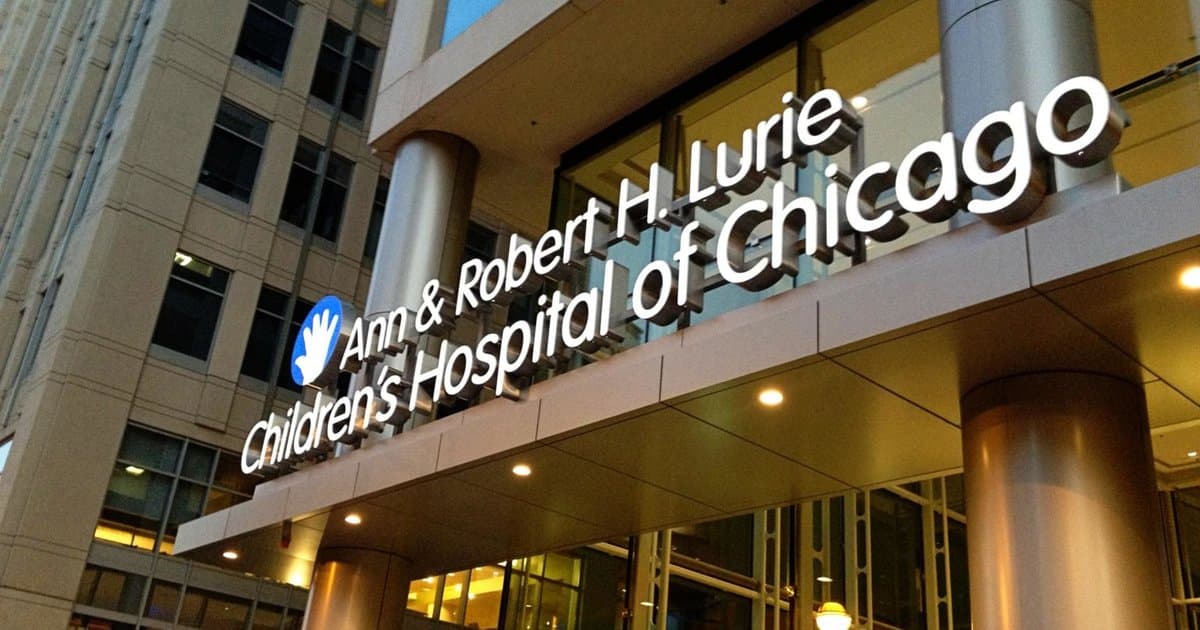
Interventional Radiologist Helps Chicago Children’s Hospital Achieve a World’s First
Why It Matters
By removing the pain barrier of ear‑reconstruction surgery, the approach improves pediatric recovery, cuts opioid dependence, and could set a new standard for pain management in complex reconstructive procedures.
Key Takeaways
- •Intercostal nerve cryoablation cuts post‑surgical pain for microtia repairs
- •Procedure lasts 20 minutes, using ultrasound‑guided, minimally invasive technique
- •Over 30 pediatric patients discharged pain‑free within one day
- •Opioid use and hospital stays significantly reduced, enhancing recovery
- •Ongoing trial compares outcomes with and without nerve‑freezing, results due 2026
Pulse Analysis
Microtia, a congenital condition affecting roughly four in 10,000 newborns, traditionally requires surgeons to harvest rib cartilage for ear reconstruction. The invasive harvest creates significant postoperative pain, often extending hospital stays and driving reliance on opioid analgesics. This pain burden not only hampers recovery but also raises concerns for families and clinicians seeking safer, more comfortable pediatric care.
The breakthrough at Lurie Children’s leverages intercostal nerve cryoablation—a technique that temporarily freezes the nerves supplying the rib‑harvesting site. Performed under ultrasound guidance, the 20‑minute procedure creates a reversible block, allowing patients to experience minimal pain and be discharged within 24 hours. Early data from more than 30 cases demonstrate a marked decline in opioid prescriptions and a faster return to normal activity, positioning the method as a potential game‑changer in reconstructive surgery pain protocols.
Beyond immediate clinical benefits, the innovation signals a broader shift toward multimodal, opioid‑sparing strategies in pediatric surgery. As the ongoing comparative study progresses, its findings could influence guidelines, encourage adoption across specialty centers, and stimulate further research into cryoablation for other painful procedures. For hospitals, the technology promises cost savings through reduced length of stay and lower medication expenditures, while patients gain a smoother, less traumatic recovery experience. The ripple effect may extend to insurance models and health‑policy discussions centered on pain management and opioid stewardship.
Interventional radiologist helps Chicago children’s hospital achieve a world’s first
Comments
Want to join the conversation?
Loading comments...