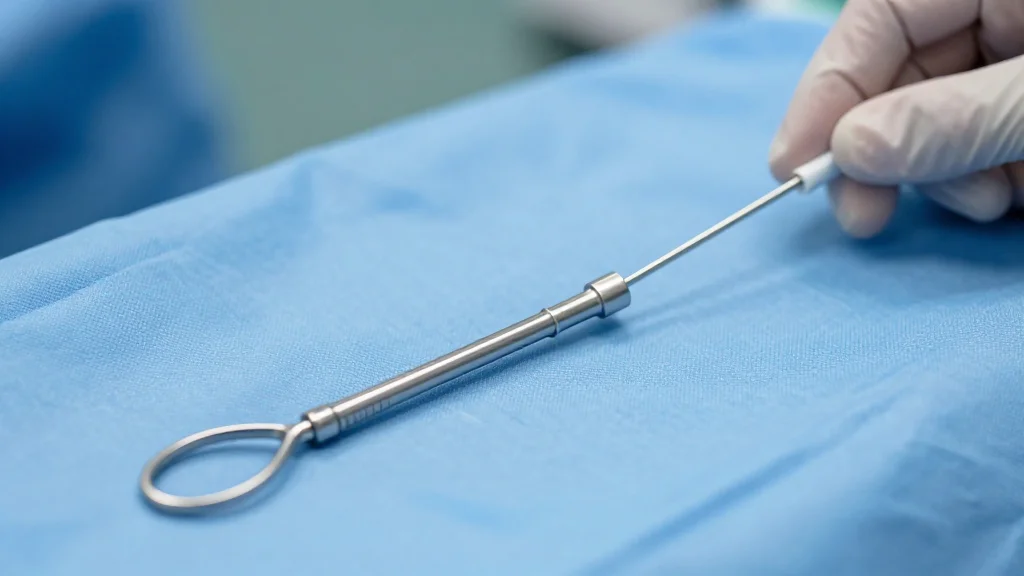
Interventional Radiology Procedure Offers Relief From Painful Blood-Clot Side Effect
Why It Matters
The results suggest an interventional radiology solution can substantially reduce PTS severity, offering a new therapeutic pathway for a condition with limited options and high patient burden.
Key Takeaways
- •C-TRACT trial enrolled 225 patients with moderate‑to‑severe post‑thrombotic syndrome.
- •Stent plus standard care cut severe symptoms to 40% at six months.
- •Procedure performed by interventional radiologists across 29 U.S. institutions.
- •NIH‑funded study published in New England Journal of Medicine.
Pulse Analysis
Post‑thrombotic syndrome affects up to 25% of patients after deep‑vein thrombosis, causing chronic swelling, pain, and skin changes that impair quality of life. Traditional management—blood thinners, compression stockings, and lifestyle modifications—often fails to reverse vein damage, leaving clinicians with few effective tools. As the population ages and venous disease prevalence rises, the need for innovative treatments has become a pressing concern for vascular specialists and health‑system planners alike.
The C‑TRACT trial, funded by the National Institutes of Health, recruited 225 patients with moderate to severe PTS at 29 academic and community hospitals. Participants received either standard medical therapy or a combination of that therapy with catheter‑directed venous stenting, a minimally invasive procedure that restores blood flow through scarred veins. Using the Venous Clinical Severity Score, researchers documented a striking reduction in severe symptoms: only 40% of the stented cohort remained classified as severe after six months, compared with a substantially higher rate in the control arm. The study’s rigorous multicenter design and publication in the New England Journal of Medicine lend credibility to the findings and signal a potential paradigm shift.
If widely adopted, catheter‑directed stenting could reshape the care pathway for PTS, reducing long‑term disability and associated health‑care costs. Hospitals may see increased demand for interventional radiology suites, while device manufacturers could experience a surge in venous stent sales. Ongoing research will need to address durability, patient selection, and reimbursement, but the C‑TRACT data provide a compelling case for expanding the therapeutic arsenal against chronic venous disease.
Interventional radiology procedure offers relief from painful blood-clot side effect
Comments
Want to join the conversation?
Loading comments...