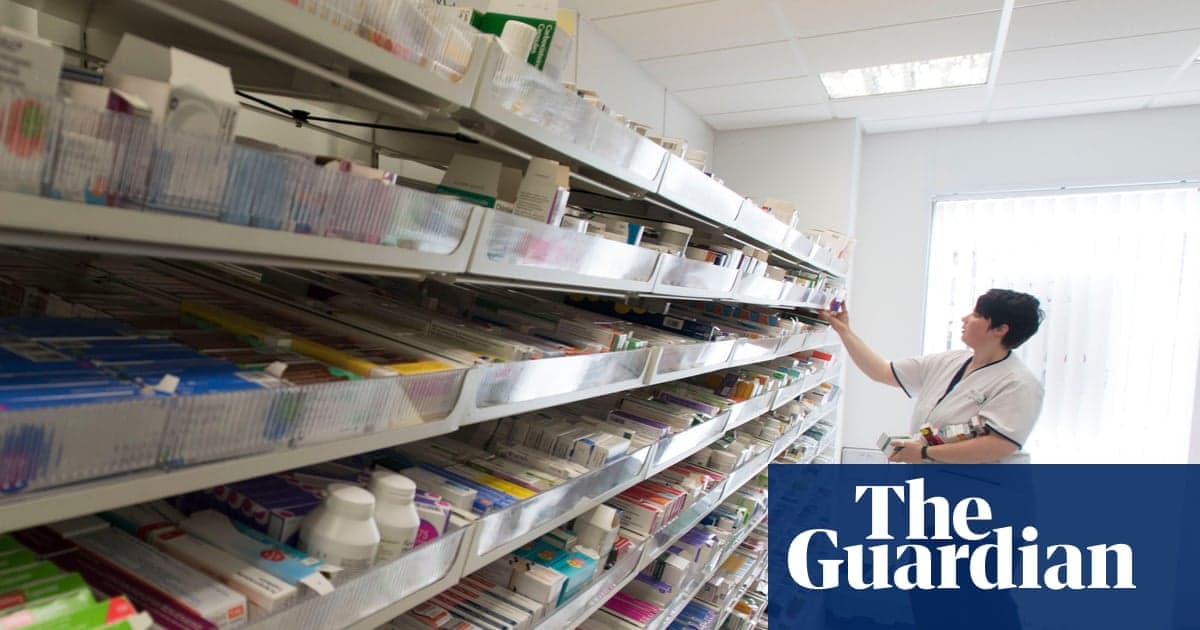
Iran War Pushing up Till Price of some Drugs by up to 30%, Pharmacies Warn
Why It Matters
Rising drug costs strain NHS budgets and threaten access to essential medicines, highlighting supply‑chain vulnerabilities tied to geopolitical events.
Key Takeaways
- •Paracetamol prices up 20‑30% since February
- •Pharmacies paying 40‑50% more for wholesale stock
- •Air‑freight costs doubled, straining drug supply chains
- •NHS medicines bill rising as price‑concessions list triples
- •1,400 pharmacies closed since 2020, closures continue
Pulse Analysis
The war in Iran has rippled through the UK pharmaceutical supply chain by inflating the price of petroleum‑derived feedstocks and spiking transportation costs. Diesel and petrol hikes have raised manufacturing expenses, while the doubling of air‑freight rates—critical for the 20% of NHS medicines that travel by air—has forced wholesalers to pass 40‑50% higher costs onto community pharmacies. This pressure is evident in the surge of over‑the‑counter prices for staples such as paracetamol, which now costs roughly $2.53 for a 100‑tablet pack, up from $0.52 before the conflict.
For the NHS, the impact is two‑fold: direct procurement costs climb and reimbursement mechanisms struggle to keep pace. In March, the price‑concessions list swelled to 230 items, more than triple the figure a year earlier, reflecting broader inflation across blood‑pressure, anxiety, and pain‑relief drugs. Pharmacies, which derive 90% of revenue from NHS prescriptions, face tighter margins as fixed reimbursement rates lag behind wholesale price spikes, prompting some to curtail OTC sales of aspirin and other generics.
Looking ahead, sustained disruption of the Strait of Hormuz could exacerbate shortages, especially for generic drugs reliant on Gulf‑sourced petrochemicals. Policymakers may need to consider temporary relief measures—such as accelerated price‑concession reviews or strategic stockpiles—to shield patients from volatile pricing. Meanwhile, manufacturers are likely to reassess supply‑chain diversification, potentially shifting production closer to home to mitigate future geopolitical shocks, a trend that could reshape the European generic drug market over the next few years.
Iran war pushing up till price of some drugs by up to 30%, pharmacies warn
Comments
Want to join the conversation?
Loading comments...