IStent Inject Reduces Eye Drop Burden in Glaucoma
Companies Mentioned
Why It Matters
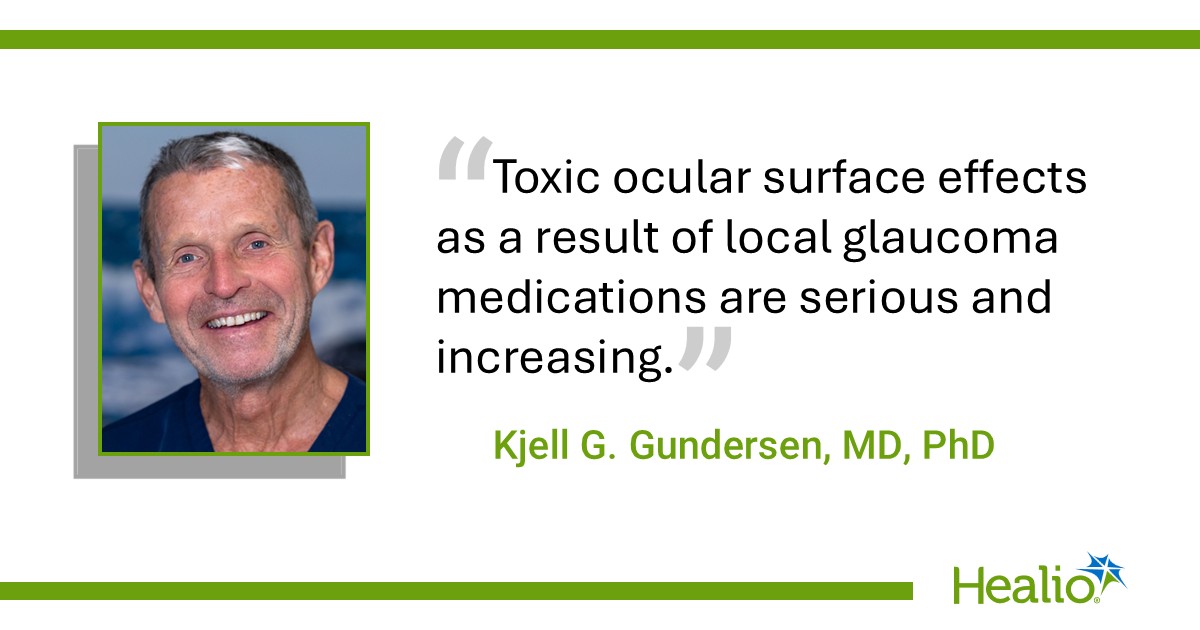
Lowering drop burden reduces toxic ocular surface effects, improves adherence, and can cut long‑term treatment costs for glaucoma patients.
Key Takeaways
- •iStent inject cut average drops from 1.93 to 0.43.
- •IOP reduction similar in stented and drop‑treated eyes.
- •Bulbar redness and staining scores improved with stent.
- •Study supports early MIGS before chronic eye‑drop therapy.
- •Half of glaucoma patients struggle with drop adherence.
Pulse Analysis
Glaucoma remains the leading cause of irreversible blindness worldwide, and the standard of care has long relied on daily topical medications. While effective at lowering intra‑ocular pressure, these drops often contain preservatives that irritate the ocular surface, leading to redness, staining, and patient‑reported discomfort. Over‑time, chronic exposure can compromise corneal health and drive non‑adherence, a problem documented in roughly 50 % of patients. As clinicians seek to preserve visual function while minimizing side‑effects, minimally invasive glaucoma surgery (MIGS) has emerged as a compelling alternative to lifelong pharmacotherapy.
The iStent inject study, conducted at Ifocus Eye Clinic in Norway, directly compared a micro‑bypass stent against conventional drops in a paired‑eye design. After six months, the implanted eye required an average of just 0.43 drops versus 1.93 pre‑implantation, yet achieved intra‑ocular pressure reductions on par with the control eye. Importantly, objective measures of ocular surface health—Keratograph bulbar redness and Oxford staining—showed marked improvement, underscoring the device’s ability to mitigate medication‑induced toxicity. These outcomes reinforce a treatment algorithm that prioritises selective laser trabeculoplasty and MIGS before resorting to chronic drops.
From a market perspective, the data bolster confidence in early‑stage MIGS adoption, potentially expanding the addressable patient pool beyond those who have failed laser therapy. Payers may view reduced medication utilization and fewer ocular‑surface complications as cost‑saving drivers, encouraging reimbursement pathways for devices like iStent inject. Future research will likely focus on long‑term durability, comparative effectiveness against other MIGS platforms, and real‑world adherence metrics, shaping the next wave of glaucoma management strategies.
iStent inject reduces eye drop burden in glaucoma
Comments
Want to join the conversation?
Loading comments...