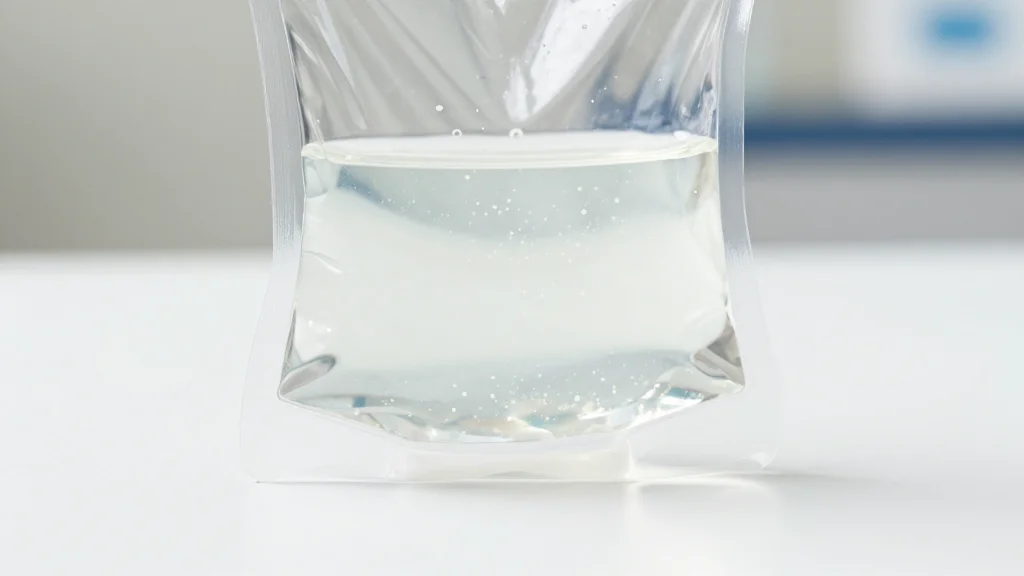
IV Fluids Recalled over Possible Contamination—Patients Face Risk of Vascular Complications
Why It Matters
The recall underscores a critical patient‑safety risk and forces hospitals to audit inventory, potentially disrupting supply chains and increasing operational costs. It also highlights the need for tighter manufacturing controls in the med‑tech sector.
Key Takeaways
- •B. Braun recalls two 1‑liter Lactated Ringer’s lots (J4P756, J4S843).
- •Particulate matter includes cellulose, stearates, trace copper.
- •Potential complications: pulmonary emboli, vessel occlusion, phlebitis.
- •No adverse events reported; recall is precautionary.
- •Hospitals must replace affected bags to avoid vascular injuries.
Pulse Analysis
Recalls of intravenous fluids, while relatively rare, reverberate through the entire healthcare delivery chain. Regulatory agencies such as the FDA rely on manufacturers to flag quality issues promptly, and B. Braun’s proactive notice reflects a growing emphasis on transparency. For clinicians, the presence of foreign particles—cellulose, stearates, and trace copper—poses a direct threat to patient safety, especially in high‑risk settings like intensive care where large volumes of fluids are administered rapidly.
Clinically, particulate contamination can precipitate serious vascular events. Pulmonary emboli and occlusive phlebitis not only increase morbidity but also demand immediate diagnostic imaging and therapeutic interventions, driving up costs and length of stay. Hospital pharmacy teams must now conduct targeted inventory sweeps, isolate the recalled lots, and ensure replacement supplies are on hand. This operational burden underscores the importance of robust lot‑tracking systems and real‑time communication between suppliers and clinical staff.
The broader industry impact extends beyond a single product line. Manufacturers are likely to intensify in‑process monitoring and adopt advanced particle‑detection technologies to avoid future recalls. Supply‑chain managers will reassess vendor risk profiles, potentially diversifying sources for critical IV solutions. Ultimately, the incident reinforces the imperative for continuous quality assurance and vigilant post‑market surveillance to safeguard patient outcomes in an increasingly complex medical ecosystem.
IV fluids recalled over possible contamination—patients face risk of vascular complications
Comments
Want to join the conversation?
Loading comments...