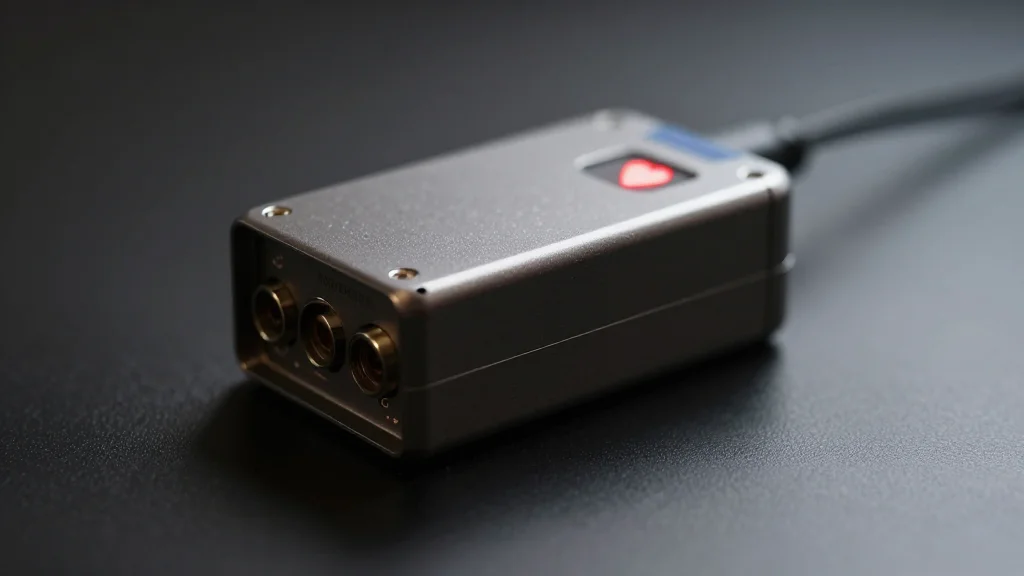
J&J Recalls Impella Controllers over Hardware Issues
Companies Mentioned
Why It Matters
A Class I recall signals a reasonable probability of severe patient harm, prompting hospitals to replace controllers promptly and potentially disrupting critical cardiac support procedures.
Key Takeaways
- •FDA classifies Impella controller recall as Class I
- •Four hardware flaws could cause boot failure or loss of support
- •Twist‑Lok cable retainers and PCB updates address the issues
- •No serious injuries reported as of April 14, 2026
- •Recall impacts all Abiomed Impella controllers sold since launch
Pulse Analysis
The Impella system, a percutaneous ventricular assist device, has become a mainstay in cardiac care for patients awaiting surgery or experiencing acute heart failure. Since Johnson & Johnson’s $16.6 billion acquisition of Abiomed in 2022, the company has expanded the platform’s market reach, positioning it alongside major competitors such as Medtronic and Abbott. The latest recall underscores the challenges of integrating sophisticated electronics into life‑support equipment, where even minor design tolerances can have outsized clinical consequences.
The FDA’s Class I designation reflects the agency’s assessment that the identified hardware defects—proximity of the video‑graphics‑array cable to the DSP chipset, unsecured flash‑memory cards, vulnerable fan‑wire connections, and an outdated PCB layout—pose a realistic risk of controller failure. Such failures could interrupt hemodynamic support, a scenario that may lead to rapid patient deterioration, especially in those heavily reliant on the device. Abiomed’s corrective actions, including the Twist‑Lok cable‑retention system and additional component reinforcements, aim to mitigate these risks, but they require hospitals to swap out existing units, potentially delaying treatment.
For healthcare providers, the recall triggers immediate operational and financial considerations. Facilities must inventory affected controllers, coordinate with Abiomed for replacements, and adjust procedural schedules to avoid gaps in patient support. The broader industry watches closely, as repeated recalls can erode confidence in a manufacturer’s quality assurance processes and influence purchasing decisions. Regulators, meanwhile, may tighten oversight of medical device software‑hardware integration, prompting manufacturers to adopt more rigorous pre‑market testing and post‑market surveillance protocols. Ultimately, the incident highlights the delicate balance between rapid innovation in cardiac assist technology and the uncompromising safety standards demanded by clinicians and patients alike.
J&J recalls Impella controllers over hardware issues
Comments
Want to join the conversation?
Loading comments...