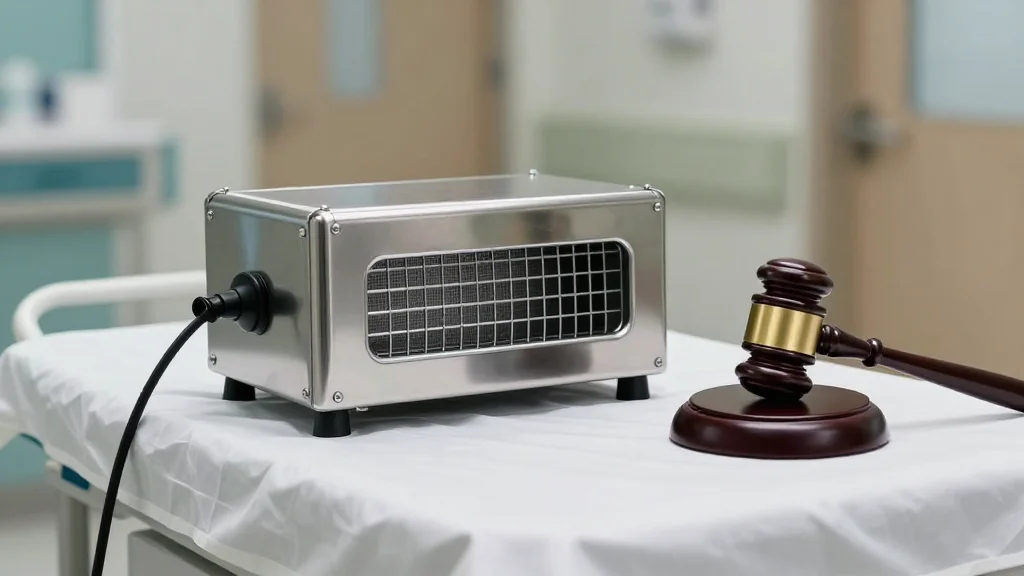
Jury Awards $7.65 Million After Fatal Heart‑Surgery Infection Linked to Contaminated Device

Why It Matters
The verdict highlights the growing legal and regulatory exposure of hospitals and medical‑device manufacturers when infection‑control failures lead to patient harm. It underscores the need for stricter oversight of sterilization protocols for equipment that interfaces directly with patients during invasive procedures. As more lawsuits surface, the industry may see a shift toward single‑use devices, increased investment in real‑time contamination monitoring, and possible revisions to FDA guidance, all of which could reshape cost structures and patient‑safety standards across U.S. hospitals. For patients and families, the case reinforces the importance of transparency around device safety and the potential for legal recourse when standards are breached. For investors, the outcome signals heightened risk for med‑tech firms whose products are implicated in infection outbreaks, potentially affecting valuations and prompting more rigorous compliance programs.
Key Takeaways
- •$7.65 million verdict awarded to widow and son of deceased patient
- •Fault split: 88% to University of Kansas Hospital Authority, 12% to LivaNova
- •Verdict includes $3 million for noneconomic personal‑injury loss
- •Case is one of over two dozen lawsuits alleging M. chimaera infections from heater‑cooler devices
- •FDA emphasizes continued use of devices but calls for stricter cleaning protocols
Pulse Analysis
The Kansas verdict arrives at a moment when the med‑tech sector is grappling with heightened scrutiny over device‑related infections. Historically, heater‑cooler units have been a silent vector for Mycobacterium chimaera, a pathogen that can remain dormant for years before manifesting as a fatal infection. The legal outcome forces hospitals to re‑evaluate legacy equipment inventories and may accelerate the adoption of single‑use heater‑cooler systems, despite their higher per‑procedure cost. For manufacturers like LivaNova, the 12% liability assignment, while modest, opens the door to further product‑liability claims and could pressure the company to invest in redesigns that mitigate aerosolization risks.
From a market perspective, the ruling could tighten the underwriting standards for hospitals seeking capital to upgrade operating‑room equipment. Insurers may raise premiums for facilities that retain older heater‑cooler models, and lenders could demand stricter compliance audits as a condition of financing. Meanwhile, investors may reassess exposure to med‑tech firms with product lines tied to invasive cardiac procedures, favoring those with robust post‑market surveillance and rapid response capabilities.
Looking ahead, the FDA is likely to issue more granular guidance on heater‑cooler maintenance, potentially mandating routine microbiological testing and real‑time monitoring of water tanks. Hospitals that proactively adopt these measures could differentiate themselves as safety leaders, while laggards risk not only litigation but also reputational damage. The Nolte case thus serves as both a cautionary tale and a catalyst for industry‑wide reforms aimed at safeguarding patients from preventable, device‑borne infections.
Jury Awards $7.65 Million After Fatal Heart‑Surgery Infection Linked to Contaminated Device
Comments
Want to join the conversation?
Loading comments...