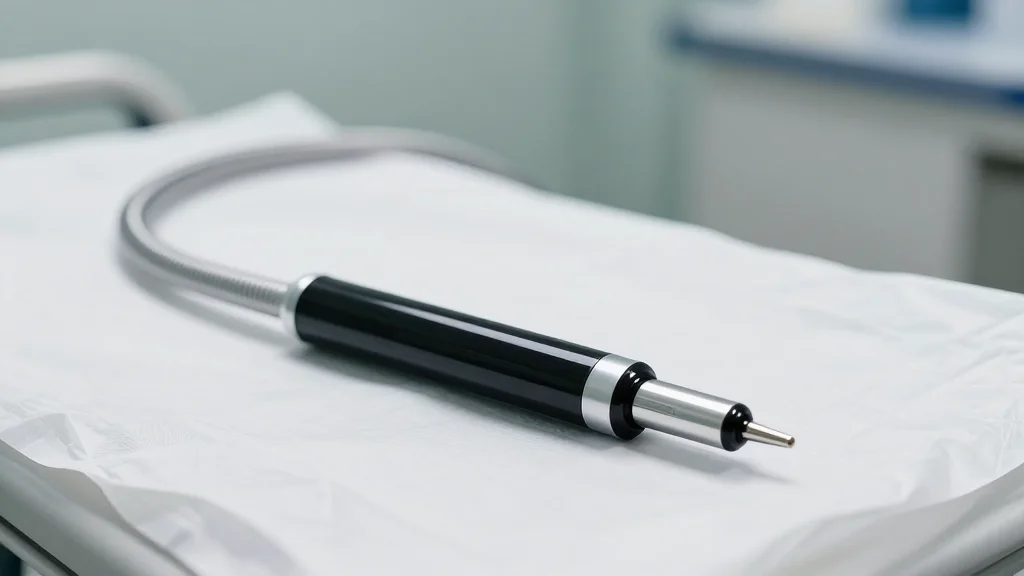
Kathy Griffin Hospitalized After Colonoscopy Complications Highlights Screening Risks

Companies Mentioned
Why It Matters
Colorectal cancer is the third most common cancer in the United States, and early detection via colonoscopy can reduce mortality by up to 90 percent. Griffin’s hospitalization underscores that while the procedure is a gold‑standard screening tool, it is not without risk. Public awareness of both benefits and potential complications can lead to more informed consent, better preparation, and prompt reporting of post‑procedure symptoms, ultimately improving patient outcomes. Celebrity health disclosures also have measurable effects on public health behavior. Studies have shown spikes in screening appointments following high‑profile announcements about cancer diagnoses or medical procedures. Griffin’s candid update may encourage individuals, especially those over 45, to schedule overdue colonoscopies, while also prompting providers to reinforce safety protocols and follow‑up instructions.
Key Takeaways
- •Kathy Griffin, 65, spent a night in the hospital after colonoscopy complications.
- •Griffin announced the incident via Instagram, using the quote, “I spent the night in the hospital because I had complications from my colonoscopy.”
- •The comedian previously disclosed a Stage 1 lung cancer diagnosis (2021) and a hysterectomy for a pre‑cancerous condition (2022).
- •Colonoscopy is recommended for adults over 45 to screen for colorectal cancer, but carries a low risk of perforation, bleeding, or infection.
- •Celebrity health stories can boost public screening rates and highlight the need for clear patient education on procedural risks.
Pulse Analysis
Griffin’s experience arrives at a moment when preventive health messaging is critical. The United States continues to lag behind many peer nations in colorectal cancer screening adherence, with roughly 65 percent of eligible adults up to date. High‑profile narratives like Griffin’s can serve as catalysts, nudging hesitant individuals toward scheduling colonoscopies. However, the flip side is the potential for heightened anxiety about procedural safety. Healthcare providers must balance the motivational impact of celebrity stories with clear, evidence‑based explanations of risk probabilities.
Historically, celebrity disclosures have driven measurable shifts in health behavior—most famously, the “Angelina Jolie effect” on BRCA testing. Griffin’s candid, humor‑tinged post may similarly normalize conversations about colon health, especially among demographics that feel detached from traditional medical messaging. The key for clinicians will be to leverage this moment to reinforce the importance of routine screening while ensuring patients understand warning signs that warrant immediate medical attention.
Looking ahead, the industry may see a modest uptick in colonoscopy appointments as a direct response to Griffin’s post. Hospitals and gastroenterology practices should prepare for increased demand by streamlining pre‑procedure education and post‑procedure follow‑up. Moreover, insurers could consider covering enhanced patient navigation services that address both the logistical and emotional aspects of screening. In sum, Griffin’s personal health episode, while unfortunate, offers a public‑health opportunity to advance colorectal cancer prevention through heightened awareness and improved patient support.
Kathy Griffin Hospitalized After Colonoscopy Complications Highlights Screening Risks
Comments
Want to join the conversation?
Loading comments...