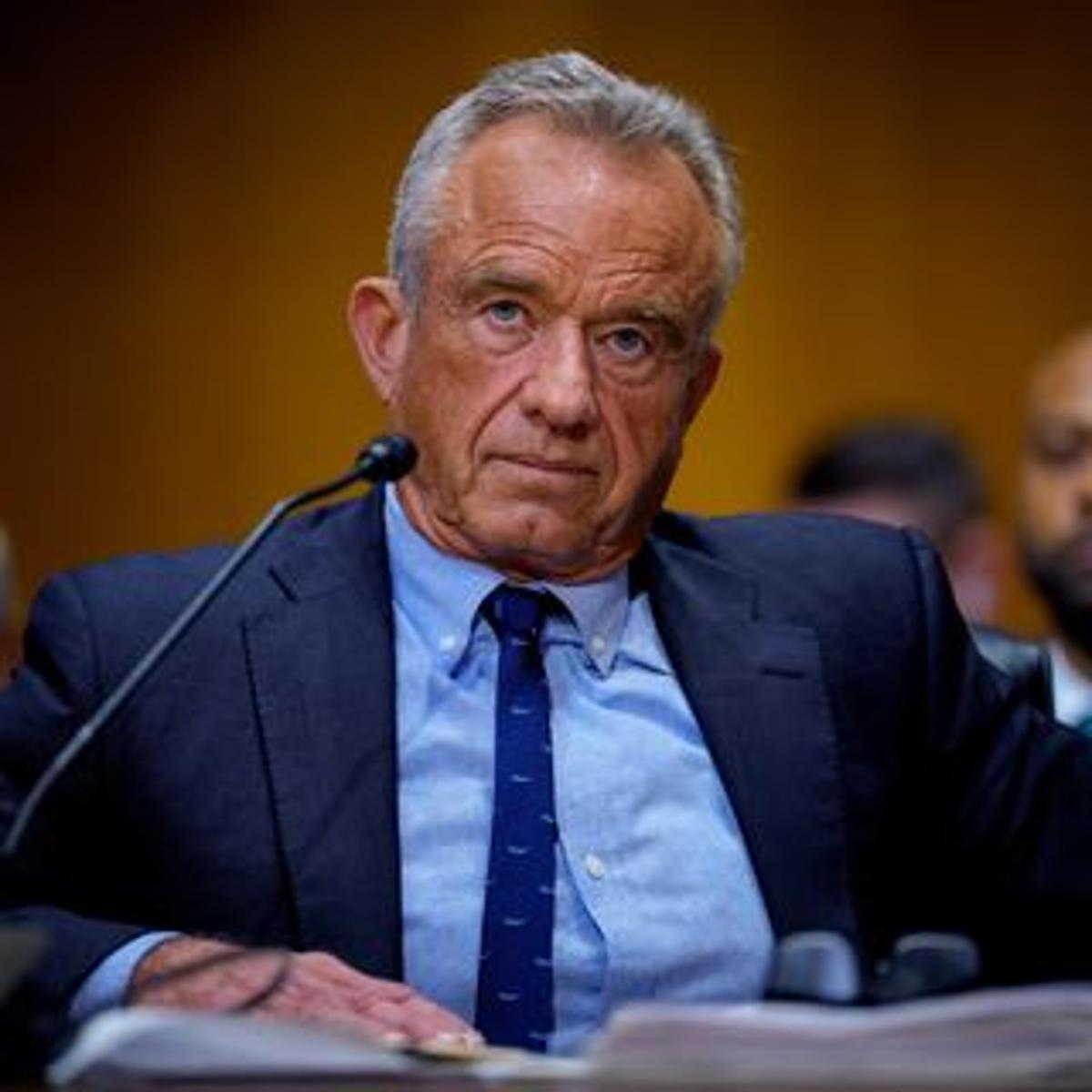
Kennedy Returns to Capitol Hill with Clout Diminished
Why It Matters
The hearings will determine whether Kennedy can retain sway over U.S. health policy amid legal setbacks and a White House shift toward mainstream priorities, directly affecting vaccine regulation and drug‑pricing reforms.
Key Takeaways
- •Kennedy's childhood vaccine schedule cut from 17 to 11 shots blocked by judge
- •CDC website now hints at debunked vaccine‑autism link, sparking congressional criticism
- •New drug‑pricing deals with 16 pharma firms highlighted as "historic wins"
- •Senior adviser Chris Klomp now acts as Kennedy's de facto chief of staff
- •Senate Appropriations chair will probe NIH grant continuity and CDC leadership
Pulse Analysis
Robert F. Kennedy Jr.'s upcoming congressional hearings arrive at a crossroads for the Trump administration's health agenda. After a series of controversial moves—including a dramatic reduction of recommended childhood vaccines and a CDC website edit that resurrects the discredited vaccine‑autism narrative—Kennedy has faced a federal judge's injunction and mounting political pressure. The hearings serve as a litmus test for his capacity to steer policy while the White House attempts to distance itself from the anti‑vaccine controversy and refocus on more palatable initiatives such as drug‑price caps and nutrition guidelines.
The stakes extend beyond Kennedy's personal credibility. Lawmakers from both parties are poised to question the legality and public‑health impact of the vaccine schedule overhaul, the withdrawal of the universal hepatitis B birth‑dose recommendation, and the broader reshaping of the CDC's messaging. Simultaneously, Senate and House appropriators will scrutinize the continuity of NIH funding, substance‑abuse grants, and the agency's leadership vacuum. With midterm elections looming, Republicans risk portraying Kennedy as a political liability, while Democrats aim to hold the administration accountable for perceived regulatory rollbacks.
For the health‑care industry, the outcome could reshape market dynamics. A reaffirmation of stricter vaccine guidelines would bolster biotech and vaccine manufacturers, whereas a retreat could embolden anti‑vax advocacy groups and complicate rollout plans for emerging therapies. Moreover, the highlighted drug‑pricing agreements with sixteen pharmaceutical firms signal a potential new equilibrium between regulators and the industry, offering a template for future price‑control negotiations. Stakeholders should monitor the hearings closely, as they will likely set the tone for federal health policy through the remainder of the election cycle.
Kennedy returns to Capitol Hill with clout diminished
Comments
Want to join the conversation?
Loading comments...