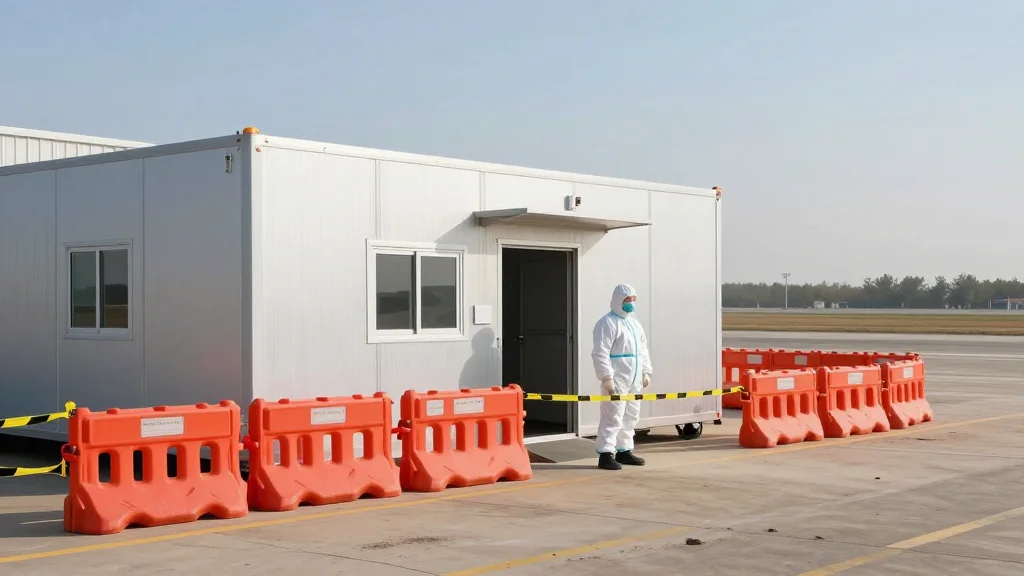
Kenya Halts US-Backed Ebola Facility After Contempt of Court Ruling
Why It Matters
The shutdown disrupts the U.S. strategy for managing Ebola‑exposed travelers, forcing a reassessment of overseas quarantine versus domestic biocontainment solutions, and underscores the legal and public‑health complexities of cross‑border disease control.
Key Takeaways
- •Kenya stops U.S.-funded 50‑bed Ebola quarantine at Laikipia Air Base.
- •Court injunction follows contempt ruling after construction continued despite May order.
- •Facility faced criticism for virus import risk and lack of public consultation.
- •U.S. now lacks clear plan for quarantining exposed Americans abroad.
- •Ebola outbreak in DRC sees over 1,000 cases, no approved vaccine.
Pulse Analysis
The legal showdown in Kenya highlights how national sovereignty and public‑health policy can clash when foreign governments fund disease‑control infrastructure abroad. By halting the Laikipia Air Base project, Kenyan courts emphasized procedural transparency and the need to assess epidemiological risks before importing a quarantine facility. This decision not only stalls a high‑profile U.S. initiative but also signals to other nations that external health projects must align with domestic legal frameworks and community consent.
For the United States, the impasse forces a rapid pivot back to its existing network of high‑containment hospitals, which were designed for pathogens like Ebola. Experts have long argued that leveraging these purpose‑built units is more secure than exporting patients to foreign sites with uncertain infection‑control standards. The controversy revives debate over the cost‑effectiveness and ethical implications of overseas quarantine, especially when the targeted Bundibugyo strain lacks an approved vaccine or treatment. Policymakers must now weigh the logistical challenges of repatriating exposed citizens against the diplomatic fallout of abandoning a partner nation’s facilities.
Meanwhile, the broader Ebola outbreak in the Democratic Republic of Congo continues to surge, with over 1,000 confirmed cases and a 38% weekly increase, underscoring the urgency of coordinated regional responses. Neighboring Uganda reports additional cases, amplifying cross‑border transmission risks. The Kenyan court’s injunction may inadvertently slow the spread by preventing a potentially unsafe quarantine hub, but it also leaves a gap in the global containment strategy. As the July hearing approaches, stakeholders from health agencies, NGOs, and governments will need to negotiate a solution that balances legal authority, public safety, and the imperative to contain a deadly virus.
Kenya halts US-backed Ebola facility after contempt of court ruling
Comments
Want to join the conversation?
Loading comments...