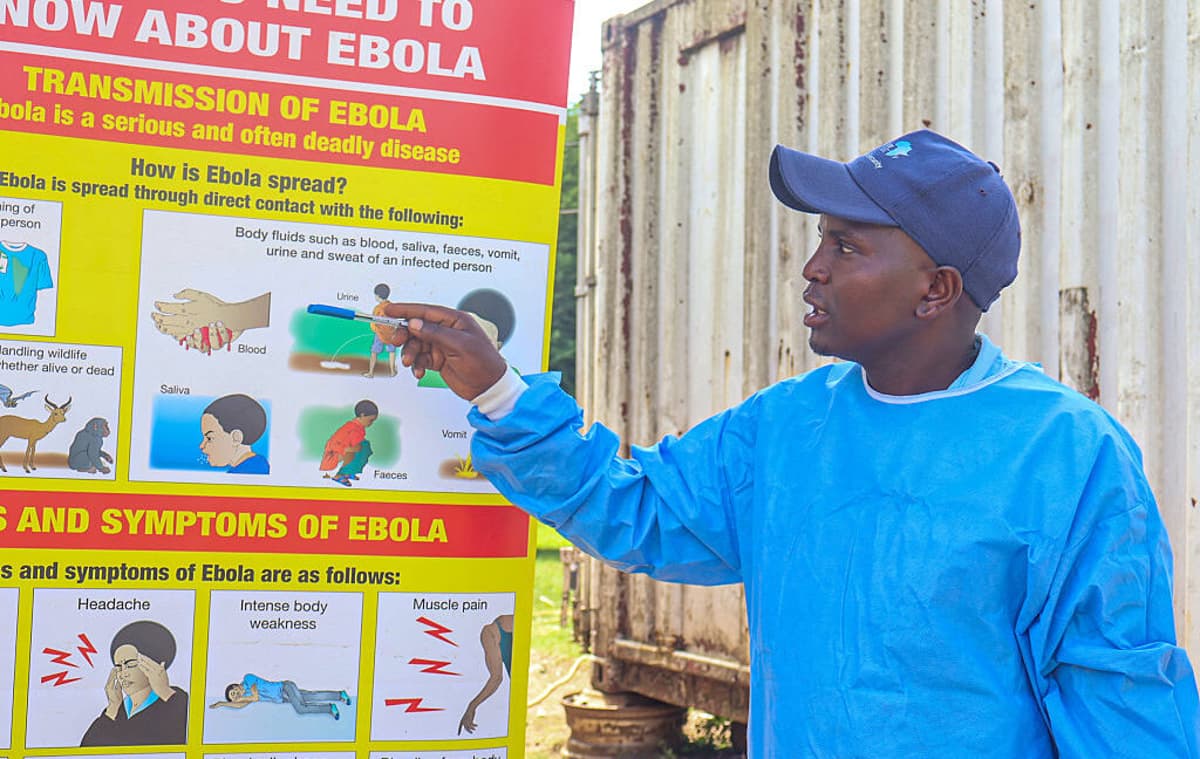
Kenyan Court Blocks Trump Admin From Dumping Ebola-Exposed Americans There
Why It Matters
The ruling forces the U.S. to reassess its emergency repatriation strategy, exposing gaps in pandemic preparedness and diplomatic coordination. It also underscores the legal and political risks of imposing health measures on sovereign nations without transparency.
Key Takeaways
- •Kenyan high court halts U.S. Ebola quarantine plan
- •Katiba Institute challenges facility on constitutional grounds
- •U.S. seeks alternative evacuation to Europe for exposed citizens
- •DRC Ebola outbreak reports over 1,000 cases and 240 deaths
- •Trump administration faces criticism for abandoning WHO and USAID
Pulse Analysis
The Democratic Republic of the Congo’s Ebola surge, now exceeding 1,000 reported cases, has forced the United States to confront a logistical nightmare: how to care for citizens exposed abroad. Historically, the U.S. has relied on specialized treatment centers at home, successfully containing eleven cases without secondary transmission. This time, officials proposed a rapid‑deployment quarantine in Kenya’s Laikipia region, leveraging the nearby U.S. air base to expedite care. However, the plan’s secrecy and lack of local consultation triggered swift legal opposition.
Kenya’s high court injunction reflects deeper tensions between emergency health measures and national sovereignty. The Katiba Institute’s petition emphasizes constitutional guarantees—life, health, due process, and parliamentary oversight—arguing that a foreign‑run facility sidesteps these protections. The legal setback forces Washington to pivot, now eyeing European hospitals for evacuation, a costly and logistically complex alternative. The episode also spotlights the Trump administration’s broader retreat from multilateral health institutions, including its withdrawal from the WHO and cuts to USAID, eroding diplomatic goodwill and collaborative response capacity.
Beyond the immediate crisis, the incident raises questions about global health security architecture. When a major power unilaterally imposes quarantine infrastructure in another country, it risks undermining trust essential for coordinated outbreak responses. Future strategies will likely demand transparent agreements, joint oversight, and respect for host‑nation laws to avoid similar roadblocks. For policymakers, the lesson is clear: effective pandemic preparedness must balance rapid medical intervention with robust diplomatic engagement, ensuring that health emergencies do not become flashpoints for legal and political conflict.
Kenyan court blocks Trump admin from dumping Ebola-exposed Americans there
Comments
Want to join the conversation?
Loading comments...