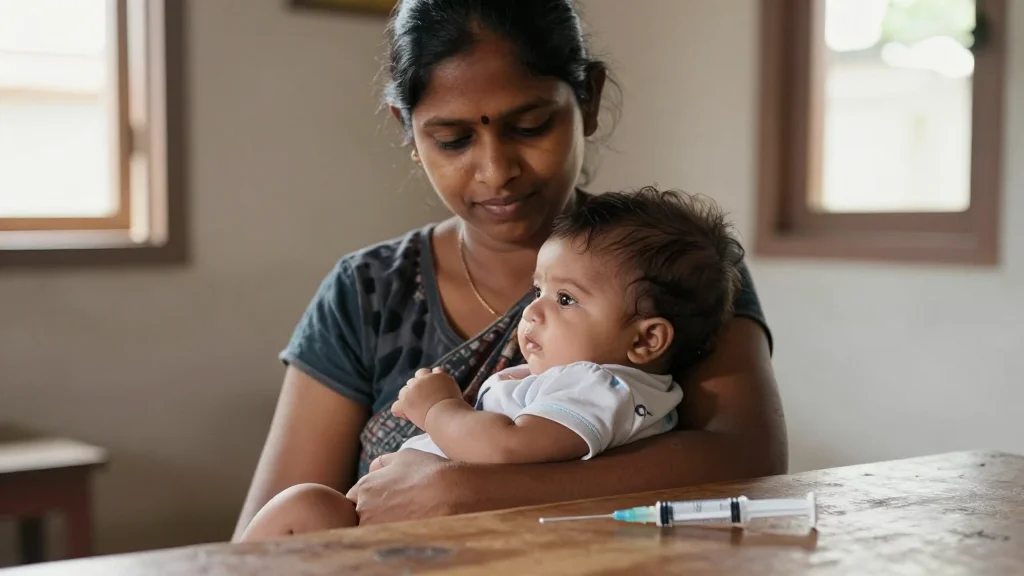
Knowledge, Perception and Reporting Attitudes of Adverse Events Following Immunization Among Parents of Infants in Rural Area, Sri Lanka: A Community-Based Cross-Sectional Study
Why It Matters
Underreporting of serious AEFIs can weaken surveillance, jeopardizing vaccine confidence and public health outcomes in low‑resource settings.
Key Takeaways
- •73% parents showed adequate overall AEFI knowledge.
- •Only 48% recognized severe reactions like anaphylaxis.
- •Reporting rate among affected parents was just 57%.
- •Higher knowledge linked to age, education, income, infant age.
Pulse Analysis
Adverse events following immunization are a cornerstone of vaccine safety monitoring worldwide. Robust AEFI reporting enables health authorities to detect rare but serious reactions, adjust schedules, and maintain public trust. In low‑ and middle‑income countries, however, surveillance systems often rely on passive reporting and face barriers such as limited health‑worker training, cultural misconceptions, and inadequate communication channels. Sri Lanka’s national immunization program, praised for high coverage, must therefore ensure that community awareness translates into timely reporting to safeguard its achievements.
The recent community‑based survey in the Buttala MOH area sheds light on this challenge. While 73 % of 393 parents demonstrated adequate overall knowledge, only 48 % could identify severe AEFIs such as anaphylaxis or convulsions, indicating a critical knowledge gap. Demographic analysis revealed that parents over 30, with secondary education or higher, and higher household income were nearly three times more likely to possess adequate knowledge. Yet, even among those who experienced an AEFI, just 57 % reported it, underscoring a disconnect between confidence in the program (94.9 %) and reporting behavior.
Bridging this gap calls for targeted risk‑communication strategies that emphasize the importance of reporting even mild events, as they can signal emerging safety signals. Community health workers and public‑health midwives should be equipped with simple reporting tools, possibly mobile‑based, to lower the threshold for parents. Policymakers could also integrate AEFI education into antenatal and post‑natal visits, tailoring messages to younger, less‑educated caregivers who are currently underserved. Strengthening passive and active surveillance will not only improve data quality but also reinforce confidence in Sri Lanka’s immunization efforts and serve as a model for similar settings.
Knowledge, perception and reporting attitudes of adverse events following immunization among parents of infants in rural area, Sri Lanka: a community-based cross-sectional study
Comments
Want to join the conversation?
Loading comments...