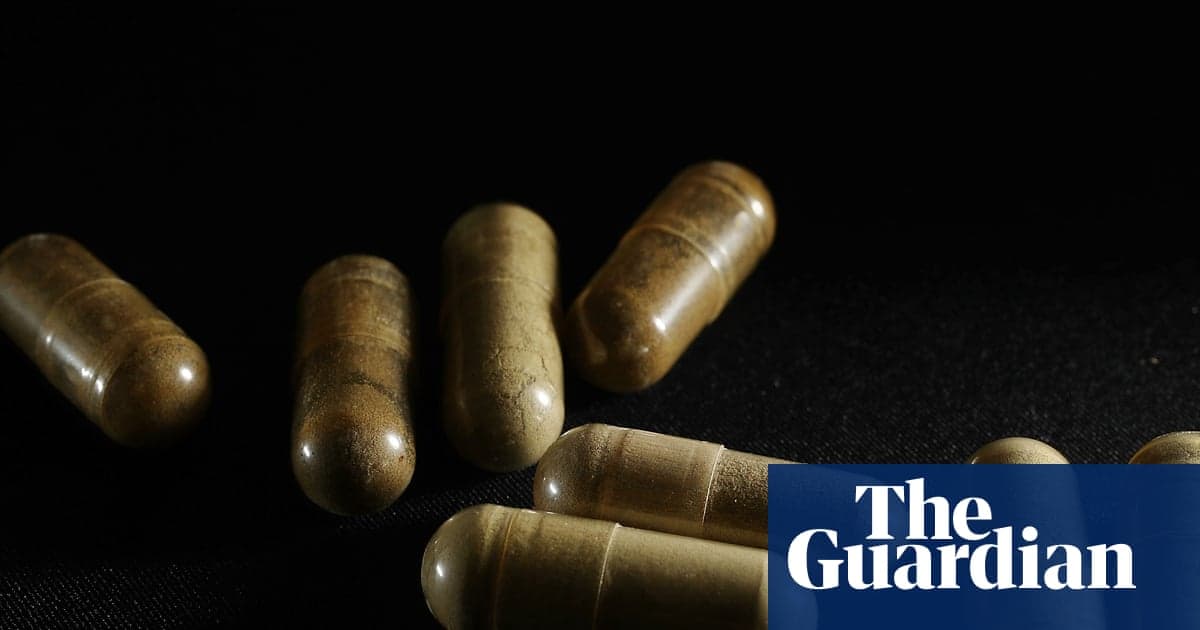
Kratom Poisonings Soar in US as Experts Blame Synthetic Versions and Caution Against Bans
Why It Matters
Synthetic kratom derivatives are driving a public‑health surge, while prohibitive bans risk eliminating a low‑risk alternative for pain and addiction treatment. Targeted regulation could protect consumers without stifling therapeutic use.
Key Takeaways
- •CDC records 1,200% rise in kratom poisonings since 2016
- •Synthetic 7‑OH linked to most recent poisoning surge
- •Natural kratom shows minimal serious adverse effects in studies
- •Half of users cite chronic pain relief; 40% use for recovery
- •Experts urge regulation of 7‑OH, not blanket kratom bans
Pulse Analysis
The recent CDC data showing a 1,200% jump in kratom‑related poisonings has reignited the debate over how the market should be policed. While the headline numbers suggest a crisis, researchers point to the rapid infiltration of synthetic 7‑hydroxymitragynine (7‑OH) into energy drinks and dietary supplements since 2024 as the primary driver. Unlike the plant‑derived Mitragyna speciosa, 7‑OH mimics opioid pharmacology, causing respiratory depression and heightened addiction potential. This distinction is crucial for regulators, who must separate the risks of a lab‑crafted alkaloid from the historically low‑risk profile of natural kratom.
Natural kratom has accumulated a modest safety record across animal and limited human trials, with the most common side effect being mild vomiting. Users, many battling chronic pain or opioid withdrawal, report functional relief without the euphoric high typical of opioids. Clinicians note that kratom’s multi‑receptor activity—partial opioid, adrenergic, and serotonergic—offers a hybrid effect that can reduce pain and improve mood. However, the market is not without flaws: heavy‑metal contamination and occasional adulteration with fentanyl have been documented, underscoring the need for quality standards rather than outright prohibition.
Policy makers now face a nuanced challenge: curb the distribution of dangerous synthetic analogues while preserving access to the natural plant for patients who lack effective alternatives. Targeted scheduling of 7‑OH, mandatory testing for contaminants, and clear labeling could mitigate poisoning spikes without dismantling a self‑medication pathway for millions. Such a calibrated approach would balance public‑health safety with the therapeutic promise that kratom continues to represent for pain management and opioid‑use disorder recovery.
Kratom poisonings soar in US as experts blame synthetic versions and caution against bans
Comments
Want to join the conversation?
Loading comments...