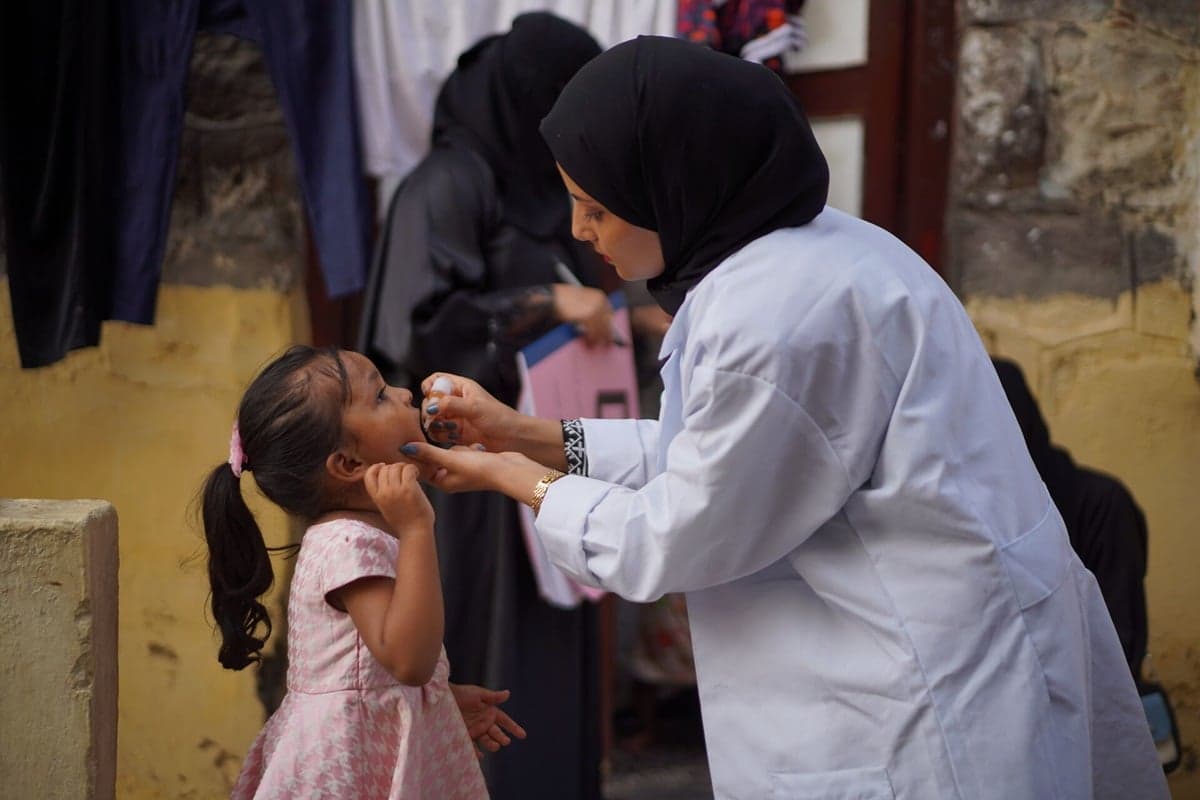
Largest Catch-Up Initiative Delivers over 100 Million Childhood Vaccinations
Why It Matters
BCU demonstrates that coordinated, well‑funded campaigns can rapidly reduce immunity gaps, but lasting protection depends on robust routine vaccination systems, a critical factor for global health security and disease‑eradication goals.
Key Takeaways
- •BCU delivered 100M vaccine doses to 18.3M children across 36 countries
- •12.3M zero‑dose children aged 1‑5 received their first vaccinations
- •15M children got measles vaccine for the first time
- •Ethiopia, Nigeria, and 10 other nations reached >60% of zero‑dose kids
- •Routine immunization remains essential to sustain gains and prevent outbreaks
Pulse Analysis
The COVID‑19 pandemic disrupted routine immunisation services worldwide, creating a surge of zero‑dose children who missed critical early‑life vaccines. In response, Gavi, WHO and UNICEF launched the Big Catch‑Up (BCU) in 2023, a multi‑year effort that mobilised donor funding, technical assistance and on‑the‑ground health‑worker training. By March 2026 the initiative had administered over 100 million doses—covering DTP, measles, polio and other essential antigens—to 18.3 million children, including 12.3 million who had never received any vaccine. This scale‑up not only narrowed immediate immunity gaps but also provided a proof‑of‑concept for rapid, large‑scale vaccine delivery in fragile settings.
Beyond sheer numbers, BCU targeted equity by focusing on the 36 participating countries that host roughly 60 % of the world’s zero‑dose population. Nations such as Ethiopia and Nigeria integrated catch‑up activities into existing routine‑care pathways, updating age‑eligibility policies and training health workers to identify missed children up to age five. These systemic changes are expected to outlast the campaign, enabling health ministries to sustain higher coverage rates and improve outbreak preparedness, especially for measles, which has seen a resurgence with 11 million cases projected in 2024.
Looking ahead, the gains from BCU must be cemented through stronger routine immunisation infrastructure, domestic financing and continued donor commitment. The initiative aligns with the Immunisation Agenda 2030 and Gavi’s 2026‑2030 strategy, both of which prioritise reaching zero‑dose children and building resilient health systems in conflict‑affected or underserved regions. Failure to maintain momentum could reverse progress, leading to preventable disease outbreaks and higher child mortality, underscoring the urgency of integrating catch‑up successes into long‑term national vaccination programs.
Largest catch-up initiative delivers over 100 million childhood vaccinations
Comments
Want to join the conversation?
Loading comments...