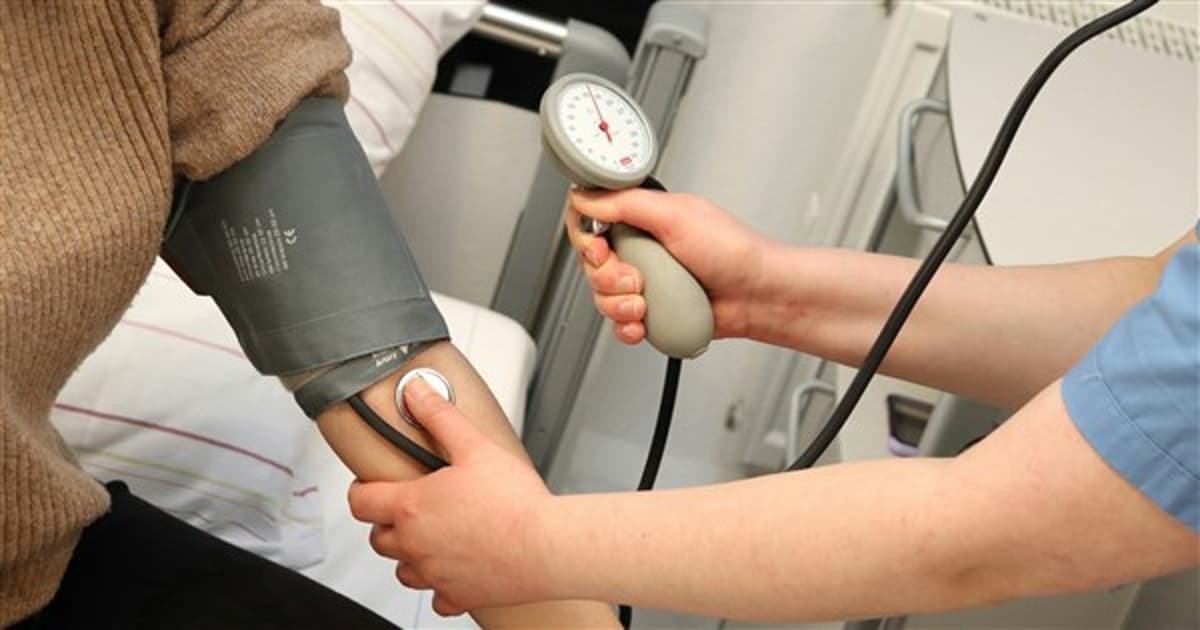
Legislature Writes Nurse-to-Patient Ratios Into Law, Adds Penalty Clause
Why It Matters
The mandate seeks to reduce nurse burnout, improve patient safety, and create enforceable staffing standards that could reshape Taiwan's healthcare labor market.
Key Takeaways
- •Legal nurse‑to‑patient ratios enforce MOHW 2024 targets.
- •Fines up to NT$2 million (~US$63,800) for medical centers.
- •Repeated violations can trigger up to one‑year hospital shutdown.
- •Advisory committee nurse representation split between DPP (1/3) and TPP (≥1/2).
- •Only 190,000 of 300,000 licensed nurses currently active.
Pulse Analysis
Taiwan’s new statutory nurse‑to‑patient ratios arrive amid a global reckoning over healthcare staffing. After years of advocacy, the Ministry of Health and Welfare introduced target ratios in 2024 to address chronic understaffing that has driven many nurses to leave the profession. With roughly 190,000 of the island’s 300,000 licensed nurses actively working, the policy aims to balance patient safety with realistic labor supply, mirroring trends seen in Europe and the United States where legislated staffing levels are becoming more common.
The law sets clear benchmarks: 1:6 for day shifts in medical centers, scaling to 1:15 for night shifts in district hospitals, with periodic three‑year reviews. Non‑compliant facilities now face a tiered fine structure—up to NT$250,000 for district hospitals, NT$1 million for regional hospitals, and NT$2 million for medical centers—plus the threat of a one‑year operational suspension after three violations. These penalties give hospitals a financial incentive to invest in recruitment and retention, while also providing a measurable enforcement tool for regulators. Implementation will require robust staffing analytics and may spur technology adoption for real‑time nurse allocation.
Beyond immediate compliance, the legislation could reshape Taiwan’s healthcare labor market. By formalizing staffing ratios, hospitals may accelerate hiring, improve working conditions, and reduce turnover, potentially narrowing the gap between licensed and active nurses. The move also positions Taiwan alongside jurisdictions like California and the UK that have enacted similar mandates, offering a case study for other Asian economies grappling with nursing shortages. As the policy matures, its impact on patient outcomes, cost structures, and regional competitiveness will be closely watched by industry analysts and policymakers alike.
Legislature writes nurse-to-patient ratios into law, adds penalty clause
Comments
Want to join the conversation?
Loading comments...