Lessons The United States Can Apply From COVID-19 To The Andes Hantavirus Outbreak
Why It Matters
The U.S. must act swiftly to prevent a localized outbreak from escalating into a broader health emergency, and the approach will set a precedent for handling future zoonotic threats. Effective, evidence‑based response safeguards public confidence and reduces costly disruptions.
Key Takeaways
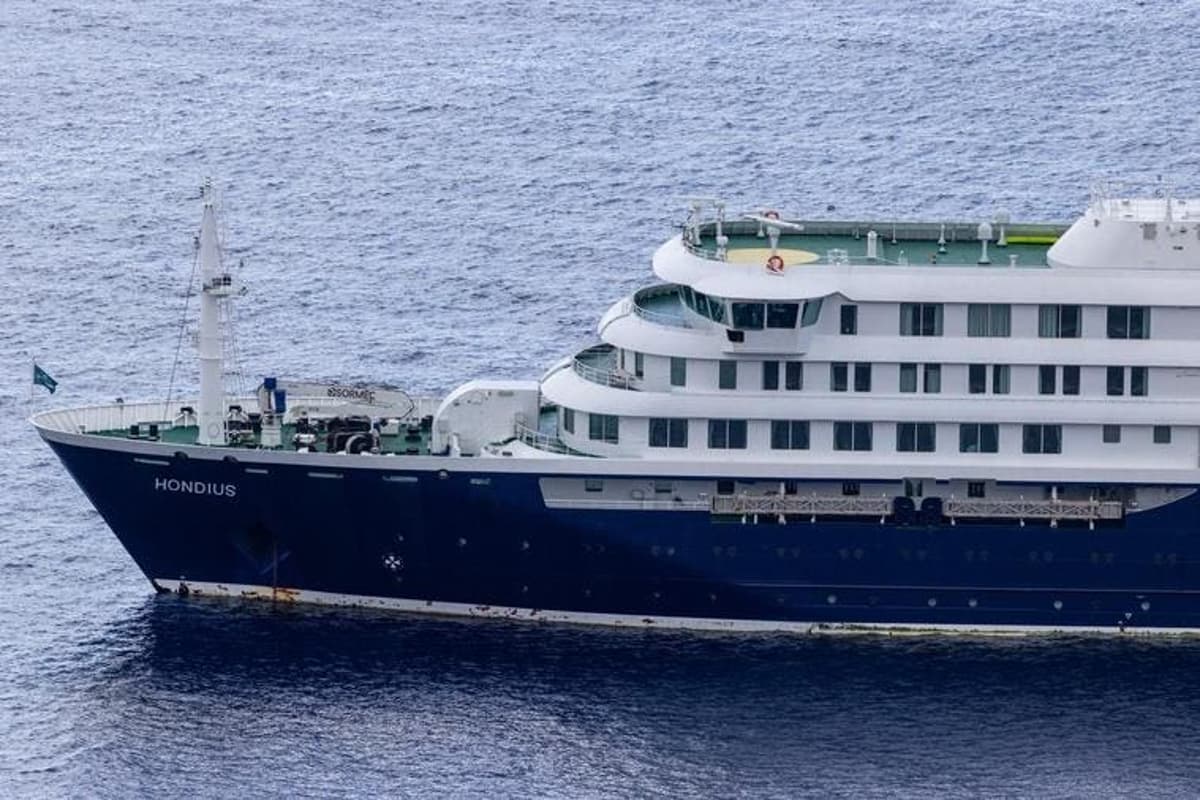
- •Three deaths, nine cases linked to Andes hantavirus on MV Hondius.
- •Andes strain uniquely spreads person‑to‑person, unlike most hantaviruses.
- •Transparent, consistent messaging builds public trust during emerging health crises.
- •Early contact tracing can interrupt transmission before community spread.
- •Targeted isolation of confirmed cases avoids unnecessary societal disruption.
Pulse Analysis
The Andes strain of hantavirus, first identified in South America, differs from most hantaviruses because it can spread directly from person to person. This characteristic surfaced dramatically on April 24, 2026 when three crew members aboard the Dutch‑flagged cruise liner MV Hondius died and nine additional passengers tested positive, according to the European Center for Disease Prevention and Control. While traditional hantavirus infections are usually confined to rodent exposure, the Andes variant’s transmissibility raises alarms for health authorities worldwide, especially in a mobile setting like a cruise ship.
The COVID‑19 pandemic taught U.S. officials that inconsistent messaging erodes trust, while delayed contact tracing fuels spread. Applying those lessons, federal agencies should issue clear, unified updates on the hantavirus situation and launch immediate surveillance of all exposed individuals. Because the Andes strain spreads less efficiently than SARS‑CoV‑2, a precision approach—isolating confirmed cases and closely monitoring high‑risk contacts—can curb transmission without imposing broad lockdowns. Early, data‑driven interventions also buy time for researchers to assess the pathogen’s behavior and for clinicians to prepare appropriate care protocols.
For the United States, a science‑first response is essential to preserve credibility and avoid the politicization that hampered vaccine uptake during COVID‑19. Coordinating with the World Health Organization’s 42‑day quarantine guidance and leveraging domestic public‑health infrastructure can contain the outbreak while keeping economic activity on cruise lines and ports largely intact. Moreover, the episode underscores the need for a permanent, flexible framework to address emerging zoonoses, ensuring rapid mobilization of resources, transparent communication, and cross‑border cooperation before the next pandemic threat materializes.
Lessons The United States Can Apply From COVID-19 To The Andes Hantavirus Outbreak
Comments
Want to join the conversation?
Loading comments...