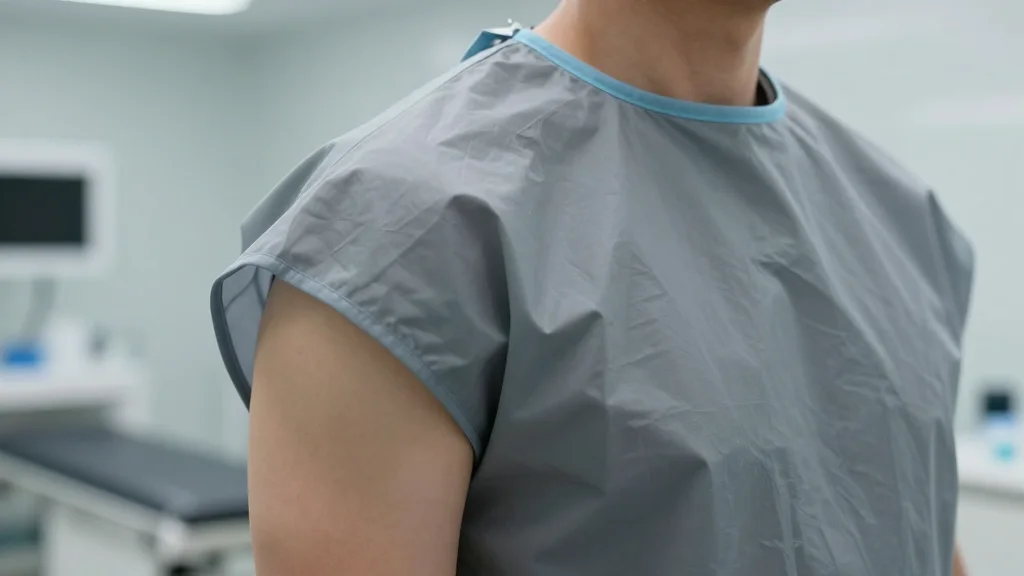
Lighter X-Ray Aprons Could Spare Health Care Workers From Chronic Pain
Why It Matters
Lighter, lead‑free aprons reduce chronic musculoskeletal injuries and toxic exposure, improving worker safety and potentially lowering healthcare staffing costs.
Key Takeaways
- •New tungsten‑nanocomposite cuts apron weight by ~90%
- •Provides equivalent X‑ray attenuation to traditional lead aprons
- •Eliminates lead dust exposure for radiology staff
- •Flexible polymer improves comfort, may extend workers’ careers
- •Researchers eye applications in gamma‑ray and EM shielding
Pulse Analysis
Radiology departments have relied on lead‑lined aprons for decades, but the 3‑5 kg garments impose a physical burden on technicians who wear them for hours each shift. Chronic back and neck pain is a documented occupational hazard, and microscopic lead dust shed from the material poses inhalation risks linked to cardiovascular and neurological damage. As health‑care facilities grapple with staff retention and safety compliance, the industry has been searching for a lighter, non‑toxic alternative that does not compromise radiation protection.
The University of Waterloo team solved the dilemma by engineering a tungsten‑based nanocomposite. Tiny rod‑shaped tungsten particles are dispersed in a silicone‑based polymer and organized into concentration gradients, preserving X‑ray attenuation while slashing overall density. Laboratory tests at Grand River Hospital showed the new sheets block the same spectrum of diagnostic X‑rays as conventional lead, yet the resulting apron weighs roughly one‑tenth of the original. The polymer’s flexibility eliminates the stiff feel of lead, reducing strain on the wearer’s musculoskeletal system.
Beyond immediate ergonomic benefits, the breakthrough could reshape the protective‑equipment market. Manufacturers can market lighter aprons without the regulatory burdens associated with hazardous lead, potentially lowering production costs and simplifying disposal. The same nanocomposite platform is already being explored for gamma‑ray shielding in nuclear facilities and for electromagnetic interference protection in consumer electronics, suggesting a versatile material family. If clinical adoption accelerates, hospitals may see reduced worker injury claims and longer career spans for radiology staff, while regulatory agencies gain a safer alternative to a century‑old standard.
Lighter X-ray aprons could spare health care workers from chronic pain
Comments
Want to join the conversation?
Loading comments...