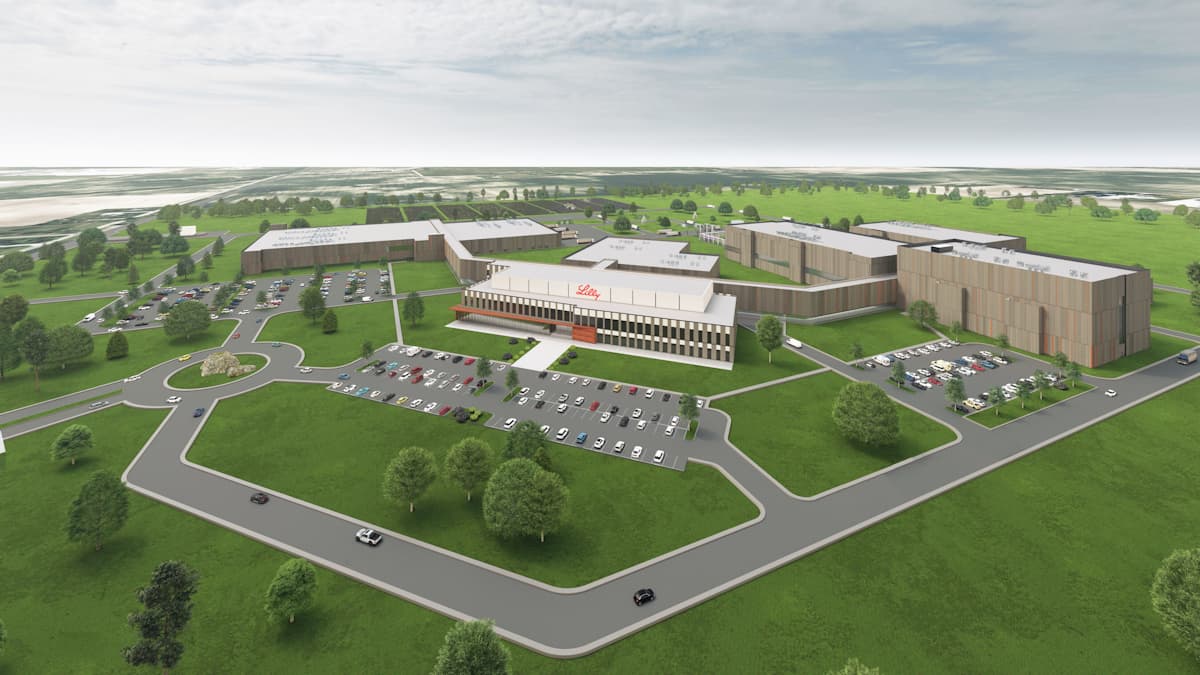
Lilly Inflates US Facility Investment Spending by $4.5bn
Companies Mentioned
Why It Matters
The added investment strengthens Lilly’s domestic manufacturing capacity, reducing reliance on imported ingredients and positioning the company to meet soaring demand for its next‑generation obesity and diabetes therapies.
Key Takeaways
- •Lilly adds $4.5 bn to Indiana investment, total $21 bn since 2020
- •New Lebanon Advanced Therapies plant focuses on genetic‑medicine manufacturing
- •API site slated for 2027 will be largest US API facility ever
- •Expansion counters tariff risk and reduces reliance on foreign drug ingredients
- •Parallel US builds include $3.5 bn Pennsylvania weight‑loss plant, $5 bn Virginia antibody site
Pulse Analysis
Lilly’s $4.5 billion infusion into its Indiana footprint underscores a strategic pivot toward reshoring pharmaceutical production. After a $27 billion commitment last year to blunt the impact of potential U.S. tariffs on imported medicines, the company is now deepening its domestic footprint. The move aligns with a broader industry trend where big‑pharma firms are building large, high‑tech facilities on U.S. soil to safeguard supply chains and respond to political pressure to reduce reliance on foreign APIs, especially from China.
The Lebanon campus will become a hub for advanced therapeutics, housing the new Advanced Therapies plant that manufactures genetic‑medicine products for both clinical trials and commercial launch. Complementary facilities slated for completion by 2027 will include an API production line—targeting tirzepatide‑based obesity and diabetes drugs—and the Lilly Medicine Foundry, a center for next‑generation drug development. By consolidating these capabilities, Lilly can accelerate time‑to‑market for high‑margin products like its oral obesity therapy Foundayo, while also ensuring a secure supply of critical ingredients.
Lilly’s aggressive U.S. capital program mirrors actions by peers such as Pfizer and Johnson & Johnson, which are also expanding domestic capacity. The cumulative effect is a reshaping of the American pharma landscape, creating jobs, stimulating local economies, and potentially lowering drug costs through reduced import fees. As the largest API site in U.S. history prepares to open, the industry may see a shift toward more resilient, vertically integrated manufacturing models, positioning companies that invest now to capture market share in the burgeoning obesity‑treatment market.
Lilly inflates US facility investment spending by $4.5bn
Comments
Want to join the conversation?
Loading comments...