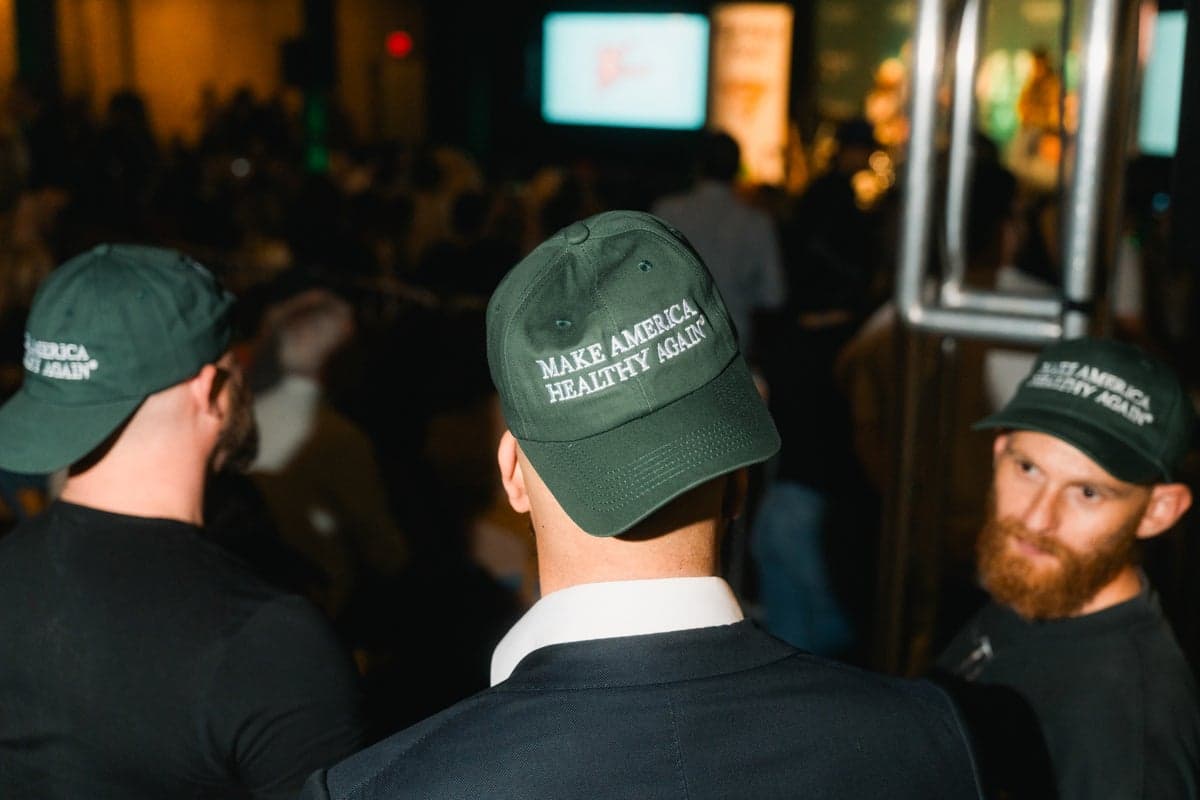
MAHA Voters Support Lower Health Care Costs Above Vaccine Safety and Limitation of Pesticides, Poll Finds
Why It Matters
The finding signals that cost‑of‑care will dominate the MAHA agenda and could reshape the 2026 election, pressuring candidates to propose price‑control measures. It also underscores the political viability of health‑care reform beyond partisan divides.
Key Takeaways
- •42% of MAHA voters prioritize lower health‑care costs.
- •Only 10% rank vaccine safety as top issue.
- •56% say health‑care costs will heavily influence 2026 vote.
- •Support spans Republicans, Independents, and Democrats.
Pulse Analysis
The Make America Healthy Again (MAHA) coalition, propelled by Robert F. Kennedy Jr., has become a flashpoint in the national health debate, blending lifestyle advocacy with controversial stances on vaccines and food additives. KFF’s April 2026 poll surveyed 1,300+ adults who identify with MAHA, revealing that cost containment eclipses all other issues for the base. By quantifying a clear hierarchy—42% for lower health‑care costs, 21% for reducing chemical additives, and only 10% for re‑examining vaccine safety—the study provides the first data‑driven snapshot of the movement’s policy preferences.
America’s health‑care spending, at roughly $15,000 per capita in 2024, dwarfs that of affluent peers such as Switzerland ($10,000), Germany ($9,400) and the Netherlands ($8,400). Prescription‑drug prices are nearly three times higher than in comparable markets, a gap that fuels public frustration and fuels calls for price‑capping or bulk‑buying reforms. The KFF poll confirms that these cost differentials are not abstract statistics for MAHA voters; they translate into a tangible electoral lever that could push legislators toward aggressive pricing legislation.
With 56% of respondents saying health‑care costs will heavily influence their 2026 midterm vote, candidates cannot ignore the issue without risking turnout losses. The cross‑party nature of the concern—57% of Democratic and 40% of Republican MAHA supporters—suggests a rare bipartisan rallying point that could reshape campaign narratives and legislative bargaining. Lawmakers may therefore prioritize bipartisan proposals such as allowing Medicare to negotiate drug prices, expanding price‑transparency rules, or incentivizing generic competition, turning cost‑of‑care from a peripheral talking point into a decisive electoral issue.
MAHA voters support lower health care costs above vaccine safety and limitation of pesticides, poll finds
Comments
Want to join the conversation?
Loading comments...