Major Depression Remains ‘Usually Undertreated’ in Rheumatology
Why It Matters
Untreated depression amplifies pain and undermines therapeutic response, driving higher healthcare utilization and lower quality of life for rheumatology patients. Early identification can improve clinical outcomes and reduce long‑term costs.
Key Takeaways
- •60% of depressed patients report pain at diagnosis
- •Depression predicts chronic pain persistence over 8 years
- •Depressed patients face double risk of headaches, chest and musculoskeletal pain
- •Undiagnosed depression often leads to poor rheumatology outcomes
- •Rheumatologists urged to screen for depression when treatment stalls
Pulse Analysis
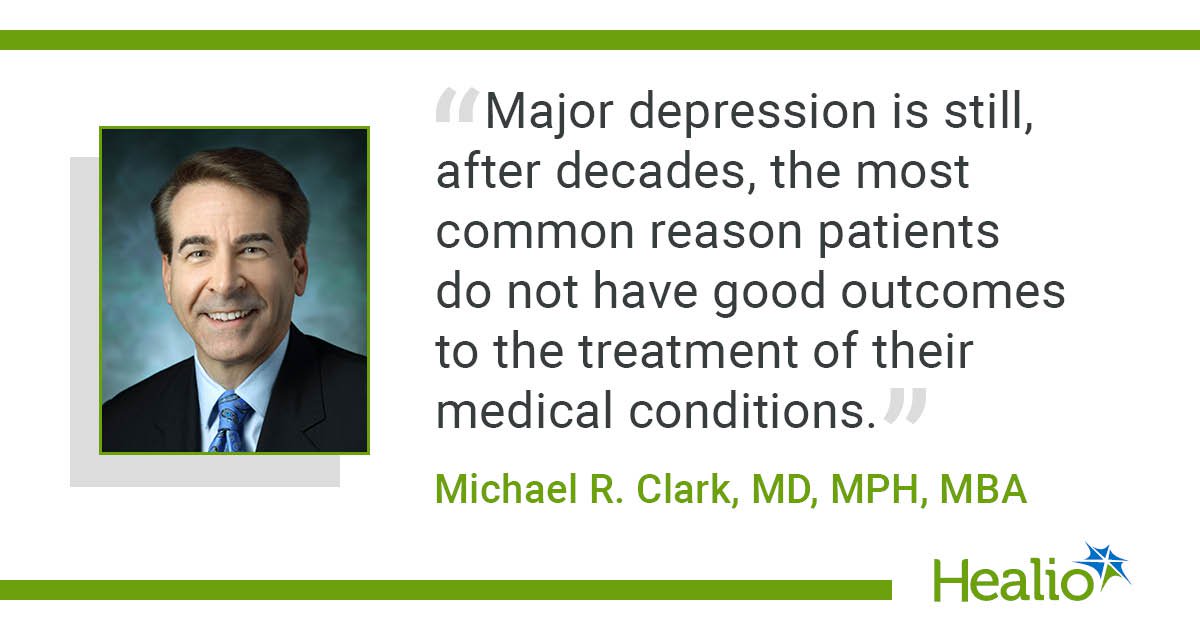
Research presented at the Congress of Clinical Rheumatology East underscores a sobering reality: major depression is a common comorbidity in patients with rheumatic diseases, yet it remains largely invisible to treating physicians. Dr. Michael R. Clark reported that roughly 60 % of individuals diagnosed with depression also experience pain symptoms at the time of diagnosis, and that depression was the single best predictor of chronic pain persistence over an eight‑year follow‑up. These figures place mental health on equal footing with traditional disease markers in shaping patient trajectories.
The clinical consequences of this undertreatment are profound. Patients whose depressive symptoms go unaddressed exhibit a two‑fold increase in adverse outcomes such as chronic daily headaches, atypical chest pain, musculoskeletal discomfort, and low back pain. This amplification of physical symptoms not only diminishes quality of life but also drives higher utilization of imaging, specialist visits, and prescription medications, inflating overall healthcare costs. Behavioral stigma, limited training in mental‑health assessment, and fragmented care pathways are among the systemic barriers that keep depression under‑treated in rheumatology settings.
To break this cycle, experts recommend a pragmatic screening algorithm: when disease‑modifying therapies fail to produce measurable progress, clinicians should flag the patient for depression evaluation. Validated tools such as the PHQ‑9 can be administered during routine visits, and collaborative care models that pair rheumatologists with mental‑health professionals have shown promise in improving adherence and pain outcomes. By integrating behavioral interventions early, providers can address the root psychological drivers of pain, ultimately enhancing functional recovery and reducing long‑term economic burden.
Major depression remains ‘usually undertreated’ in rheumatology
Comments
Want to join the conversation?
Loading comments...