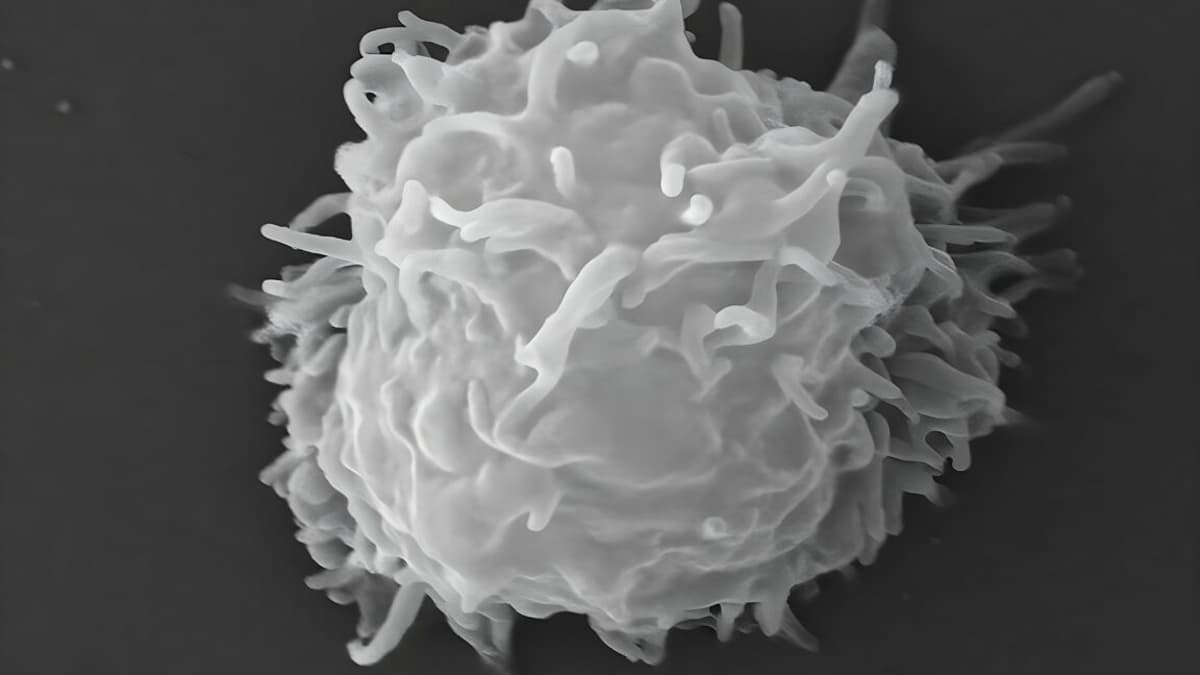
Man Dies Covered in Necrotic Lesions After Amoebas Eat Him Alive
Why It Matters
The case underscores that Acanthamoeba can cause lethal systemic infection in older adults without obvious immune deficits, prompting clinicians to consider amoebic etiologies earlier and reassess water‑based hygiene practices.
Key Takeaways
- •Acanthamoeba can cause fatal systemic infection even in healthy seniors
- •Nasal rinsing with tap water is a known exposure route
- •Dupilumab may increase susceptibility to rare parasitic infections
- •CDC recommends a five‑drug regimen for disseminated Acanthamoeba
- •Experimental nitroxoline showed temporary improvement but caused kidney toxicity
Pulse Analysis
Acanthamoeba, a ubiquitous free‑living amoeba found in over half of U.S. tap‑water samples, is traditionally associated with eye infections and rare brain disease in immunocompromised patients. This fatal case challenges that paradigm, showing that elderly individuals with modest immune decline can develop fulminant, disseminated disease when the organism gains entry through everyday practices such as nasal rinsing. The pathogen’s ability to invade skin, blood vessels, and internal organs makes early recognition critical, yet its rarity often leads to misdiagnosis and delayed treatment.
Clinicians faced a diagnostic maze: initial biopsies ruled out bacteria and fungi, prompting immunosuppressive therapy that inadvertently worsened the infection. Once Acanthamoeba was identified via DNA testing, Yale physicians initiated the CDC‑recommended five‑drug cocktail, a regimen that carries significant toxicity. An experimental course of nitroxoline, an antibiotic previously successful against a related amoeba, produced a fleeting fever break and halted new lesions, but rapidly impaired renal function, forcing discontinuation. The episode illustrates the narrow therapeutic window for amoebic infections and the urgent need for safer, targeted antivirulence agents.
From a public‑health perspective, the case raises alarms about common hygiene habits. Nasal irrigation with non‑sterile tap water can introduce pathogens directly to vulnerable mucosa, especially in older adults whose immune surveillance wanes. Additionally, the patient’s use of dupilumab—a monoclonal antibody that modulates T2 inflammation—may have subtly compromised his defense against parasites, a hypothesis that warrants systematic study. Healthcare providers should counsel patients on boiling or filtering water for sinus rinses and remain vigilant for atypical skin lesions that could signal amoebic invasion, while researchers explore less toxic treatment pathways and assess biologic‑drug interactions with rare infections.
Man dies covered in necrotic lesions after amoebas eat him alive
Comments
Want to join the conversation?
Loading comments...