Many Older Adults with Lung Cancer Do Not Receive Systemic Therapy
Why It Matters
The gap reveals a systemic failure to translate life‑extending therapies into real‑world use, limiting survival for a vulnerable, high‑mortality population and highlighting urgent needs in referral pathways and clinician education.
Key Takeaways
- •Only 46.8% of older metastatic NSCLC patients received systemic therapy.
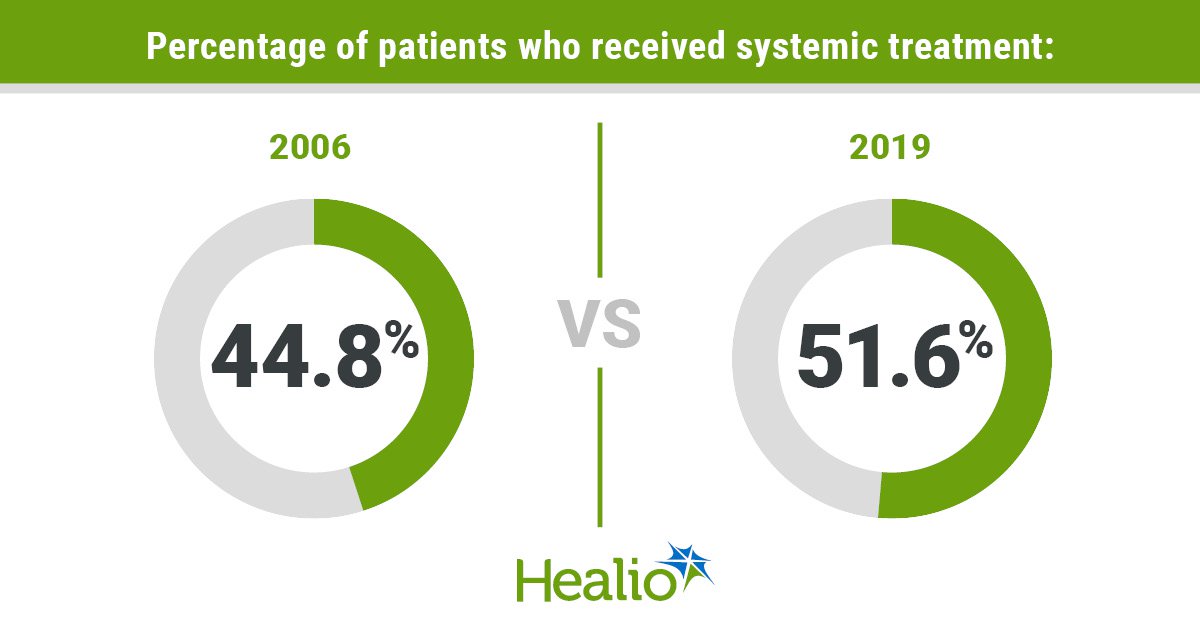
- •Treatment rates rose modestly to 51.6% by 2019, then fell.
- •Early oncologist referral doubled likelihood of receiving treatment.
- •Biomarker testing increased treatment odds by 78%.
- •Untreated patients had 1‑year survival under 8%, versus 45% treated.
Pulse Analysis
The study underscores a persistent disconnect between clinical breakthroughs and population‑level care for older adults with metastatic lung cancer. While immunotherapy and targeted agents have reshaped survival curves in clinical trials, the SEER‑Medicare data show that less than half of eligible seniors actually receive these options. This shortfall is especially stark given that the median age of the cohort was 73, an age group traditionally viewed as less tolerant of aggressive therapy, yet newer agents are markedly less toxic than historic chemotherapy regimens.
Several systemic factors drive the under‑utilization. Referral patterns emerge as a critical bottleneck: patients who saw a medical oncologist were 2.5 times more likely to receive treatment, suggesting that primary‑care and pulmonology providers may lack awareness of evolving therapeutic landscapes or may underestimate patient fitness. Biomarker testing, essential for matching patients to targeted drugs, was performed in only a fraction of cases, further limiting access. Additionally, patient‑level nihilism—rooted in stigma around smoking‑related disease—and clinician bias can discourage aggressive management, while the COVID‑19 pandemic introduced logistical hurdles that temporarily reversed modest gains in treatment uptake.
Addressing these gaps requires coordinated interventions. Expanding lung‑cancer screening and ensuring rapid diagnostic work‑ups can catch disease earlier, increasing the pool of patients eligible for systemic therapy. Targeted education for primary‑care physicians and pulmonologists about the safety and efficacy of modern regimens, coupled with streamlined pathways for biomarker testing, can boost referral rates. Health systems should embed decision‑support tools that flag eligible patients and facilitate timely oncologist consultations. By closing the referral and testing loop, the healthcare community can translate therapeutic advances into tangible survival gains for older adults facing metastatic lung cancer.
Many older adults with lung cancer do not receive systemic therapy
Comments
Want to join the conversation?
Loading comments...