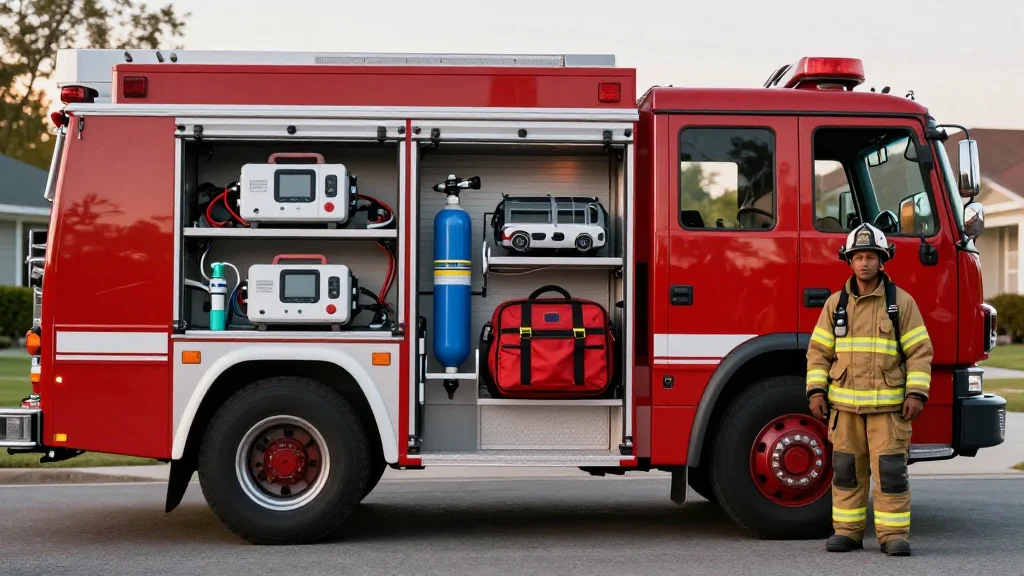
Mass. Fire Apparatus Receives EMS Equipment Upgrades
Why It Matters
Equipping fire engines with medical tools expands first‑responder capabilities, potentially reducing mortality before patients reach hospitals. The initiative showcases a replicable model for municipalities seeking to enhance emergency care without building new ambulance fleets.
Key Takeaways
- •Six fire engines, two aerial trucks, two reserves now EMS‑certified
- •CPAP, albuterol, epinephrine, and glucose added to onboard kits
- •Training delivered by Baystate Medical Center and state EMT academy
- •City Council funding and union‑mayor partnership secured certification
Pulse Analysis
Across the United States, fire departments are increasingly blurring the line between fire suppression and emergency medical services. The rise of integrated response units reflects a broader shift toward rapid, on‑scene treatment for cardiac arrest, severe asthma attacks, and allergic reactions. By equipping fire apparatus with medical devices such as CPAP machines and medication kits, municipalities can address life‑threatening conditions within the critical golden minutes, improving survival odds and easing pressure on overloaded ambulance services.
In Chicopee, Massachusetts, the fire department’s six engines, two aerial trucks and two reserve units have been retrofitted with a suite of EMS tools after achieving Emergency First Response certification. The equipment includes portable CPAP for respiratory distress, albuterol inhalers, epinephrine auto‑injectors, antihistamines, analgesics, glucose gel and manual suction devices for CPR. Training was conducted in partnership with Baystate Medical Center and the state EMT Academy, ensuring firefighters meet the Massachusetts Department of Public Health’s licensing standards. This collaborative approach not only upgrades skill sets but also creates a seamless interface between fire and medical responders.
The funding model—city council approval combined with union and mayoral cooperation—offers a template for other jurisdictions. By leveraging existing fire assets rather than procuring separate ambulance fleets, cities can achieve cost‑effective enhancements to public safety. As more communities adopt similar EMS‑fire integration, the expectation is a measurable decline in pre‑hospital mortality and a more resilient emergency response network nationwide.
Mass. fire apparatus receives EMS equipment upgrades
Comments
Want to join the conversation?
Loading comments...