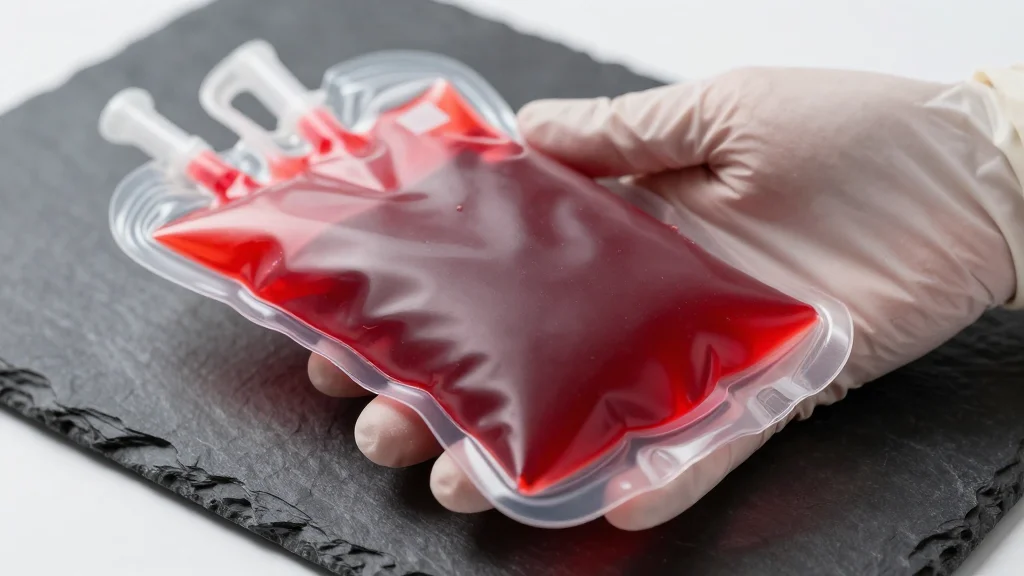
Md. County Reverses Course, Approves Whole Blood Program for Trauma Patients
Why It Matters
By placing whole blood directly on ambulances, Somerset County can dramatically shorten the time to life‑saving transfusions, improving survival rates in remote trauma incidents. The move signals a broader shift toward equipping rural EMS with advanced medical capabilities, potentially reshaping emergency care standards nationwide.
Key Takeaways
- •Somerset County approved $58k annual grant for whole blood program
- •Whole blood will be carried on rural ambulances, not just helicopters
- •Program aims to reduce preventable trauma deaths from hemorrhage
- •Reversal follows earlier cost concerns from firefighters and commissioners
- •Rural EMS can deliver blood faster than distant trauma centers
Pulse Analysis
The adoption of whole‑blood transfusion in pre‑hospital settings traces its roots to battlefield medicine, where rapid blood replacement proved vital for soldiers in shock. Civilian emergency services have since recognized that unseparated blood, unlike component therapy, can be administered quickly without the need for complex lab processing. This simplicity makes it especially suited for rural EMS units that often operate far from definitive care facilities, offering a practical solution to the leading cause of preventable trauma deaths—exsanguination.
Somerset County’s decision reflects both a financial commitment and a strategic health priority. The Maryland Institute for Emergency Medical Services Systems will provide $58,338 annually for five years, covering equipment, training, and storage for whole blood on ambulances. Local EMS leaders report immediate demand, citing two recent cases where patients qualified for whole‑blood transfusion. By integrating blood supplies into the ambulance fleet, the county aims to bridge the critical gap between injury scene and trauma center, a distance that can span dozens of minutes in the county’s sparsely populated regions.
The program’s rollout could serve as a template for other rural jurisdictions grappling with similar logistical challenges. As more states allocate grant funding for whole‑blood capabilities, EMS agencies must address operational hurdles such as cold‑chain management, donor recruitment, and regulatory compliance. Successful implementation in Somerset may encourage broader adoption, prompting a reevaluation of emergency medical protocols nationwide and potentially saving countless lives in remote communities.
Md. county reverses course, approves whole blood program for trauma patients
Comments
Want to join the conversation?
Loading comments...