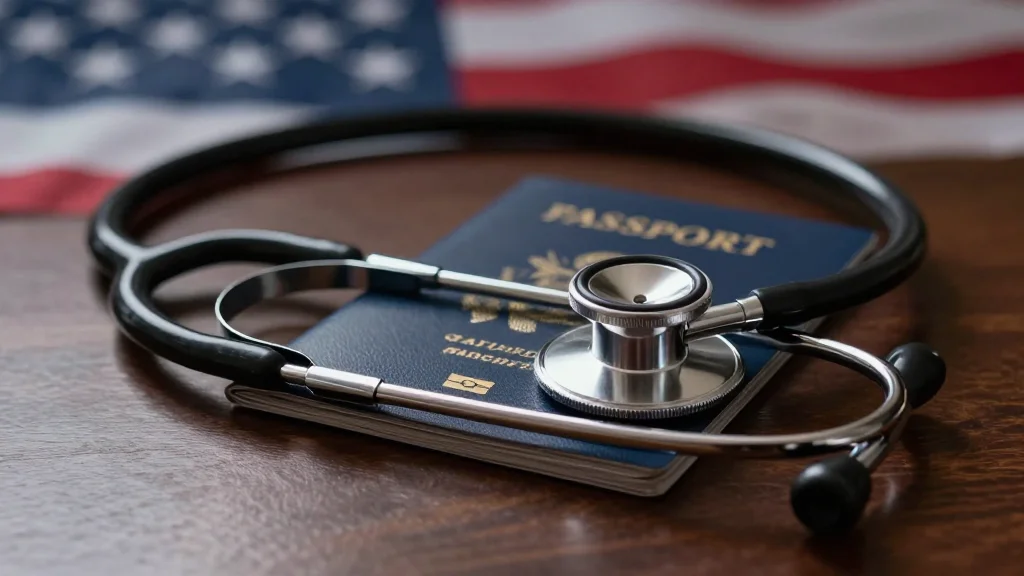
Medical Groups Press DHS To Prioritize Doctors In Immigration Processing
Why It Matters
Accelerating immigration for physicians could mitigate staffing gaps in hospitals and clinics, directly impacting patient care quality and access. The move also signals broader policy attention to safeguarding essential talent amid tightening immigration enforcement.
Key Takeaways
- •Medical groups lobby DHS for physician immigration priority
- •Proposal seeks new national interest visa category for doctors
- •Two Venezuelan physicians detained in Texas highlight system gaps
- •Faster processing may ease U.S. healthcare workforce shortages
- •Success could inspire similar fast‑track pathways for other critical fields
Pulse Analysis
The United States faces a chronic shortage of physicians, with the Association of American Medical Colleges projecting a deficit of up to 124,000 doctors by 2034. Immigration has long been a vital pipeline for filling residency slots and rural practice needs. However, recent enforcement actions—most notably the detention of two Venezuelan physicians in Texas—have exposed how standard visa processing can abruptly remove clinicians from the system. Delays in green‑card or work‑visa approvals not only stall careers but also strain hospitals already operating at capacity.
In response, major medical societies—including the American Medical Association and specialty groups—have petitioned the Department of Homeland Security to establish a dedicated national‑interest immigration category for physicians and trainees. The proposal would create a fast‑track mechanism, similar to the existing National Interest Waiver, but explicitly prioritized for health‑care providers whose work is deemed essential to public welfare. By insulating doctors from routine administrative holds, the category aims to guarantee continuous staffing for critical services, expedite credentialing, and reduce the financial and operational costs associated with sudden workforce gaps.
If adopted, the policy could set a precedent for other high‑need sectors such as cybersecurity and engineering, prompting a broader reevaluation of how immigration law aligns with national economic priorities. Critics warn that preferential treatment may raise equity concerns and require robust oversight to prevent abuse. Nonetheless, legislators and hospital executives are watching closely, as faster physician entry could improve patient outcomes, lower burnout, and bolster the United States’ competitive edge in medical innovation. The outcome will likely influence future debates on talent‑based immigration reform.
Medical Groups Press DHS To Prioritize Doctors In Immigration Processing
Comments
Want to join the conversation?
Loading comments...