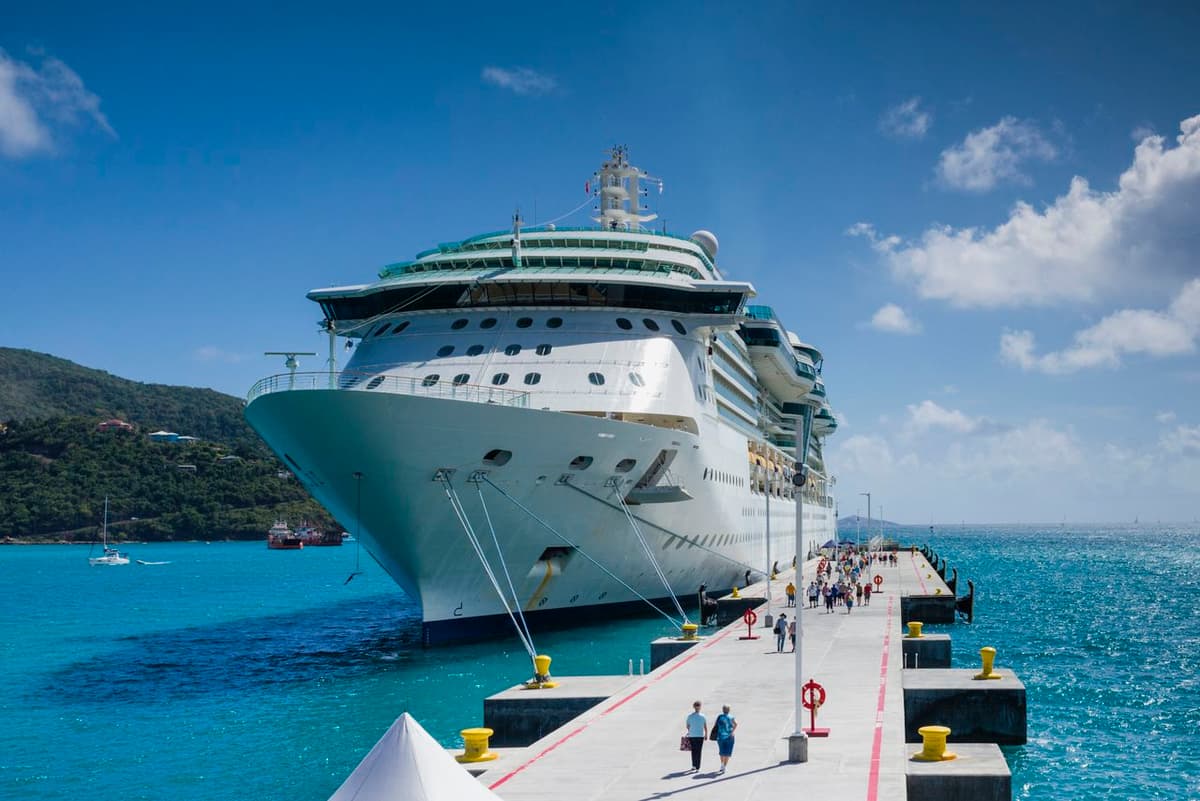
Medicare and Cruises: The 6-Hour Rule
Why It Matters
Without adequate coverage, retirees face potentially catastrophic medical bills that can erode retirement savings and deter them from traveling abroad.
Key Takeaways
- •Six‑hour rule cuts Medicare coverage beyond six hours from U.S. ports
- •Original Medicare and most Advantage plans deny overseas emergency care
- •Medigap D, G, M, N cover 80% of emergencies up to $50k
- •Some Medicare Advantage plans include worldwide emergency benefits and assistance lines
- •Cruise medical evacuation can exceed $100k, far beyond typical Medigap limits
Pulse Analysis
The six‑hour rule stems from Medicare’s statutory focus on services rendered within the United States or its territorial waters. Once a vessel drifts beyond a six‑hour sailing radius, the program treats the location as foreign, and the statutory mandate to pay for medically necessary care ceases. This legal boundary was designed to limit federal liability, but it creates a coverage gap for the growing senior demographic that increasingly chooses cruise vacations as a low‑impact way to travel.
For seniors, the financial stakes are stark. A norovirus outbreak can force dozens of passengers into shipboard infirmaries, yet Medicare will not reimburse those visits once the ship is past the six‑hour line, leaving each passenger to shoulder the full cost. More severe illnesses, such as hantavirus or a cardiac event, often trigger emergency medical evacuation. Air‑ambulance flights from the Caribbean to Florida routinely run $20,000 to $200,000, and a stretcher‑flight with a medical escort can add another $25,000‑$30,000. While Medigap plans D, G, M and N reimburse 80% of such expenses up to a $50,000 lifetime cap, many seniors still face a sizable bill that can quickly deplete retirement assets.
Navigating this terrain requires proactive planning. Beneficiaries should audit their Medigap or Medicare Advantage policies for travel clauses, confirm whether a provider’s network includes overseas emergency services, and consider standalone travel‑insurance policies that cover evacuation, quarantine care, and prescription drugs abroad. The market now offers plans tailored to cruise travelers, featuring 24‑hour assistance hotlines and higher evacuation limits. As cruise lines expand itineraries deeper into the Caribbean and beyond, the pressure on policymakers and insurers to broaden Medicare’s overseas reach is likely to increase, making coverage literacy an essential skill for any senior traveler.
Medicare and Cruises: The 6-Hour Rule
Comments
Want to join the conversation?
Loading comments...